
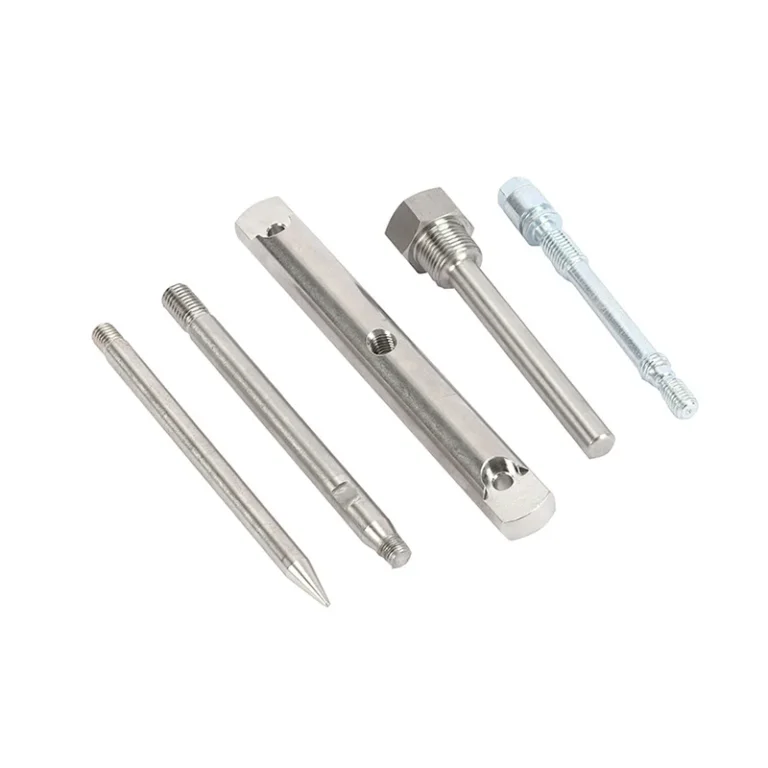
Modern manufacturing depends on accuracy, consistency, and efficient production. Precision cnc machining services help businesses achieve these goals by using computer-controlled equipment to manufacture components according to detailed digital designs. This approach is useful for prototypes, custom components, and repeat production where dimensional control matters.
CNC machining can produce simple parts as well as complex geometries. However, successful machining requires more than advanced equipment. Material selection, tooling, programming, tolerances, inspection, and part design all influence the final result. Newtop Industry Group focuses on practical engineering and manufacturing solutions that support different component requirements.
What Are Precision CNC Machining Services?
Precision CNC machining services involve manufacturing components with computer numerical control machines. Instead of manually guiding cutting tools, programmed instructions control the machine’s movements.
Depending on the component, the process can include milling, turning, drilling, boring, tapping, and other operations.
The digital nature of CNC machining makes the process highly repeatable. Once the machine has been properly programmed and set up, manufacturers can reproduce the same component across multiple production cycles.
This is especially valuable when parts need to fit together consistently during assembly.
How the Process Works
A typical CNC machining workflow includes several stages:
- Reviewing the engineering drawing or CAD model
- Selecting the appropriate material
- Planning machining operations
- Choosing suitable cutting tools
- Creating the CNC program
- Setting up the machine
- Machining the component
- Inspecting finished dimensions
- Applying required surface finishing
Each stage contributes to the quality of the final component.
Why Precision CNC Machining Is Important
Manufactured components often need to meet specific dimensional requirements. Even a small variation can affect how a part fits, moves, or connects with another component.
For example, a shaft must fit correctly inside its corresponding bearing. Similarly, mounting holes need to be positioned accurately so that an assembly can be completed without unnecessary adjustments.
Precision machining helps manufacturers control these critical dimensions.
Furthermore, consistent machining can reduce problems caused by variations between individual components.
Key Advantages
Businesses may choose CNC machining because it offers:
- Consistent component dimensions
- Repeatable production
- Support for complex designs
- Efficient material removal
- Reduced manual intervention
- Flexible production options
- Custom component manufacturing
- Suitable solutions for prototypes and production batches
As a result, precision cnc machining services can support a wide range of engineering and manufacturing requirements.
CNC Machining Processes
Different machining operations are used according to the shape and function of a component.
CNC Milling
CNC milling uses rotating cutting tools to remove material from a workpiece. It can produce pockets, slots, holes, contours, and flat surfaces.
Milling is particularly useful for components with multiple features and irregular shapes.
CNC Turning
CNC turning is commonly used for cylindrical parts. During the process, the workpiece rotates while a cutting tool removes material to achieve the required diameter and profile.
Typical turned components include shafts, pins, bushings, and threaded parts.
CNC Drilling
Drilling creates holes at specified positions. It is often combined with milling or turning operations as part of a larger machining process.
CNC Tapping
Tapping produces internal threads that allow screws, bolts, and other threaded fasteners to be installed.
Multi-Axis CNC Machining
Multi-axis machines provide additional movement during machining. This can help manufacture complex geometries while reducing the need for multiple setups.
The most suitable process depends on the component’s design, material, tolerance requirements, and production volume.
Materials Used in CNC Machining
Material selection plays an important role in manufacturing. The right material should provide the characteristics required by the finished component.
Common CNC machining materials include:
- Aluminum
- Stainless steel
- Carbon steel
- Brass
- Copper
- Titanium
- Engineering plastics
- Specialized metal alloys
Aluminum is often selected when low weight and good machinability are important. Stainless steel may be suitable where corrosion resistance and strength are priorities.
Brass and copper are also useful for certain electrical, mechanical, and fitting applications.
Choosing the Right Material
Engineers should consider:
- Required strength
- Component weight
- Operating temperature
- Corrosion exposure
- Wear conditions
- Machinability
- Surface finish
- Overall project cost
Choosing a material only because it is inexpensive may not provide the best long-term result. Instead, the material should match the actual operating conditions.
Designing Parts for CNC Machining
A strong CNC project begins with a manufacturable design.
Engineers should consider how the machine will access each feature. Deep pockets, narrow channels, very thin walls, and difficult internal geometries can make machining more complicated.
Good design practices can include:
- Using practical wall thicknesses
- Avoiding unnecessarily deep pockets
- Providing suitable corner radii
- Defining critical tolerances clearly
- Considering standard tooling
- Reducing unnecessary features
- Providing accurate CAD files and drawings
Design for Manufacturability
Design for manufacturability means creating a component that can be produced efficiently while still meeting its functional requirements.
For instance, a designer may specify an extremely tight tolerance on every dimension. However, if only two dimensions affect assembly, applying that same tolerance everywhere may increase machining time and cost without improving the product.
Therefore, critical features should receive the most attention.
Newtop Industry Group can consider both engineering requirements and practical manufacturing factors when developing CNC machining solutions.
The Role of CNC Programming
CNC programming converts a digital component design into instructions that the machine can follow.
The program determines factors such as:
- Tool movement
- Cutting paths
- Cutting speeds
- Feed rates
- Tool changes
- Machining sequences
A carefully planned program can help improve production efficiency and reduce unnecessary tool movement.
Furthermore, proper programming can help protect the workpiece and cutting tools from avoidable machining problems.
For complex components, programming and simulation can also help identify potential issues before actual cutting begins.
Quality Control and Inspection
Quality control is an essential part of precision manufacturing.
Even when a machine is correctly programmed, finished components should be inspected against their specifications.
Inspection may involve:
- Dimensional measurements
- Hole diameter checks
- Thread inspection
- Surface evaluation
- Flatness measurements
- Position checks
- Visual inspection
- Material verification
The exact inspection process depends on the component and its application.
Why Inspection Matters
Inspection helps identify deviations before parts move into assembly or final production.
For example, if a critical hole is outside its specified position, discovering the issue during inspection can prevent an incorrectly assembled product.
Consistent inspection also provides useful information for improving manufacturing processes over time.
Applications of Precision CNC Machining
CNC machining is used across many industries because it can support different materials, shapes, and production requirements.
Automotive Manufacturing
Automotive applications may include brackets, shafts, housings, fittings, mounts, and other mechanical components.
Aerospace Manufacturing
Aerospace projects can require carefully controlled dimensions and lightweight materials. CNC machining can support these needs when the appropriate process and material are selected.
Electronics
Electronics manufacturers may use CNC-machined housings, mounting plates, heat sinks, brackets, and other custom components.
Industrial Machinery
Industrial equipment often contains many individual components that must work together accurately. CNC machining can produce custom mechanical parts according to specific equipment requirements.
Product Development
CNC machining is also valuable for creating prototypes. Engineers can test physical parts before moving into larger-scale production.
Because every application has different requirements, machining specifications should be developed around the actual function of the component.
Prototyping With CNC Machining
A prototype gives designers an opportunity to evaluate a physical component before committing to a larger production run.
CNC machining can produce functional prototypes using many of the same materials and processes used for production parts.
A prototype can help teams evaluate:
- Physical fit
- Assembly
- Dimensions
- Function
- Surface appearance
- Potential design problems
After testing, the design can be adjusted and machined again.
This approach can reduce the risk of moving an untested design directly into full-scale manufacturing.
Surface Finishing Options
Machining determines the shape and dimensions of a component, but some projects require additional finishing.
Depending on the material and application, options may include:
- Anodizing
- Polishing
- Brushing
- Bead blasting
- Powder coating
- Protective coatings
Surface finishing can improve appearance, corrosion resistance, wear characteristics, or other properties.
The required finish should be specified before manufacturing so that it can be incorporated into the production plan.
Factors That Affect Machining Cost
Several factors influence the cost of a CNC machining project.
These may include:
- Material type
- Part complexity
- Component size
- Machining time
- Required tolerances
- Production quantity
- Tooling requirements
- Surface finishing
- Inspection requirements
Highly complex components generally require more machining time and may need specialized tooling.
On the other hand, a well-designed part using practical tolerances and efficient machining paths can often be produced more efficiently.
Balancing Quality and Cost
Cost reduction should not mean removing important quality requirements.
Instead, manufacturers can look for practical ways to simplify production without affecting the component’s function.
For example, reducing unnecessary tight tolerances or simplifying non-critical features may improve manufacturing efficiency while maintaining the required performance.
Choosing a CNC Machining Partner
Selecting a machining supplier requires careful consideration.
A suitable partner should understand technical drawings, material requirements, machining processes, inspection procedures, and production expectations.
Before starting a project, businesses can discuss:
- CAD files and engineering drawings
- Material specifications
- Required tolerances
- Surface finishing
- Production quantity
- Inspection requirements
- Delivery expectations
Questions to Ask
Useful questions include:
- What materials can you machine?
- Which CNC processes are available?
- What tolerance requirements can you support?
- How are finished parts inspected?
- Can you manufacture prototypes?
- Can you handle repeat production?
- What finishing options are available?
- How do you manage quality during production?
Clear communication at the beginning can help prevent costly misunderstandings later.
Why Engineering Experience Matters
Precision machining involves more than operating a CNC machine. It requires an understanding of materials, tooling, programming, workholding, design, and inspection.
Experienced manufacturing teams can identify potential challenges before production begins.
For example, they may notice that a particular feature requires specialized tooling or that a tolerance could be adjusted without affecting the component’s function.
Newtop Industry Group approaches manufacturing projects with attention to these practical details, helping businesses develop solutions around their specific component requirements.
The Future of Precision CNC Manufacturing
CNC machining continues to evolve as manufacturing technology becomes more connected and automated.
Digital design tools, advanced CNC equipment, automated inspection, and improved production software are helping manufacturers create more controlled workflows.
At the same time, industries continue to require custom components with reliable dimensions and repeatable performance.
This combination makes precision cnc machining services an important part of modern manufacturing, especially for businesses producing specialized components or developing new products.
Conclusion
Precision CNC machining provides a practical way to manufacture accurate, repeatable, and customized components. The process can support prototypes, small production runs, and larger manufacturing projects across many industries.
However, reliable results depend on several factors. Good part design, appropriate material selection, sensible tolerances, suitable machining processes, effective programming, and careful inspection all contribute to the finished component. For businesses seeking dependable precision cnc machining services, choosing an experienced manufacturing partner can make the development and production process easier to manage. Newtop Industry Group can support projects by considering both technical requirements and practical manufacturing needs.