
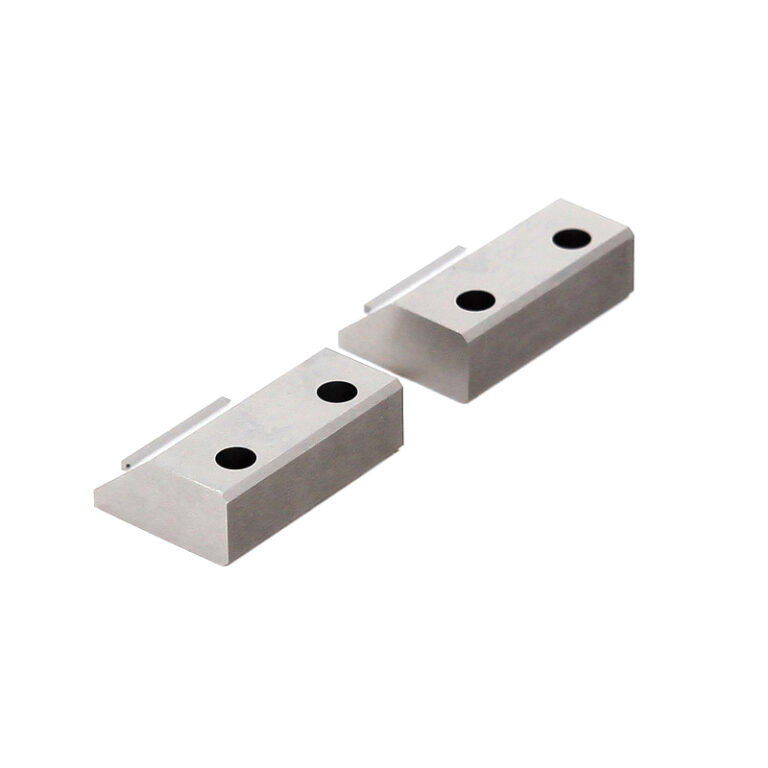
Modern machines depend on components that fit accurately and perform consistently. From small mechanical fittings to large industrial components, cnc machining parts are used in many products and systems where dimensional accuracy matters.
CNC technology allows manufacturers to create components from digital designs using computer-controlled machining equipment. This approach supports repeatable production, complex geometries, and detailed engineering requirements.
For businesses looking for dependable manufacturing support, Newtop Industry Group understands that every component has its own purpose, material requirements, tolerances, and production challenges. Choosing the right machining process can therefore make a significant difference in the quality and performance of the finished part.
What Are CNC Machining Parts?
CNC machining parts are components produced using computer-controlled machining processes. CNC stands for Computer Numerical Control, which means programmed instructions guide the machine’s movements during production.
Depending on the design, a CNC machine can perform operations such as:
- Milling
- Turning
- Drilling
- Boring
- Threading
- Cutting
- Grooving
- Contouring
The process begins with a digital design or engineering drawing. The design is then converted into instructions that control the machine.
As a result, manufacturers can produce parts with consistent dimensions and repeat the same process when multiple components are required.
Why CNC Machined Parts Matter
A machine is only as reliable as the components inside it.
Even a small dimensional error can create problems when one component needs to connect with another. For example, a shaft that does not match its bearing correctly may cause excessive movement, friction, or premature wear.
Quality CNC components can help support:
- Accurate assembly
- Consistent performance
- Reliable movement
- Better product durability
- Repeatable production
- Reduced rework
Therefore, choosing a suitable manufacturing process is an important part of product development.
How CNC Machining Parts Are Made
Design and Engineering
Every project begins with a design.
Engineers define dimensions, tolerances, material specifications, surface requirements, and other critical details. A clear drawing gives the manufacturing team the information needed to produce the component correctly.
Programming
The design is converted into CNC machine instructions.
The program controls tool movement, cutting paths, speeds, depths, and other machining operations. Before production begins, the machining strategy may be reviewed to identify potential issues.
Material Preparation
The selected raw material is prepared for machining.
Common materials include aluminum, stainless steel, carbon steel, brass, and engineering plastics. Material selection should reflect both the machining process and the final application.
Machining
The CNC machine performs the required operations.
Depending on the component, this may involve several stages. A single part could require milling for pockets, drilling for mounting holes, and threading for fasteners.
Inspection
After machining, the finished component is checked against its specifications.
Critical dimensions should be measured to confirm that the part meets the required tolerances.
Materials Used for CNC Machined Components
Different applications require different materials. Selecting the right one can affect strength, weight, corrosion resistance, machining time, and overall cost.
Aluminum
Aluminum is lightweight and generally easy to machine. It can be useful for applications where weight reduction and corrosion resistance are important.
Stainless Steel
Stainless steel offers good strength and corrosion resistance. It is often considered for components that operate in demanding environments.
Carbon Steel
Carbon steel can provide strength and durability. Different grades offer different mechanical properties, allowing engineers to select an appropriate option for the application.
Brass
Brass is known for its good machinability. It can be suitable for fittings, mechanical components, and other specialized applications.
Engineering Plastics
Some engineering plastics can be machined when a component needs low weight, electrical insulation, chemical resistance, or other specific properties.
The best material should always be selected according to the component’s actual operating conditions rather than price alone.
Common Types of CNC Machining Parts
CNC machining can produce a wide range of components.
Shafts
Shafts are commonly used to transfer rotational motion. Their dimensions and surface characteristics can be important for proper alignment and operation.
Brackets
Brackets connect or support other components. CNC machining can produce custom hole patterns and shapes based on specific assembly requirements.
Bushings
Bushings can help reduce friction between moving components. Accurate dimensions are important for proper fit and performance.
Housings
Machine housings protect or support internal components. They may require precise holes, mounting surfaces, pockets, and other features.
Fittings
CNC machining can produce specialized fittings for mechanical systems where standard components may not meet the required specifications.
These are only a few examples. The flexibility of CNC equipment allows manufacturers to create many custom components based on engineering requirements.
Benefits of CNC Machining Parts
Consistent Quality
One of the main benefits of CNC production is repeatability.
Once a machining process has been properly developed, the same instructions can be used to produce multiple components with consistent features.
This is particularly useful when a manufacturer needs large quantities of identical parts.
Complex Geometries
Modern CNC machines can produce detailed shapes that may be difficult to achieve using manual machining methods.
Features such as pockets, curved surfaces, slots, holes, and threads can be incorporated into a single component.
Production Efficiency
Computer-controlled equipment can reduce repetitive manual work and make production more predictable.
Consequently, manufacturers can often improve workflow efficiency while maintaining the required specifications.
Prototyping Support
CNC machining is also useful for creating prototypes.
A physical prototype allows engineers to test a design before committing to larger production quantities. This can help identify issues with fit, assembly, strength, or functionality.
Applications of CNC Machining Parts
The versatility of CNC machining makes it useful across many industries.
Common applications include:
- Automotive components
- Industrial machinery
- Engineering equipment
- Electronics
- Manufacturing systems
- Custom tools
- Mechanical assemblies
- Product prototypes
- Replacement components
For example, an equipment manufacturer may need a custom mounting plate with several accurately positioned holes. A CNC process can produce the plate according to the approved engineering drawing.
In another case, a product developer may need a small batch of prototype housings. CNC machining can provide physical samples for testing and design validation.
How to Choose the Right CNC Machining Supplier
Finding the right supplier is about more than comparing prices.
Check Technical Capability
Make sure the supplier can work with the required material, dimensions, tolerances, and component geometry.
Review Quality Processes
Ask how parts are inspected and how critical dimensions are verified.
Consider Production Volume
Your requirements may range from one prototype to thousands of production components. Choose a supplier that can support your expected volume.
Evaluate Communication
Clear communication reduces the chance of errors.
A good supplier should be willing to discuss drawings, tolerances, materials, finishing, and production requirements.
Newtop Industry Group focuses on understanding the practical requirements behind each manufacturing project so that the production process can be planned around the component’s intended use.
Tips for Designing Better CNC Parts
Good design can make machining easier and more efficient.
When developing cnc machining parts, consider the following:
- Define critical dimensions clearly.
- Specify important tolerances.
- Select a suitable material.
- Avoid unnecessary features.
- Consider tool access.
- Use practical hole sizes where possible.
- Identify required surface finishes.
- Discuss complex designs with the manufacturer early.
For example, adding a feature that looks useful on a digital model may require an additional setup or specialized tool during machining. Reviewing manufacturability early can help avoid unnecessary production costs.
Quality Control and Inspection
Producing a component is only one part of the process. Confirming that it meets the specification is equally important.
Inspection requirements depend on the component.
Some parts may need basic dimensional checks, while others may require detailed inspection of multiple features.
Quality checks can include:
- Overall dimensions
- Hole diameter
- Hole location
- Thread dimensions
- Flatness
- Surface finish
- Critical tolerances
A clear inspection plan helps manufacturers identify potential problems before parts move into final assembly.
CNC Machining for Custom and Low-Volume Parts
Not every business needs thousands of components.
Some projects require only a few specialized parts. This can happen during equipment repair, product development, machinery upgrades, or prototype testing.
CNC machining can be a practical solution because the process can be adapted to custom designs without requiring a large production run.
For example, if an older machine requires a replacement component that is no longer commercially available, a custom CNC part may help restore the equipment.
Why Precision and Repeatability Go Together
Precision is important, but repeatability matters just as much.
Imagine producing a component today and then producing another batch several months later. If the manufacturing process cannot maintain consistent dimensions, the second batch may not fit the original assembly.
A controlled CNC process helps manufacturers maintain repeatable production.
This becomes increasingly valuable as products move from prototype development into regular manufacturing.
Conclusion
High-quality cnc machining parts play an important role in modern engineering and manufacturing. They can support everything from prototypes and replacement components to complex industrial assemblies and repeated production.
The right result depends on more than the CNC machine itself. Clear designs, appropriate materials, suitable tooling, careful programming, accurate setup, and reliable inspection all contribute to the final component.
When selecting a manufacturing partner, consider technical capability, quality control, communication, production capacity, and long-term reliability rather than focusing only on price. If you need custom components or are planning a new machining project, Newtop Industry Group can help you explore a practical manufacturing approach based on your specifications. Share your drawings, materials, quantities, and requirements to begin the next step toward dependable CNC-produced components.