
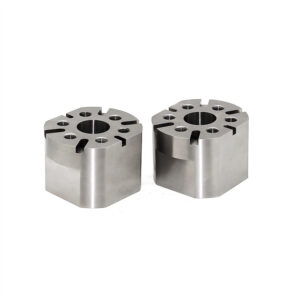
The manufacturing world is undergoing a profound transformation, driven by rapid advances in digital technology, automation, and data-driven decision-making. At the center of this evolution is cnc manufacturing, a discipline that has moved far beyond simple automated cutting to become a cornerstone of modern, high-precision production. Today’s factories are smarter, faster, and more adaptable than ever before, and the innovations shaping this field are redefining how products are designed, produced, and delivered across global markets.
Smarter Machines Through Artificial Intelligence
One of the most significant changes shaping the future of computer-controlled machining is the integration of artificial intelligence (AI). Modern CNC systems are increasingly equipped with machine learning algorithms that analyze production data in real time. These systems can predict tool wear, optimize cutting paths, and automatically adjust machining parameters to maintain consistent quality.
Instead of relying solely on pre-programmed instructions, AI-enabled machines learn from past operations. This results in reduced scrap rates, fewer machine stoppages, and improved overall equipment effectiveness. As AI models become more sophisticated, CNC equipment will continue to shift from reactive operation to proactive, self-optimizing performance.
Digital Twins and Virtual Manufacturing
Digital twin technology is rapidly gaining traction in advanced manufacturing environments. A digital twin is a virtual replica of a physical machine or production process, allowing engineers to simulate operations before any material is cut. By testing machining strategies in a virtual environment, manufacturers can identify inefficiencies, detect potential errors, and fine-tune designs without risking downtime or material waste.
This approach shortens development cycles and improves first-pass success rates. As simulation software becomes more accurate and accessible, virtual manufacturing will become a standard step in production planning, particularly for complex or high-value components.
Automation and Robotics Integration
Automation has long been associated with CNC operations, but the next generation of manufacturing goes further by integrating collaborative robots and intelligent material-handling systems. Robots can now load and unload parts, change tools, and perform secondary operations such as inspection or finishing.
These automated workflows reduce manual intervention, enhance workplace safety, and allow machines to operate continuously with minimal supervision. Small and medium-sized manufacturers, once limited by labor constraints, can now scale production efficiently while maintaining consistent quality standards.
Advanced Materials and Multi-Axis Machining
The demand for lighter, stronger, and more durable components is pushing CNC technology to handle advanced materials such as composites, superalloys, and high-performance polymers. Innovations in cutting tools, spindle design, and cooling systems are enabling machines to process these materials with exceptional precision.
At the same time, multi-axis machining capabilities are becoming more accessible. Five-axis and even multi-tasking machines allow complex geometries to be produced in a single setup, reducing errors and shortening lead times. This flexibility is essential for industries such as aerospace, medical devices, and electric vehicles, where precision and reliability are non-negotiable.
Additive and Subtractive Hybrid Manufacturing
Hybrid manufacturing combines additive processes, such as metal 3D printing, with traditional subtractive machining. This approach allows manufacturers to build near-net-shape components and then finish them to exact tolerances using CNC equipment.
The result is greater design freedom, reduced material waste, and faster production of complex parts. Hybrid systems are particularly valuable for low-volume, high-complexity applications, making them an important part of the future manufacturing landscape.
Data Connectivity and Industry 4.0
Connectivity is a defining feature of modern manufacturing. CNC machines are now part of interconnected networks where data flows seamlessly between equipment, software platforms, and enterprise systems. This Industry 4.0 environment enables real-time monitoring, predictive maintenance, and performance benchmarking across entire production facilities.
By leveraging cloud-based analytics and industrial internet technologies, manufacturers gain deeper insights into machine utilization, energy consumption, and process stability. These insights support smarter decision-making and continuous improvement initiatives.
Sustainability and Energy Efficiency
Environmental responsibility is no longer optional in manufacturing. Innovations in CNC technology are helping companies reduce their environmental footprint while maintaining productivity. Energy-efficient drives, optimized toolpaths, and intelligent power management systems all contribute to lower energy consumption.
Additionally, improved precision reduces material waste, while advanced recycling and coolant management systems minimize environmental impact. Sustainable practices not only support regulatory compliance but also enhance brand reputation and long-term profitability.
Workforce Evolution and Skill Development
As CNC systems become more advanced, the role of the human operator is evolving. Today’s workforce requires a blend of traditional machining knowledge and digital skills, including data analysis, programming, and system integration.
Training programs and user-friendly interfaces are making it easier for operators to adapt to new technologies. Rather than replacing human expertise, innovation is elevating it, allowing skilled professionals to focus on problem-solving, optimization, and quality assurance.
The Road Ahead
The future of cnc manufacturing is defined by intelligence, connectivity, and adaptability. As innovations continue to emerge, manufacturers who embrace these changes will gain a significant competitive advantage. Faster production, higher precision, and more sustainable operations are no longer distant goals—they are becoming standard expectations.
By investing in advanced technologies and developing a skilled, digitally fluent workforce, companies can position themselves at the forefront of modern manufacturing. The industry is not just evolving; it is being reshaped, setting the stage for a new era of precision, efficiency, and innovation.