
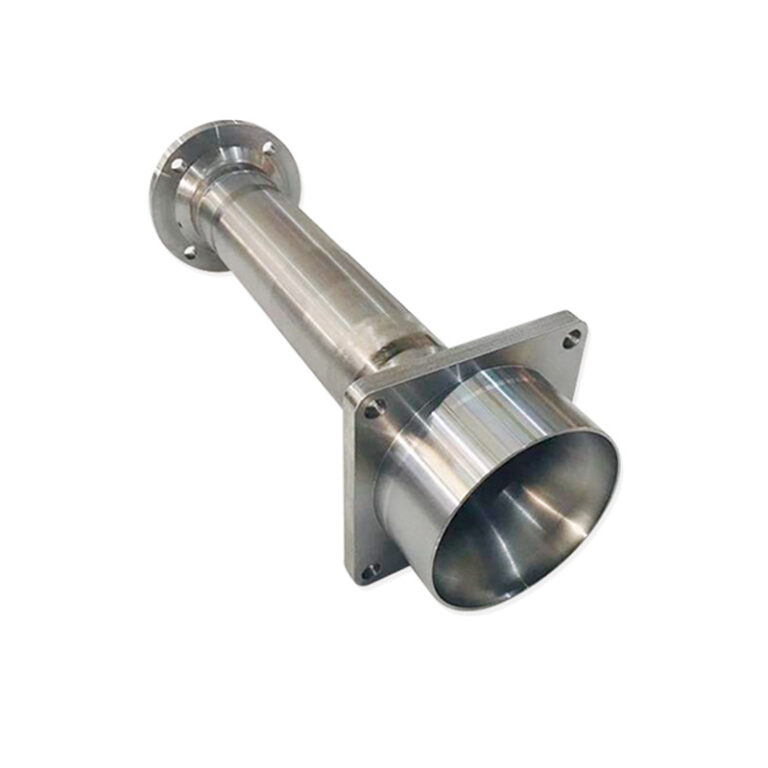
Manufacturing industries depend on precision, efficiency, and consistency to remain competitive. One of the most important production methods that supports these goals is sheet metal processing. From automotive components to industrial machinery and consumer products, sheet metal plays a vital role in creating durable and high-quality parts.
As industries continue to demand tighter tolerances and faster production cycles, advanced fabrication methods have become essential. Newtop Industry Group has established itself as a trusted manufacturing partner by delivering reliable engineering solutions that meet modern production standards. Through innovative technologies and skilled craftsmanship, the company helps businesses achieve superior results in metal fabrication projects.
In this article, we will explore the importance of sheet metal processing, the techniques involved, its benefits, applications, and how manufacturers can choose the right production partner.
Understanding Sheet Metal Processing
What Is Sheet Metal Processing?
Sheet metal processing refers to the transformation of flat metal sheets into finished components, assemblies, or products through various manufacturing techniques. These techniques include cutting, bending, punching, welding, stamping, and surface finishing.
The process enables manufacturers to create complex parts with exceptional accuracy while maintaining cost efficiency. Because of its versatility, sheet metal fabrication is widely used across numerous industries.
Common materials include:
- Stainless steel
- Aluminum
- Carbon steel
- Copper
- Brass
- Galvanized steel
Each material offers unique properties that make it suitable for specific applications.
Why Sheet Metal Processing Matters
Modern manufacturing requires components that meet strict quality standards. Therefore, precision fabrication has become increasingly important.
Some key reasons include:
- High dimensional accuracy
- Faster production times
- Cost-effective manufacturing
- Excellent material utilization
- Strong and durable finished products
- Scalability for large production runs
As a result, businesses can improve productivity while reducing waste and operational costs.
Key Techniques Used in Sheet Metal Processing
Laser Cutting
Laser cutting uses a concentrated beam of light to cut metal sheets with exceptional precision.
Benefits of Laser Cutting
- Smooth edges
- Minimal material waste
- High-speed production
- Ability to create complex designs
Many manufacturers prefer laser cutting because it produces consistent results across large production batches.
CNC Punching
CNC punching creates holes, slots, and custom shapes using computer-controlled machinery.
Advantages
- High repeatability
- Fast processing speed
- Reduced labor requirements
- Excellent accuracy
Consequently, CNC punching is ideal for projects requiring multiple identical components.
Bending and Forming
After cutting operations, metal sheets often need shaping into specific forms.
Bending equipment applies controlled force to create:
- Angles
- Channels
- Brackets
- Enclosures
- Structural components
This stage is critical because it determines the final geometry of the product.
Welding and Assembly
Welding joins separate metal parts into a complete structure.
Popular welding methods include:
- TIG welding
- MIG welding
- Spot welding
- Arc welding
When performed correctly, welding ensures structural integrity and long-term durability.
Surface Finishing
Surface finishing enhances appearance and performance.
Common finishing options include:
- Powder coating
- Polishing
- Sandblasting
- Anodizing
- Electroplating
In addition to improving aesthetics, these treatments provide corrosion resistance and extended product life.
Benefits of Sheet Metal Processing for Businesses
Improved Product Quality
Advanced manufacturing equipment ensures consistent production quality. As a result, every component meets exact specifications and industry requirements.
This level of precision reduces defects and improves customer satisfaction.
Cost Efficiency
Efficient fabrication methods help reduce production costs through:
- Lower material waste
- Faster cycle times
- Reduced manual labor
- Increased automation
Therefore, businesses can achieve better profit margins while maintaining quality.
Design Flexibility
One major advantage of sheet metal processing is its ability to accommodate complex designs.
Engineers can produce:
- Custom enclosures
- Precision brackets
- Industrial cabinets
- Structural supports
- Decorative metal components
This flexibility allows manufacturers to respond quickly to changing market demands.
High Production Capacity
Modern fabrication facilities can handle both prototype development and mass production.
Because automated systems streamline operations, manufacturers can scale production without compromising quality.
Enhanced Durability
Properly processed sheet metal components offer excellent strength and longevity.
This makes them suitable for demanding environments such as:
- Construction sites
- Industrial facilities
- Transportation systems
- Energy infrastructure
Industries That Depend on Sheet Metal Processing
Automotive Industry
Vehicle manufacturers use sheet metal processing to create:
- Body panels
- Chassis components
- Engine parts
- Interior structures
Precision fabrication ensures safety, performance, and reliability.
Aerospace Sector
Aircraft components require extremely tight tolerances.
Manufacturers produce:
- Structural assemblies
- Mounting brackets
- Control system components
- Protective housings
Because safety is critical, aerospace fabrication demands exceptional quality control.
Electronics Industry
Electronic products rely on fabricated metal parts for protection and functionality.
Examples include:
- Server cabinets
- Equipment enclosures
- Control panels
- Heat dissipation systems
Accurate fabrication helps maintain product performance and reliability.
Construction Industry
Construction projects frequently require custom metal components.
These include:
- Roofing systems
- Architectural panels
- Support structures
- Ventilation components
As construction designs become more sophisticated, demand for custom fabrication continues to grow.
Medical Equipment Manufacturing
Medical devices often contain precision metal components.
Examples include:
- Equipment frames
- Instrument housings
- Surgical equipment parts
- Diagnostic machine enclosures
High manufacturing standards ensure safety and regulatory compliance.
Factors That Influence Sheet Metal Processing Quality
Material Selection
Choosing the right material is essential.
Factors to consider include:
- Strength requirements
- Corrosion resistance
- Weight limitations
- Environmental conditions
- Budget considerations
The correct material selection improves product performance and longevity.
Manufacturing Technology
Advanced machinery significantly impacts production quality.
Modern facilities often utilize:
- CNC systems
- Laser cutting machines
- Automated bending equipment
- Robotic welding solutions
These technologies improve precision while reducing production errors.
Skilled Engineering Support
Even the most advanced equipment requires experienced professionals.
Engineering teams help with:
- Design optimization
- Material recommendations
- Manufacturing planning
- Quality assurance
This expertise ensures efficient production and better final results.
Quality Control Procedures
Comprehensive inspection processes help maintain consistency.
Typical quality checks include:
- Dimensional inspection
- Surface quality evaluation
- Weld testing
- Material verification
Consequently, customers receive products that meet their exact requirements.
Choosing the Right Manufacturing Partner
Selecting the right fabrication company can greatly impact project success.
Consider the following factors:
Industry Experience
Look for manufacturers with proven expertise in multiple industries.
Production Capabilities
A reliable partner should offer complete fabrication services under one roof.
Quality Standards
Strong quality management systems demonstrate commitment to excellence.
Technical Support
Engineering assistance can improve product design and reduce production costs.
Scalability
The manufacturer should be capable of supporting future growth and increased production volumes.
Newtop Industry Group understands these requirements and provides comprehensive manufacturing solutions designed to meet diverse industry needs.
Future Trends in Sheet Metal Processing
Manufacturing technologies continue to evolve rapidly.
Emerging trends include:
- Smart factory automation
- Artificial intelligence integration
- Advanced robotics
- Digital quality monitoring
- Sustainable manufacturing practices
These innovations improve productivity while helping companies reduce environmental impact.
Furthermore, manufacturers are increasingly adopting data-driven production systems that enable real-time process optimization and predictive maintenance.
As technology advances, sheet metal processing will become even more efficient, accurate, and adaptable to changing market demands.
Conclusion
Sheet metal processing remains one of the most important manufacturing methods in today’s industrial landscape. It provides the precision, durability, flexibility, and efficiency required for producing high-quality components across numerous industries.
From automotive and aerospace applications to electronics and construction projects, modern fabrication techniques continue to drive innovation and operational excellence. Businesses that invest in reliable manufacturing solutions can improve product quality, reduce costs, and accelerate production timelines. Newtop Industry Group is committed to delivering advanced engineering and fabrication solutions that help companies achieve their manufacturing goals. Whether you need prototypes, custom components, or large-scale production support, partnering with an experienced manufacturer can make a significant difference in project success and long-term growth.