
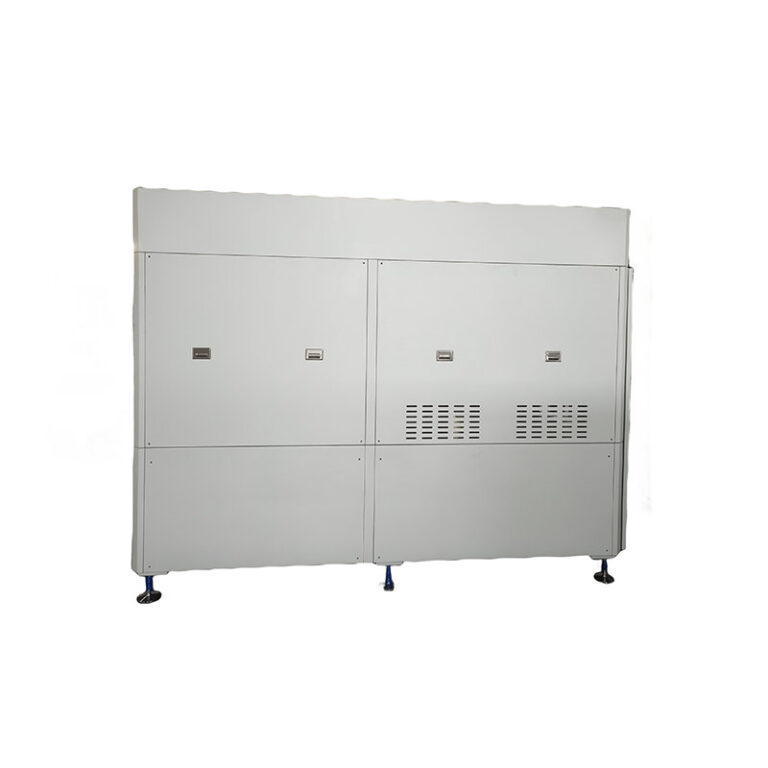
Manufacturing industries depend on accuracy, consistency, and efficiency. As product designs become more advanced, the need for reliable fabrication solutions continues to grow. This is where precision sheet metal fabrication plays a vital role. It helps manufacturers create high-quality metal components with tight tolerances and exceptional consistency.
At Newtop Industry Group, advanced manufacturing technologies and skilled engineering teams work together to deliver customized fabrication solutions for a wide range of industries. From automotive and electronics to construction and industrial equipment, precision fabrication supports products that demand strength, reliability, and accuracy.
In this article, we will explore the importance of precision sheet metal fabrication, its benefits, processes, applications, and how it contributes to modern manufacturing success.
What Is Precision Sheet Metal Fabrication?
Precision sheet metal fabrication is the process of transforming flat metal sheets into finished components through cutting, bending, forming, welding, and assembly. The goal is to produce parts that meet exact specifications while maintaining high quality standards.
Unlike traditional fabrication methods, precision fabrication focuses on tight tolerances and consistent results. Modern equipment such as CNC machines, laser cutters, and automated bending systems allows manufacturers to achieve superior accuracy and repeatability.
As a result, businesses can reduce errors, improve product performance, and increase production efficiency.
Why Precision Matters in Manufacturing
Precision is essential because even a small deviation can affect the functionality of a component. Industries that require complex assemblies often depend on accurate metal parts to ensure seamless integration and reliable performance.
Key reasons why precision is important include:
- Improved product quality
- Better dimensional accuracy
- Reduced material waste
- Enhanced assembly efficiency
- Consistent production results
- Lower manufacturing costs over time
Therefore, companies invest in advanced fabrication techniques to maintain high standards and remain competitive in their industries.
Core Processes Used in Precision Sheet Metal Fabrication
Modern fabrication involves several specialized processes. Each step contributes to the quality and accuracy of the final product.
Laser Cutting
Laser cutting uses focused beams of light to cut metal sheets with exceptional precision. It produces clean edges and intricate designs while minimizing material waste.
Benefits include:
- High accuracy
- Smooth finishes
- Fast production speed
- Reduced post-processing requirements
CNC Punching
CNC punching creates holes, slots, and custom patterns in sheet metal. Computer-controlled systems ensure consistent results throughout production.
Advantages include:
- High repeatability
- Efficient material usage
- Fast production cycles
Precision Bending
Bending transforms flat sheets into complex shapes and structures. Advanced press brakes allow manufacturers to achieve precise angles and dimensions.
This process is crucial for creating components that fit perfectly during assembly.
Welding and Assembly
After fabrication, parts are joined through welding or mechanical fastening methods. Skilled technicians ensure strong, durable connections that meet industry standards.
Surface Finishing
Finishing processes improve both appearance and durability. Common finishing methods include:
- Powder coating
- Anodizing
- Polishing
- Sandblasting
- Electroplating
These treatments help protect components from corrosion and wear.
Benefits of Precision Sheet Metal Fabrication
Manufacturers across multiple sectors rely on precision sheet metal fabrication because it offers numerous advantages.
Superior Accuracy
Advanced equipment ensures components meet exact design requirements. This reduces the risk of defects and improves overall product quality.
Cost Efficiency
Although precision fabrication involves sophisticated machinery, it often lowers long-term costs by reducing waste, minimizing rework, and improving productivity.
Design Flexibility
Engineers can create complex shapes and customized components that meet specific project requirements.
Scalability
Fabrication processes support both small prototype runs and large-scale production volumes. This flexibility helps businesses adapt to changing market demands.
Strong and Durable Components
Sheet metal components provide excellent structural strength while remaining relatively lightweight. As a result, they are suitable for demanding applications.
Materials Commonly Used in Precision Fabrication
Selecting the right material is essential for achieving desired performance characteristics.
Stainless Steel
Stainless steel offers:
- Corrosion resistance
- High strength
- Long service life
It is widely used in medical, food processing, and industrial applications.
Aluminum
Aluminum is known for:
- Lightweight properties
- Excellent corrosion resistance
- Easy machinability
Many aerospace and electronics manufacturers prefer aluminum components.
Carbon Steel
Carbon steel provides durability and affordability, making it a popular choice for industrial equipment and structural applications.
Copper
Copper delivers excellent electrical conductivity and thermal performance, making it ideal for electrical and electronic systems.
At Newtop Industry Group, material selection is carefully matched to each project’s functional and performance requirements.
Industries That Depend on Precision Sheet Metal Fabrication
Many industries rely on precision sheet metal fabrication to produce critical components.
Automotive Industry
Automotive manufacturers use fabricated metal parts for:
- Brackets
- Chassis components
- Enclosures
- Structural supports
Precision ensures safety, reliability, and efficient vehicle performance.
Electronics Industry
Electronic equipment requires highly accurate enclosures and mounting components. Precision fabrication helps protect sensitive electronic systems.
Aerospace Industry
Aircraft components must meet strict quality standards. Fabrication processes support lightweight yet durable structures used in aerospace applications.
Construction Industry
Construction projects utilize fabricated metal components for:
- Structural frameworks
- Architectural features
- Support systems
Medical Equipment Manufacturing
Medical devices demand exceptional precision and reliability. Fabricated metal parts help ensure compliance with industry regulations and performance standards.
How Advanced Technology Improves Fabrication Quality
Technology has transformed the fabrication industry. Modern manufacturing facilities use advanced systems to improve efficiency and consistency.
Key technologies include:
Computer-Aided Design (CAD)
CAD software enables engineers to create highly detailed digital models before production begins.
Computer-Aided Manufacturing (CAM)
CAM systems convert designs into machine instructions, reducing manual errors and improving productivity.
CNC Automation
Computer-controlled machinery delivers consistent results across large production runs.
Quality Inspection Systems
Advanced inspection equipment verifies dimensions and tolerances throughout the manufacturing process.
Newtop Industry Group continuously adopts innovative technologies to maintain high production standards and meet evolving customer expectations.
Factors to Consider When Choosing a Fabrication Partner
Selecting the right fabrication company can significantly impact project success.
Consider the following factors:
Experience and Expertise
Look for a manufacturer with extensive industry knowledge and proven technical capabilities.
Quality Control Standards
Reliable companies implement strict quality assurance procedures throughout production.
Advanced Equipment
Modern machinery contributes to accuracy, efficiency, and consistency.
Material Capabilities
A capable fabrication partner should offer a wide range of material options.
Customization Support
Every project has unique requirements. Choose a provider that can deliver tailored solutions.
Newtop Industry Group focuses on quality, innovation, and customer satisfaction while supporting diverse fabrication needs.
Future Trends in Precision Sheet Metal Fabrication
The fabrication industry continues to evolve as manufacturers seek greater efficiency and sustainability.
Emerging trends include:
- Increased automation
- Smart manufacturing systems
- Artificial intelligence integration
- Improved material utilization
- Sustainable production practices
- Enhanced digital quality control
These innovations will continue to improve production accuracy while reducing operational costs.
As technology advances, precision sheet metal fabrication will become even more critical for manufacturers seeking competitive advantages.
Conclusion
Modern manufacturing demands accuracy, efficiency, and reliability. Precision sheet metal fabrication provides the foundation for producing high-quality metal components that meet strict performance requirements across multiple industries.
From advanced cutting and forming techniques to automated quality control systems, precision fabrication helps businesses improve product quality while reducing waste and production costs. Whether the project involves automotive components, electronic enclosures, aerospace structures, or industrial equipment, precision remains a key factor in achieving success.
Newtop Industry Group is committed to delivering dependable fabrication solutions backed by advanced technology, skilled expertise, and a customer-focused approach. Businesses looking for reliable manufacturing support can benefit from the experience and capabilities that Newtop Industry Group brings to every project.