
Behind every dependable machine is a set of components that fit exactly, hold their shape, and withstand daily stress. These components are Precision Metal Products, and the quality of each one affects the performance of the whole system. This guide from Newtop Engineering, a manufacturer in Wuxi, China, explains what the term covers, how the products are made, and how to choose the right supplier.
What Are Precision Metal Products?
Precision Metal Products are metal components manufactured to tight dimensional requirements. They may be machined from solid stock, formed from sheet, or fabricated from cut and welded steel. What they share is accuracy: they must match the drawing so that they assemble, move, and perform as intended.
How Are They Made?
Three main routes are common, and many products combine them.
CNC machining. Computer-controlled machines remove material to create shafts, housings, and complex shapes. Newtop Engineering describes CNC machining with 5-axis capabilities.
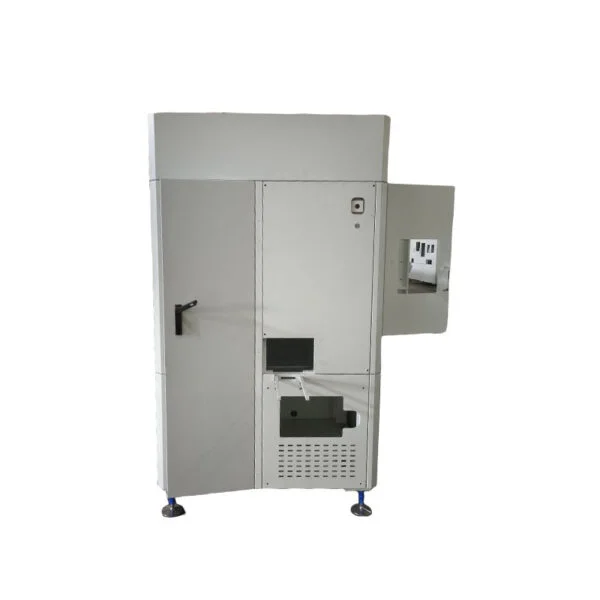
Sheet metal processing. Flat sheets are cut, bent, and assembled into covers, enclosures, and brackets.
Steel fabrication. Steel is cut, bent, welded, and assembled into frames, bases, and structural parts.
Newtop Engineering offers all three, which allows customers to source different component types from one manufacturer.
Typical Examples
Shafts, housings, frames, flat bases, and crossbeam supports are among the products Newtop Engineering lists. Similar items appear in vehicles, electronics, medical equipment, industrial machinery, and construction systems.
Why Precision Is Worth Paying For
Poorly made parts can cause noise, vibration, leaks, early wear, and assembly delays. They can also create safety risks. Precision parts reduce these problems and help finished products perform consistently. For a manufacturer, reliability is often more valuable than a slightly lower unit price.
Choosing Materials
Steel provides strength. Stainless steel offers corrosion resistance. Aluminum adds light weight. Alloy steel can deliver higher strength for demanding applications. Newtop Engineering names steel, aluminum, and stainless steel for machining, and carbon steel, stainless steel, and alloy steel for fabrication. Choose based on load, environment, weight, and budget.
Documentation That Helps
Clear drawings are the foundation of accurate parts. Include dimensions, tolerances on critical features, material, quantity, and finish requirements. Identify features that matter most to function. Detailed documentation reduces misunderstandings and speeds up quoting.
Quality Control
Dependable suppliers measure and inspect their work. Dimensions, surfaces, and assemblies should be reviewed before shipment. Newtop Engineering states that it applies strict quality control and final inspection. Ask your supplier what measurements will be taken and how results will be shared.
Industries Served
Newtop Engineering names automotive, aerospace, electronics, and medical devices for CNC machining, along with machinery and construction for sheet metal, and notes experience supporting textiles, papermaking, photovoltaics, and lithium battery customers. This breadth shows how widely precision metal components are used.
Prototype to Full Production
Many customers begin with samples. After approval, they place small batch orders and then scale to full production. Newtop Engineering supports prototypes, small batch production, and full-scale manufacturing, making it easier to grow a project with one partner.
Evaluating a Supplier
Look at experience, capability, quality processes, and communication. Newtop Engineering has operated since 2010 and describes more than 14 years of experience. Ask for sample parts or examples of similar work, and confirm timelines and packaging in writing.
Mistakes to Avoid
Do not over-tighten tolerances on non-critical features, pick material by price alone, or send incomplete information. Avoid choosing a supplier without confirming that it can handle your specific process and material.
Tolerance, Fit and Function
Precision is not the same as perfection. It means holding the dimensions that matter within defined limits. Identify which features control fit, motion, sealing, or alignment, and give those features tighter tolerances. Leave the rest to general limits. This approach protects performance while keeping Precision Metal Products affordable.
Material and Heat Considerations
Some processes, such as welding, add heat that can distort a part. Others, such as machining, can release stress in the material and cause small shape changes. Experienced manufacturers plan sequences to control these effects, for example by machining critical surfaces after welding. Discuss critical features with your supplier early.
Packaging and Delivery
Precision parts can be damaged by careless packing. Ask about separators, protective wrapping, rust prevention, and sturdy cartons or crates. Good packaging protects both dimensional accuracy and surface condition, especially on long shipments.
Building a Reliable Supply Chain
Choose a supplier that communicates clearly and keeps your drawings and revisions organized. Repeat orders benefit from consistent processes and records. Confirm how revisions are handled, who approves changes, and how you will be notified of delays. A dependable partner makes planning easier and lowers the total cost of ownership.
Questions to Ask Before You Order
Which processes will be used to make my parts? What tolerances can be held on critical features? How are parts measured? What happens if a part falls outside the specification? How will the shipment be packed? Clear, specific answers show that the supplier takes quality seriously and has the experience to support your project.
Think About the Whole Assembly
Individual parts matter, but the assembly matters more. Consider how components connect, how tolerances add up, and how the product will be serviced. Sharing assembly context with your supplier helps them recommend practical improvements that make the final product work better.
Who Needs These Components?
Equipment builders, machinery makers, and product developers all rely on accurate metal parts. If you buy regularly, share your forecast so that the supplier can plan material and capacity. Consistent communication about volume and schedule leads to more reliable lead times and fewer last-minute problems.
Start Your Project
If you need Precision Metal Products for your equipment or product line, contact Newtop Engineering. Email lujacknewtop@sina.com or call +86 13951565790 with your drawings and requirements, and the team can discuss the best manufacturing route.