
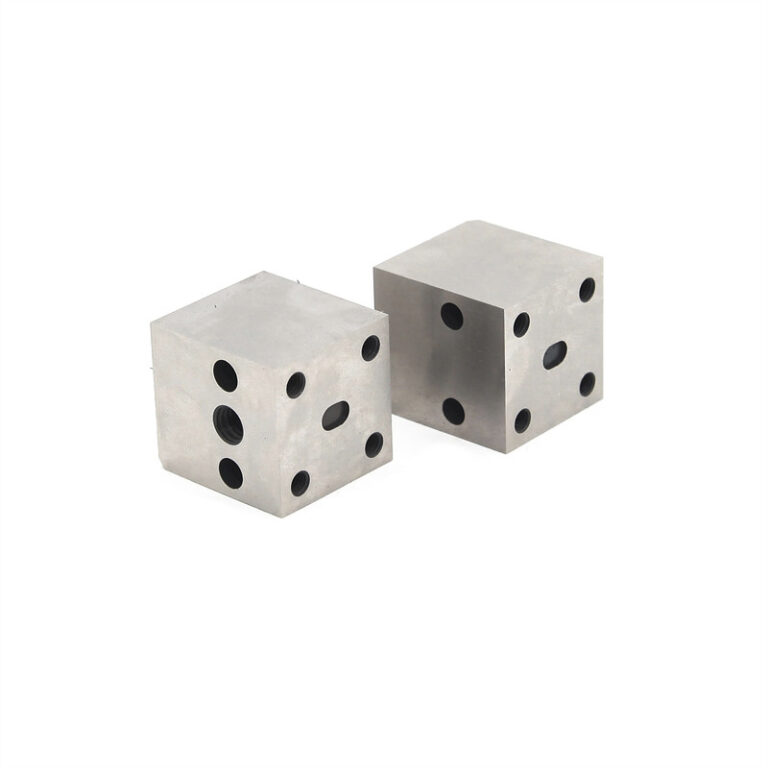
In today’s competitive manufacturing landscape, quality and accuracy play a vital role in product performance. Businesses across industries depend on precision metal products to achieve reliable results, improve efficiency, and maintain high production standards. From automotive components to medical devices, precision-engineered metal parts support countless applications that require exact specifications.
As manufacturing technologies continue to evolve, companies need dependable partners capable of delivering consistent quality. Newtop Industry Group has established itself as a trusted name in advanced manufacturing by providing customized solutions that meet the demands of modern industries. Through innovative processes and strict quality control measures, the company helps businesses obtain durable and accurate metal components.
This article explores the importance of precision manufacturing, key production methods, benefits, applications, and factors to consider when selecting a manufacturing partner.
Why Precision Matters in Metal Manufacturing
Precision manufacturing focuses on producing components with extremely tight tolerances and consistent dimensions. Even a minor deviation can affect performance, safety, and product lifespan.
Manufacturers invest heavily in advanced equipment and quality management systems to ensure that every part meets exact design requirements. As a result, customers receive components that fit perfectly, function reliably, and reduce assembly issues.
Key Reasons Precision Is Important
- Improves product reliability
- Enhances operational efficiency
- Reduces material waste
- Supports complex product designs
- Increases product lifespan
- Minimizes assembly errors
- Helps maintain regulatory compliance
Because of these advantages, precision metal products have become essential across various industrial sectors.
What Are Precision Metal Products?
Precision metal products are engineered components manufactured with highly accurate dimensions, tight tolerances, and superior surface finishes. These products are created using advanced machining, fabrication, stamping, casting, and finishing techniques.
Manufacturers carefully control every stage of production to ensure consistency and quality. Depending on application requirements, products may be made from:
- Stainless steel
- Aluminum
- Carbon steel
- Copper
- Brass
- Titanium
- Specialized alloys
The selection of materials depends on factors such as strength, corrosion resistance, weight, and operating environment.
Manufacturing Processes Used for Precision Components
Modern production facilities use several advanced manufacturing methods to create high-quality metal parts.
CNC Machining
Computer Numerical Control (CNC) machining is one of the most widely used manufacturing methods.
Benefits include:
- Exceptional accuracy
- High repeatability
- Fast production cycles
- Reduced human error
- Complex geometry capabilities
CNC milling, turning, drilling, and grinding allow manufacturers to produce intricate parts with remarkable consistency.
Precision Metal Fabrication
Metal fabrication involves cutting, bending, welding, and assembling metal materials into finished products.
Common fabrication techniques include:
- Laser cutting
- Waterjet cutting
- Sheet metal forming
- Welding
- Punching
- Assembly operations
These methods help create customized components for specific industrial applications.
Metal Stamping
Metal stamping is ideal for high-volume production.
Advantages include:
- Cost efficiency
- Rapid manufacturing
- Consistent quality
- Excellent repeatability
This process is commonly used in automotive, electronics, and appliance manufacturing.
Surface Finishing
Finishing processes improve both appearance and performance.
Popular finishing methods include:
- Powder coating
- Anodizing
- Polishing
- Electroplating
- Sandblasting
Proper finishing enhances corrosion resistance and extends product life.
Industries That Depend on Precision Metal Products
Many industries rely on accurate and durable components to maintain performance standards.
Automotive Industry
Modern vehicles contain thousands of engineered metal components.
Applications include:
- Engine parts
- Transmission components
- Braking systems
- Suspension assemblies
- Structural elements
High precision ensures safety, efficiency, and reliability.
Aerospace Industry
Aircraft manufacturers require components that meet strict quality and safety standards.
Examples include:
- Structural brackets
- Engine components
- Fasteners
- Landing gear parts
In aerospace applications, even the smallest dimensional error can have serious consequences.
Medical Equipment Manufacturing
Medical devices require exceptional precision because they directly affect patient care.
Common applications include:
- Surgical instruments
- Diagnostic equipment
- Implant components
- Laboratory devices
Manufacturers must comply with strict industry regulations and quality requirements.
Electronics Industry
Electronic devices continue to become smaller and more sophisticated.
Precision components support:
- Circuit assemblies
- Connectors
- Heat sinks
- Protective enclosures
Accurate manufacturing ensures proper functionality and reliability.
Industrial Machinery
Heavy machinery depends on durable metal components capable of operating under demanding conditions.
Examples include:
- Gears
- Shafts
- Housings
- Bearings
- Mounting systems
These applications demonstrate the importance of high-quality precision metal products.
Benefits of Choosing Precision Metal Products
Organizations gain significant advantages when investing in precisely manufactured components.
Improved Product Quality
Accurate dimensions ensure better performance and consistent operation. This reduces defects and improves customer satisfaction.
Greater Efficiency
Components fit correctly during assembly, reducing production delays and rework.
Lower Long-Term Costs
Although precision manufacturing may require advanced technology, it often lowers costs by reducing:
- Material waste
- Repairs
- Downtime
- Product failures
Enhanced Durability
High-quality materials and manufacturing processes improve resistance to wear, corrosion, and environmental conditions.
Better Design Flexibility
Modern manufacturing technologies enable the production of complex geometries that would be difficult to achieve using conventional methods.
How Quality Control Supports Precision Manufacturing
Quality control is a critical part of precision manufacturing.
Leading manufacturers implement comprehensive inspection procedures throughout production.
Common Quality Assurance Methods
- First article inspections
- In-process monitoring
- Coordinate Measuring Machine (CMM) inspections
- Material verification
- Surface finish analysis
- Final product testing
These procedures help ensure that every component meets customer specifications.
Newtop Industry Group emphasizes quality throughout the manufacturing process, helping customers receive dependable products that meet demanding industry standards.
Factors to Consider When Choosing a Manufacturing Partner
Selecting the right manufacturer can significantly impact project success.
Technical Expertise
Look for companies with extensive experience in precision engineering and metal manufacturing.
Advanced Equipment
Modern machinery improves accuracy, consistency, and production efficiency.
Quality Certifications
Industry certifications demonstrate a commitment to quality and process control.
Examples include:
- ISO certifications
- Industry-specific compliance standards
- Material traceability systems
Customization Capabilities
Every project has unique requirements. Manufacturers should offer flexible solutions tailored to customer needs.
Reliable Communication
Clear communication helps avoid misunderstandings and ensures projects remain on schedule.
Newtop Industry Group works closely with customers to develop customized manufacturing solutions that align with specific project objectives.
Future Trends in Precision Manufacturing
The manufacturing sector continues to evolve rapidly.
Several trends are shaping the future of precision metal products production.
Automation and Robotics
Automated systems improve consistency and increase production efficiency.
Smart Manufacturing
Data-driven manufacturing allows companies to monitor production in real time and improve quality control.
Advanced Materials
New materials provide better strength, lighter weight, and improved performance.
Sustainable Manufacturing
Manufacturers increasingly focus on reducing waste, improving energy efficiency, and adopting environmentally responsible practices.
Digital Engineering
Digital design tools streamline product development and accelerate production timelines.
Companies that embrace these innovations can deliver better products while maintaining competitive advantages.
Conclusion
The demand for precision metal products continues to grow as industries seek higher performance, greater reliability, and improved manufacturing efficiency. From automotive and aerospace applications to medical devices and industrial equipment, precision-engineered components play a crucial role in modern production.
By combining advanced technology, skilled engineering, and rigorous quality control, manufacturers can produce components that meet the highest standards of accuracy and durability. Newtop Industry Group understands these requirements and remains committed to delivering customized manufacturing solutions that support customer success. Whether you need complex machined components, fabricated assemblies, or large-scale production support, partnering with an experienced manufacturer can help ensure long-term performance and value. Contact Newtop Industry Group to learn more about how precision manufacturing solutions can support your next project.