
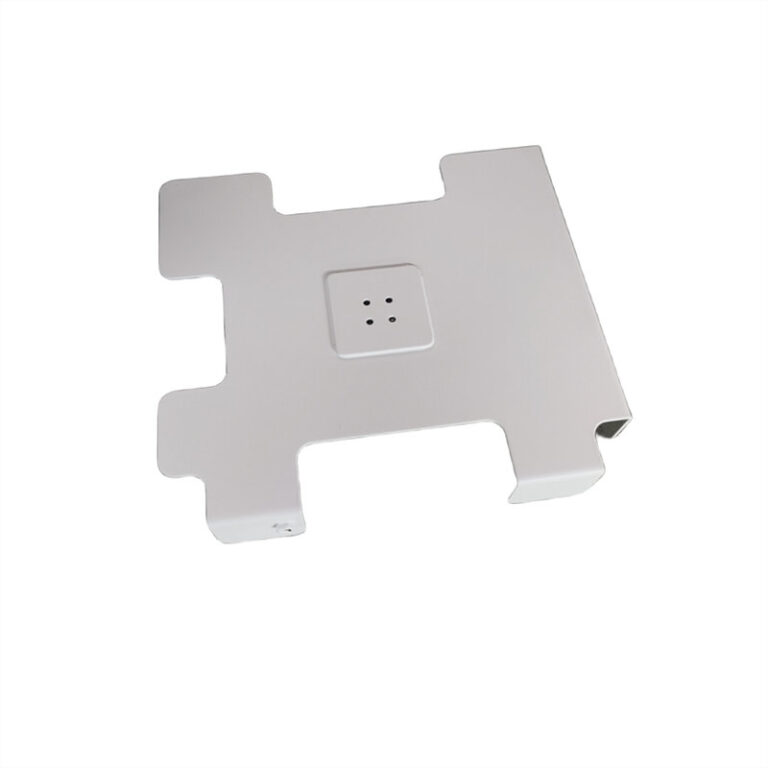
Modern manufacturing depends on accuracy, consistency, and efficiency. Whether producing aerospace parts, automotive components, medical devices, or industrial equipment, manufacturers require processes that deliver exact results every time. This is where precision machining plays a vital role.
Newtop Industry Group understands that businesses need reliable manufacturing solutions capable of meeting tight tolerances and demanding quality standards. By combining advanced technology, experienced engineers, and strict quality control, the company helps customers achieve outstanding production results across multiple industries.
This guide explains how precision machining works, its benefits, common processes, applications, materials, and why selecting the right manufacturing partner matters.
What Is Precision Machining?
Precision machining is an advanced manufacturing process that removes material from a workpiece to create highly accurate parts with tight tolerances. Computer-controlled equipment follows programmed instructions to produce components that match exact design specifications.
Unlike traditional machining methods, modern precision machining minimizes errors while improving consistency and production speed.
Manufacturers rely on this process because it offers:
- Exceptional dimensional accuracy
- Smooth surface finishes
- Repeatable production quality
- Reduced material waste
- Better product reliability
As industries continue demanding more complex components, precision machining has become one of the most valuable manufacturing technologies available today.
Why Precision Matters in Manufacturing
Even a small dimensional error can affect product performance, safety, and durability.
For example:
- Medical instruments require exact dimensions for patient safety.
- Automotive parts must fit perfectly for reliable performance.
- Aerospace components need extremely tight tolerances to meet strict regulations.
- Industrial machinery depends on precise parts to reduce wear and improve efficiency.
Because of these requirements, manufacturers invest in precision machining solutions that consistently produce high-quality components.
Newtop Industry Group follows strict production standards to ensure every component meets customer expectations before shipment.
How the Precision Machining Process Works
Although every project differs, the manufacturing workflow generally follows several important steps.
Design and Engineering
The process begins with detailed CAD drawings and engineering specifications. Designers define dimensions, tolerances, materials, and functional requirements before production starts.
Proper planning reduces manufacturing errors and improves efficiency.
Material Selection
Choosing the correct material is equally important.
Common options include:
- Aluminum
- Stainless steel
- Carbon steel
- Brass
- Copper
- Titanium
- Engineering plastics
Each material offers different strength, weight, corrosion resistance, and machining characteristics.
CNC Programming
Engineers convert CAD designs into machine instructions using CAM software.
These programs control:
- Tool movement
- Cutting speed
- Feed rate
- Tool changes
- Machining sequence
Automation helps maintain consistent quality throughout production.
Machining Operations
Modern CNC equipment performs multiple operations, including:
- Milling
- Turning
- Drilling
- Boring
- Tapping
- Grinding
Each step contributes to creating a finished component that matches customer specifications.
Inspection and Quality Control
Every finished part undergoes detailed inspection using advanced measuring equipment.
Quality checks verify:
- Dimensions
- Surface finish
- Hole positions
- Material compliance
- Overall accuracy
This final step ensures reliable performance in real-world applications.
Benefits of Precision Machining
Businesses choose precision machining because it delivers measurable advantages across manufacturing operations.
Exceptional Accuracy
Modern CNC equipment achieves extremely tight tolerances that manual machining cannot consistently match.
This improves product performance and assembly accuracy.
Consistent Production
Every component produced follows the same digital program.
As a result:
- Quality remains consistent.
- Human error decreases.
- Production becomes more predictable.
Faster Manufacturing
Automation reduces setup time while increasing machining efficiency.
Manufacturers can produce both prototypes and large production runs more quickly.
Better Surface Finish
Advanced cutting tools create smoother surfaces that often require minimal secondary finishing.
This saves both time and production costs.
Reduced Material Waste
Optimized machining paths remove only the required amount of material.
Less waste means:
- Lower production costs
- Better resource utilization
- Improved sustainability
Flexible Manufacturing
Precision machining supports:
- Custom prototypes
- Low-volume production
- High-volume manufacturing
- Complex geometries
- Multi-axis machining
This flexibility helps businesses respond to changing market demands.
Industries That Depend on Precision Machining
Many industries rely on high-quality machined components.
Aerospace
Aircraft components require exceptional precision because even minor inaccuracies may affect safety.
Typical parts include:
- Engine components
- Structural brackets
- Landing gear parts
- Hydraulic fittings
Automotive
Vehicle manufacturers use precision machining for:
- Engine blocks
- Transmission components
- Brake systems
- Suspension parts
Accurate machining improves vehicle reliability and performance.
Medical Equipment
Medical manufacturers require strict quality standards for:
- Surgical instruments
- Implant components
- Diagnostic equipment
- Laboratory devices
Precision machining supports both safety and regulatory compliance.
Electronics
Electronic products often contain miniature metal components that require extremely accurate manufacturing.
Examples include:
- Connectors
- Heat sinks
- Housings
- Sensor components
Industrial Machinery
Factories use precision-machined components in:
- Pumps
- Valves
- Bearings
- Robotic equipment
- Automation systems
Reliable parts help reduce downtime and maintenance costs.
Materials Commonly Used
Different applications require different materials.
Aluminum
Benefits include:
- Lightweight
- Excellent machinability
- Corrosion resistance
- Good thermal conductivity
Stainless Steel
Ideal for:
- Medical devices
- Food equipment
- Marine applications
It offers excellent durability and corrosion resistance.
Titanium
Titanium provides:
- High strength
- Low weight
- Heat resistance
- Corrosion protection
It is widely used in aerospace and medical industries.
Brass
Brass machines easily and provides excellent electrical conductivity, making it suitable for fittings and electrical components.
Engineering Plastics
Many manufacturers also machine plastics such as:
- PEEK
- Nylon
- Delrin
- PTFE
These materials are useful when lightweight or non-metallic components are required.
Factors That Influence Machining Quality
Several factors affect the final product.
Machine Capability
Modern CNC equipment delivers greater accuracy and repeatability than older machines.
Cutting Tools
High-quality cutting tools improve:
- Surface finish
- Tool life
- Dimensional accuracy
Operator Experience
Skilled engineers optimize machining strategies for better productivity and quality.
Quality Inspection
Inspection throughout production helps identify potential issues before final delivery.
This reduces defects and improves customer satisfaction.
Choosing the Right Manufacturing Partner
Selecting the right supplier is just as important as choosing the machining process itself.
Consider manufacturers that offer:
- Advanced CNC equipment
- Experienced engineering teams
- Strong quality control systems
- Material expertise
- Custom manufacturing capabilities
- Reliable delivery schedules
- Responsive customer support
Working with an experienced company helps reduce production risks while improving overall project success.
Why Businesses Choose Newtop Industry Group
Newtop Industry Group provides comprehensive manufacturing solutions designed to meet modern industry requirements.
Customers benefit from:
- Advanced CNC machining technology
- Experienced engineering professionals
- Strict quality inspection procedures
- Support for custom manufacturing projects
- Competitive production capabilities
- Reliable global manufacturing experience
The company focuses on delivering components that meet exact customer specifications while maintaining consistent quality across every production stage.
Whether customers require prototype development or large-scale manufacturing, Newtop Industry Group works closely with clients to ensure efficient production and dependable results.
Future Trends in Precision Machining
Manufacturing continues evolving through digital innovation.
Emerging trends include:
- AI-assisted process optimization
- Smart factory automation
- Digital twins
- Advanced robotics
- Real-time quality monitoring
- Sustainable manufacturing practices
- Multi-axis CNC advancements
These technologies help manufacturers improve productivity while maintaining higher quality standards.
Companies that adopt modern machining technologies will remain competitive in increasingly demanding global markets.
Conclusion
Precision machining has become an essential part of modern manufacturing because it delivers exceptional accuracy, repeatability, and efficiency across countless industries. From aerospace and automotive to medical equipment and industrial machinery, high-quality machined components ensure products perform reliably and meet strict industry standards. By combining advanced manufacturing technology with experienced engineering and rigorous quality control, Newtop Industry Group helps businesses produce dependable components that meet exact specifications. Whether your project involves prototypes, custom parts, or full-scale production, partnering with an experienced manufacturer can improve product quality and long-term success. If you are looking for a trusted manufacturing partner, Newtop Industry Group is ready to support your precision manufacturing goals.