
Manufacturing has changed dramatically over the last decade. Companies now demand faster production, tighter tolerances, lower costs, and greater flexibility. As a result, manufacturers across industries are investing in advanced production techniques that deliver consistent results.
Among these methods, sheet metal fabrication has become one of the most important processes in modern manufacturing. From automotive components to medical equipment, fabricated metal parts support countless products used every day.
Manufacturers need solutions that balance quality, speed, and cost. This is where Newtop Industry Group plays an important role. By combining advanced technology with engineering expertise, the company helps businesses develop precision components for different industrial applications.
This guide explains the fundamentals of sheet metal fabrication, its processes, benefits, applications, material selection, and the factors manufacturers should consider when choosing a fabrication partner.
Understanding Sheet Metal Fabrication
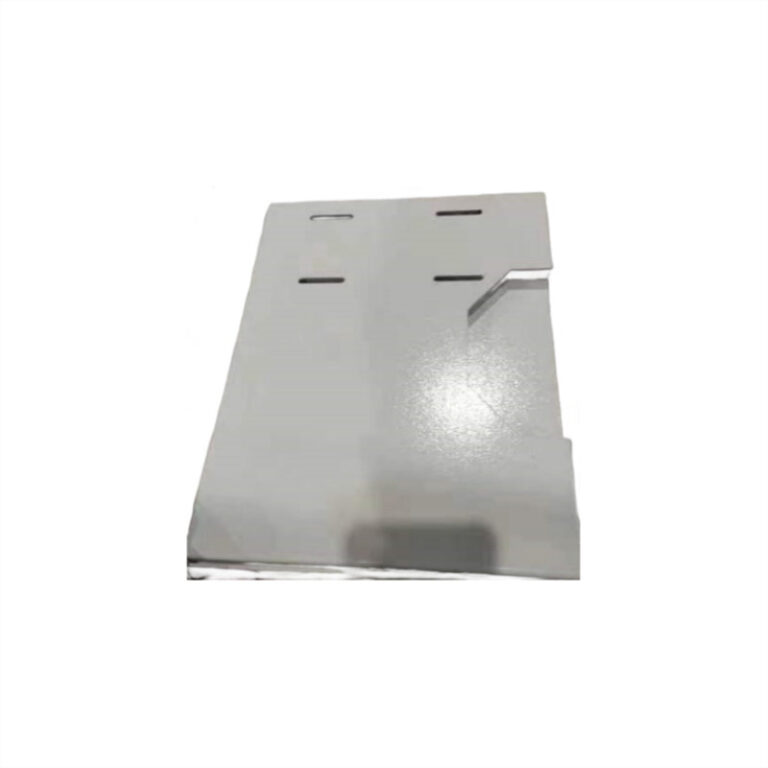
Sheet metal fabrication is a manufacturing process that transforms flat metal sheets into finished components and products through cutting, bending, punching, welding, and assembly.
The process begins with a flat metal sheet. Manufacturers then use specialized machinery and engineering techniques to create the desired shape.
Common fabrication processes include:
- Laser cutting
- CNC punching
- Bending
- Welding
- Stamping
- Surface finishing
- Assembly
Because fabricated parts can be customized according to specific requirements, industries prefer this manufacturing method for producing both simple and complex components.
Unlike traditional machining, fabrication minimizes material waste while improving production efficiency. Therefore, businesses can achieve both cost savings and higher productivity.
Why Sheet Metal Fabrication Is Essential in Modern Manufacturing
Manufacturers face several challenges, including:
- Increasing production costs
- Strict quality requirements
- Shorter delivery schedules
- Growing customer expectations
Fortunately, modern fabrication technologies address these challenges effectively.
High Precision
Advanced machinery produces components with extremely tight tolerances.
As a result, manufacturers can create parts that fit together perfectly during assembly.
Faster Production
Automation significantly reduces production time.
Moreover, computer-controlled systems improve consistency throughout the manufacturing cycle.
Material Optimization
Material costs represent a significant portion of manufacturing expenses.
Efficient fabrication techniques reduce scrap and maximize material utilization.
Design Flexibility
Engineers can create customized products without redesigning the entire production system.
Consequently, businesses can respond quickly to changing market demands.
Key Processes Used in Sheet Metal Manufacturing
Several techniques contribute to successful fabrication projects.
Laser Cutting
Laser cutting uses a concentrated beam of light to cut metal sheets with exceptional accuracy.
Advantages include:
- Clean edges
- Minimal material waste
- Faster processing
- Excellent dimensional accuracy
Laser systems are particularly useful for producing detailed and complex parts.
CNC Punching
CNC punching machines create holes and specific patterns in metal sheets.
This process offers several advantages:
- High production speed
- Repeatable accuracy
- Lower manufacturing costs
- Efficient large-volume production
Manufacturers often combine punching with laser cutting to improve productivity.
Metal Bending
Bending changes the shape of flat sheets without removing material.
Press brakes apply controlled force to create specific angles.
Common bending applications include:
- Brackets
- Frames
- Enclosures
- Cabinets
Proper bending techniques ensure structural integrity and dimensional consistency.
Welding and Assembly
After forming individual components, manufacturers join them through welding and assembly.
Popular welding methods include:
- TIG welding
- MIG welding
- Spot welding
Strong welds improve durability while maintaining the product’s structural strength.
Common Materials Used in Fabrication
Material selection directly affects product performance.
Different industries require different material properties.
Stainless Steel
Stainless steel offers:
- Excellent corrosion resistance
- High strength
- Attractive appearance
- Long service life
Industries such as healthcare and food processing frequently use stainless steel components.
Aluminum
Aluminum provides several advantages:
- Lightweight construction
- Excellent corrosion resistance
- High thermal conductivity
- Easy machinability
Because of these properties, aerospace and transportation companies commonly choose aluminum.
Carbon Steel
Carbon steel remains one of the most widely used materials.
Benefits include:
- High durability
- Cost-effectiveness
- Excellent weldability
- Strong mechanical performance
Heavy equipment manufacturers often rely on carbon steel components.
Copper and Brass
Copper and brass are valuable for electrical applications because of their superior conductivity.
These materials are commonly found in:
- Electrical systems
- Electronic equipment
- Communication devices
Selecting the right material improves performance while reducing production costs.
Industries That Depend on Fabricated Metal Components
Almost every industrial sector uses fabricated parts.
However, some industries depend on fabrication more heavily than others.
Automotive Industry
Vehicle manufacturers use fabricated components for:
- Chassis systems
- Body panels
- Engine components
- Structural assemblies
Modern fabrication methods support mass production while maintaining strict quality standards.
Aerospace Industry
Aircraft components require exceptional precision.
Fabricated parts in aerospace applications include:
- Support structures
- Mounting systems
- Enclosures
- Lightweight assemblies
Manufacturers must meet rigorous quality and safety requirements.
Medical Equipment Manufacturing
Medical devices require highly reliable components.
Fabricated metal products support:
- Surgical equipment
- Diagnostic systems
- Laboratory instruments
- Hospital devices
Precision remains essential in this industry.
Electronics Industry
Electronic manufacturers use fabricated parts for:
- Control panels
- Server enclosures
- Electrical cabinets
- Heat management systems
Miniaturization continues to increase the demand for precision manufacturing.
How Automation Is Transforming Fabrication
Manufacturing technologies continue to evolve.
Today, automation plays a major role in improving productivity.
Modern fabrication facilities use:
- CNC systems
- Robotic welding
- Automated material handling
- Digital quality inspection
These technologies reduce human error while improving production speed.
Additionally, automation supports real-time monitoring and data collection.
Manufacturers can identify potential issues earlier and make necessary adjustments before production delays occur.
Newtop Industry Group incorporates advanced manufacturing technologies to deliver consistent quality across different production projects.
Factors to Consider When Choosing a Fabrication Partner
Selecting the right manufacturing partner affects product quality, production schedules, and long-term business success.
Several factors should influence your decision.
Technical Expertise
Evaluate the company’s engineering capabilities.
Important considerations include:
- Design support
- Manufacturing knowledge
- Production experience
- Process optimization
Production Capacity
Can the manufacturer handle your required production volume?
A capable fabrication partner should support:
- Prototype development
- Small production runs
- High-volume manufacturing
Quality Control Systems
Strong quality management systems ensure consistent results.
Look for manufacturers that prioritize:
- Material inspection
- Dimensional verification
- Process monitoring
- Final product testing
Advanced Equipment
Modern equipment improves production efficiency.
Manufacturers that invest in technology often deliver better outcomes.
Customer Support
Effective communication reduces misunderstandings and project delays.
A reliable partner should provide:
- Engineering assistance
- Production updates
- Technical guidance
- Responsive customer service
These factors contribute significantly to successful manufacturing partnerships.
Best Practices for Improving Fabrication Projects
Manufacturers can improve project outcomes by following several practical strategies.
Optimize Designs Early
Engineering teams should simplify designs whenever possible.
Simple designs often reduce manufacturing costs.
Select Materials Carefully
Material selection influences:
- Strength
- Durability
- Weight
- Cost
Choosing the wrong material can create unnecessary production challenges.
Prioritize Prototyping
Prototype development helps identify potential design issues before large-scale production begins.
As a result, manufacturers avoid expensive modifications later.
Focus on Quality Throughout Production
Quality should never be treated as a final inspection activity.
Instead, manufacturers should integrate quality control into every production stage.
This approach reduces defects and improves customer satisfaction.
Conclusion
Modern manufacturing requires precision, efficiency, and adaptability. Therefore, businesses must adopt production methods that support both quality and innovation.
Sheet metal fabrication continues to provide manufacturers with a reliable solution for producing durable and highly customized components across multiple industries.
Whether your organization requires prototypes, specialized components, or large-scale production, working with an experienced manufacturing partner can make a significant difference.
Newtop Industry Group combines engineering expertise, advanced manufacturing technologies, and strict quality standards to support diverse industrial requirements. If you are looking for dependable manufacturing solutions, consider exploring how Newtop Industry Group can help transform your next fabrication project through innovative and efficient production strategies.