
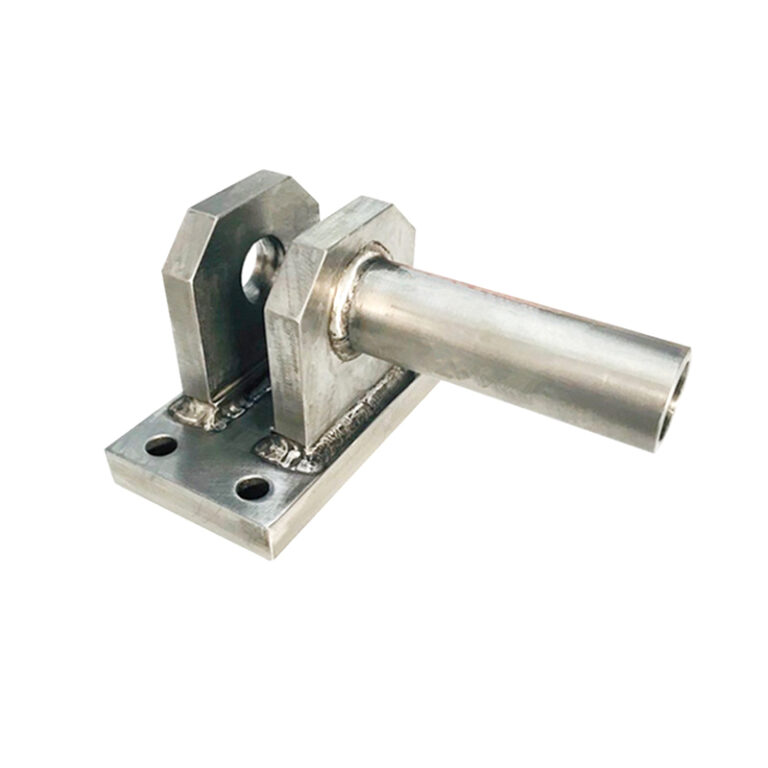
Industrial development depends on strong, reliable, and precisely engineered components. One process that plays a vital role in manufacturing, construction, transportation, and energy projects is steel fabrication. From creating structural frameworks to producing custom industrial parts, fabricated steel products support countless applications worldwide.
At Newtop Industry Group, we understand the growing demand for high-quality steel solutions that meet strict performance standards. As industries continue to evolve, businesses require durable materials, efficient production methods, and customized fabrication services to remain competitive.
This article explores the importance of steel fabrication, its key processes, benefits, applications, and how choosing the right fabrication partner can improve project outcomes.
What Is Steel Fabrication?
Steel fabrication is the process of transforming raw steel materials into finished products, components, or structures through cutting, bending, welding, machining, and assembly. Instead of using steel in its raw form, manufacturers shape it according to specific design requirements.
The fabrication process helps create products that meet exact dimensions, strength requirements, and functional needs.
Common fabricated steel products include:
- Structural beams
- Industrial equipment components
- Steel frames
- Storage tanks
- Machinery parts
- Platforms and walkways
- Custom metal enclosures
As a result, fabricated steel products are widely used across many industries.
Why Steel Remains the Preferred Industrial Material
Steel has remained one of the most valuable engineering materials for decades. Its unique combination of strength, flexibility, and durability makes it ideal for demanding environments.
Key Advantages of Steel
Exceptional Strength
Steel can withstand heavy loads without compromising structural integrity. Therefore, it is commonly used in large-scale industrial and construction projects.
Long-Term Durability
Unlike many other materials, steel performs well under harsh conditions. It resists wear, impact, and environmental stress over extended periods.
Design Flexibility
Modern fabrication techniques allow manufacturers to create highly customized designs. Consequently, businesses can obtain components tailored to their operational needs.
Sustainability
Steel is one of the most recyclable materials available. Many fabrication projects use recycled steel, reducing environmental impact while maintaining quality.
Cost Efficiency
Although steel offers superior strength, it remains cost-effective over its lifecycle due to lower maintenance requirements and longer service life.
The Main Stages of the Steel Fabrication Process
The fabrication process involves several carefully controlled stages to ensure precision and consistency.
1. Design and Engineering
Every successful project begins with detailed planning. Engineers create technical drawings and 3D models that define dimensions, tolerances, and material specifications.
At Newtop Industry Group, engineering teams focus on optimizing designs for performance, manufacturability, and cost efficiency.
2. Material Selection
Choosing the right steel grade is critical. Different applications require different material properties such as:
- Corrosion resistance
- Tensile strength
- Heat resistance
- Impact resistance
Proper material selection helps ensure long-term reliability.
3. Cutting Operations
Fabricators use advanced cutting technologies to achieve precise dimensions.
Common methods include:
- Laser cutting
- Plasma cutting
- Waterjet cutting
- CNC cutting
These technologies minimize waste while improving accuracy.
4. Forming and Bending
After cutting, steel components are shaped according to design requirements.
This stage may involve:
- Press braking
- Rolling
- Folding
- Punching
Accurate forming ensures proper assembly later in the process.
5. Welding and Assembly
Welding joins multiple steel parts into a single structure or component.
Experienced welders follow strict quality standards to ensure:
- Strong joints
- Structural stability
- Consistent performance
High-quality welding is essential for safety and reliability.
6. Surface Finishing
Fabricated products often receive additional treatments to enhance performance and appearance.
Popular finishing options include:
- Powder coating
- Galvanizing
- Sandblasting
- Painting
- Polishing
These treatments improve corrosion resistance and product lifespan.
7. Inspection and Quality Control
Before delivery, every component undergoes thorough inspection.
Quality checks typically evaluate:
- Dimensional accuracy
- Weld integrity
- Surface finish quality
- Material compliance
This final step ensures the finished product meets customer specifications.
Industries That Depend on Steel Fabrication
Fabricated steel products support a wide range of industries worldwide.
Construction Industry
Construction projects rely heavily on fabricated steel for:
- Building frameworks
- Bridges
- Warehouses
- Industrial facilities
- Commercial structures
Steel provides the strength needed for large-scale developments.
Manufacturing Sector
Manufacturers use fabricated steel components in:
- Production equipment
- Machinery frames
- Conveyor systems
- Processing units
Reliable steel structures help maintain operational efficiency.
Energy and Power Generation
Power plants and energy facilities require durable fabricated components that can withstand extreme operating conditions.
Applications include:
- Support structures
- Equipment housings
- Pipe systems
- Maintenance platforms
Transportation Industry
Fabricated steel is used extensively in:
- Rail infrastructure
- Heavy vehicles
- Marine applications
- Logistics facilities
The material’s strength makes it suitable for demanding transportation environments.
Agriculture
Agricultural operations utilize fabricated steel for:
- Storage systems
- Equipment frames
- Livestock facilities
- Processing equipment
Steel’s durability helps reduce maintenance costs over time.
Benefits of Working with a Professional Fabrication Partner
Choosing the right fabrication company can significantly affect project success.
Improved Product Quality
Professional fabricators follow established manufacturing standards and quality procedures. As a result, customers receive consistent, reliable products.
Greater Design Accuracy
Advanced engineering software and CNC technology improve precision throughout production.
Faster Project Completion
Experienced fabrication teams streamline workflows and reduce production delays.
Customized Solutions
Every industry has unique requirements. A skilled fabrication partner can create products designed specifically for your application.
Better Cost Management
Efficient manufacturing processes help reduce waste, labor costs, and material expenses.
Emerging Trends in Steel Fabrication
Technology continues to transform the fabrication industry.
Automation and Robotics
Automated welding and material handling systems improve consistency while increasing productivity.
CNC Manufacturing
Computer-controlled machinery delivers exceptional precision and repeatability.
Smart Manufacturing
Digital monitoring systems provide real-time production data, helping manufacturers optimize operations.
Sustainable Production Practices
Many companies now focus on:
- Energy-efficient equipment
- Waste reduction
- Material recycling
- Environmentally responsible processes
These initiatives support long-term sustainability goals.
How Newtop Industry Group Supports Modern Fabrication Needs
Newtop Industry Group delivers advanced fabrication solutions designed to meet the demands of modern industries. Through a combination of engineering expertise, quality-focused production, and customer-centered service, the company helps businesses achieve reliable and cost-effective results.
Key strengths include:
- Custom manufacturing capabilities
- Precision engineering support
- Advanced production technologies
- Strict quality control systems
- Industry-specific solutions
By maintaining high manufacturing standards, Newtop Industry Group supports projects ranging from industrial equipment components to large-scale structural applications.
Factors to Consider Before Choosing a Fabrication Supplier
Selecting a fabrication partner requires careful evaluation.
Consider the following factors:
Technical Expertise
Review the company’s engineering capabilities and project experience.
Quality Certifications
Look for recognized quality management standards and inspection procedures.
Production Capacity
Ensure the supplier can meet current and future production requirements.
Customization Capabilities
The ability to create tailored solutions is often essential for specialized projects.
Customer Support
Strong communication and responsive service contribute to smoother project execution.
Conclusion
The importance of steel fabrication continues to grow as industries demand stronger, more efficient, and highly customized solutions. From construction and manufacturing to transportation and energy, fabricated steel products form the backbone of countless modern operations.
By combining advanced technology, skilled craftsmanship, and rigorous quality control, fabrication companies help transform raw materials into high-performance industrial solutions. Newtop Industry Group remains committed to delivering reliable fabrication services that support business growth and operational success. Whether your project requires custom components, structural solutions, or precision-engineered products, partnering with an experienced fabrication specialist can help you achieve better results while maintaining quality, efficiency, and long-term value.