
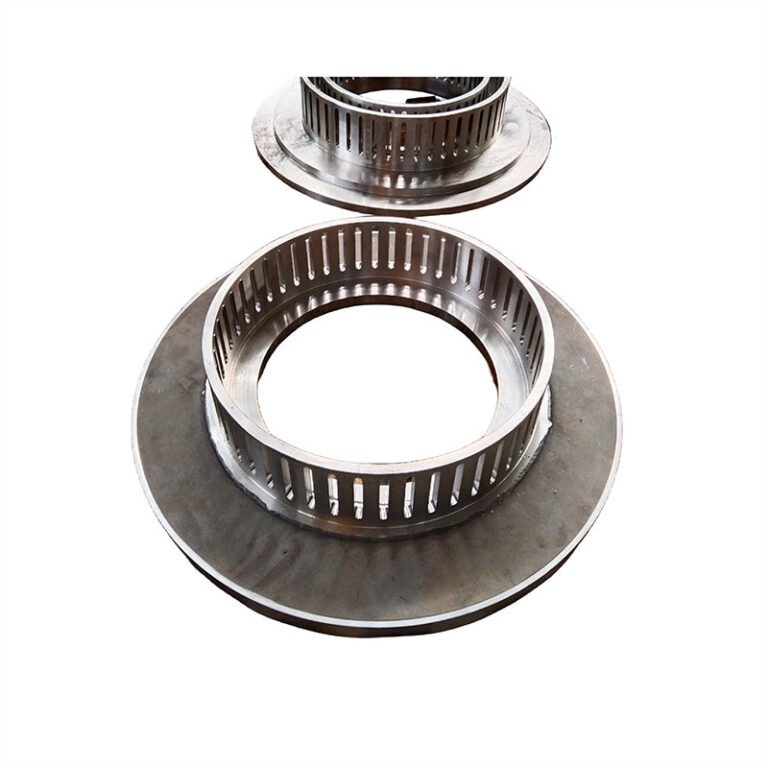
Modern manufacturing depends on speed, precision, and consistency. Companies across industries are under constant pressure to deliver high-quality products while controlling costs and reducing production time. This demand has increased the importance of sheet metal processing in today’s industrial environment.
From automotive components to electronics, manufacturers rely on advanced fabrication methods to produce durable and accurate metal parts. The process combines technology, engineering, and skilled craftsmanship to transform raw metal sheets into finished products.
Newtop Industry Group understands the growing need for reliable manufacturing solutions. By combining modern equipment with industry expertise, the company helps businesses develop components that meet strict quality requirements.
In this guide, we will explore how sheet metal processing works, the techniques involved, its advantages, and why it continues to play a critical role in modern manufacturing.
Understanding Sheet Metal Processing
Sheet metal processing is a manufacturing method that converts flat metal sheets into finished components through various fabrication techniques.
The process may include:
- Cutting
- Bending
- Stamping
- Punching
- Welding
- Surface finishing
- Assembly
Manufacturers use different materials depending on project requirements, including:
- Stainless steel
- Carbon steel
- Aluminum
- Copper
- Brass
- Galvanized steel
Because sheet metal is both strong and flexible, it is suitable for many industrial applications.
The Basic Workflow of Sheet Metal Fabrication
Every manufacturing project follows a structured production cycle. Although processes may vary, most fabrication projects include the following stages.
Design and Engineering
Everything begins with product design.
Engineers create detailed digital models using CAD software. These designs include:
- Dimensions
- Material specifications
- Tolerances
- Surface requirements
A well-designed model reduces production errors and improves manufacturing efficiency.
Material Selection
Choosing the right material is an important decision.
Manufacturers evaluate several factors, including:
- Corrosion resistance
- Mechanical strength
- Weight
- Heat resistance
- Cost
For example, aluminum is commonly selected for lightweight applications, while stainless steel is preferred in environments that require corrosion resistance.
Cutting Operations
Cutting transforms flat sheets into specific shapes.
Common cutting methods include:
- Laser cutting
- Plasma cutting
- Waterjet cutting
- Mechanical shearing
Laser cutting has become one of the most popular solutions because it delivers exceptional precision and minimizes material waste.
Forming and Bending
After cutting, metal sheets move to the forming stage.
Press brakes and specialized equipment reshape materials according to design requirements.
Accurate bending ensures:
- Proper assembly
- Better structural integrity
- Improved product performance
Welding and Assembly
Individual components are joined together through welding or mechanical fastening.
Common welding methods include:
- TIG welding
- MIG welding
- Spot welding
At this stage, manufacturers inspect all joints to ensure structural stability.
Key Technologies Used in Modern Manufacturing
Manufacturing technologies have evolved significantly during the last decade.
Today, automation and digitalization have transformed traditional fabrication processes.
CNC Technology
Computer Numerical Control (CNC) systems improve manufacturing accuracy.
Advantages include:
- Consistent production
- Reduced human error
- Faster operation
- Better repeatability
CNC machines can perform complex operations that would be difficult to complete manually.
Automated Production Systems
Automation has become an important part of industrial production.
Automated systems help manufacturers:
- Increase productivity
- Reduce labor costs
- Improve workplace safety
- Maintain consistent quality
As a result, companies can meet customer demands more effectively.
Smart Quality Inspection
Quality control methods have also improved.
Modern inspection tools include:
- Coordinate measuring machines
- Laser scanners
- Digital measuring systems
These technologies identify defects early and prevent production delays.
Benefits of Sheet Metal Processing in Manufacturing
Manufacturers continue to adopt advanced fabrication techniques because they offer several significant advantages.
Higher Production Efficiency
Efficient production is essential in competitive industries.
Advanced equipment shortens manufacturing cycles and reduces unnecessary downtime.
Consequently, businesses can complete projects more quickly.
Better Product Quality
Precision equipment produces components with tighter tolerances.
This leads to:
- Better fitting parts
- Improved functionality
- Higher reliability
Consistent quality also reduces customer complaints and product returns.
Cost Reduction
Material optimization helps manufacturers reduce waste.
Furthermore, automated systems lower labor requirements and improve resource utilization.
These improvements contribute directly to lower production costs.
Greater Design Flexibility
Complex product designs are easier to manufacture than ever before.
Modern fabrication technologies allow engineers to create:
- Intricate geometries
- Customized products
- Lightweight structures
Therefore, manufacturers can develop innovative solutions for different industries.
Industrial Applications of Sheet Metal Processing
Modern industries depend on fabricated metal components for numerous applications.
Automotive Manufacturing
The automotive sector uses fabricated metal parts for:
- Chassis systems
- Doors
- Frames
- Engine components
Precision manufacturing improves vehicle performance and safety.
Aerospace Industry
Aircraft manufacturers require lightweight and durable components.
Common applications include:
- Structural supports
- Brackets
- Panels
- Interior assemblies
Strict quality standards make precision manufacturing essential.
Construction Industry
Construction projects rely on fabricated products such as:
- Steel frames
- Roofing systems
- Structural supports
- Ventilation systems
Durable metal components improve building strength and longevity.
Electronics Manufacturing
Electronic devices contain numerous precision components.
Examples include:
- Computer enclosures
- Control panels
- Server cabinets
- Electrical housings
Compact designs require extremely accurate manufacturing processes.
Common Challenges in Fabrication Projects
Although manufacturing technologies continue to improve, several challenges still exist.
Material Distortion
Heat generated during cutting or welding may distort metal components.
Manufacturers reduce this risk by using controlled processing methods.
Dimensional Accuracy
Even small measurement errors can create major assembly problems.
Therefore, continuous inspection is necessary throughout production.
Rising Material Costs
Raw material prices fluctuate regularly.
As a result, manufacturers must improve material utilization to maintain profitability.
Why Experience Matters in Manufacturing Partnerships
Selecting the right manufacturing partner can significantly influence project outcomes.
An experienced company offers:
- Engineering expertise
- Advanced production capabilities
- Reliable quality control
- Efficient project management
Newtop Industry Group combines technical knowledge with modern manufacturing practices to deliver customized solutions for different industries.
The company’s approach focuses on precision, efficiency, and continuous improvement.
Additionally, experienced teams can identify potential production issues before they become expensive problems.
This proactive approach helps businesses save both time and resources.
Future Trends in Manufacturing
Manufacturing will continue to evolve as new technologies emerge.
Several trends are expected to shape the future:
- Artificial intelligence
- Digital twins
- Industrial robotics
- Predictive maintenance
- Sustainable manufacturing
Furthermore, environmentally responsible production methods are becoming increasingly important.
Manufacturers are investing in energy-efficient equipment and recyclable materials to reduce environmental impact.
Consequently, the future of fabrication will become more sustainable and technologically advanced.
Conclusion
The importance of sheet metal processing continues to grow across modern industries. Companies require faster production, greater precision, and improved product quality to remain competitive.
Advanced manufacturing technologies have transformed the way products are designed, fabricated, and assembled. Businesses that adopt modern fabrication methods can improve efficiency, reduce costs, and deliver better products.Newtop Industry Group recognizes these changing industry requirements and continues to provide manufacturing solutions that support innovation and operational excellence.