
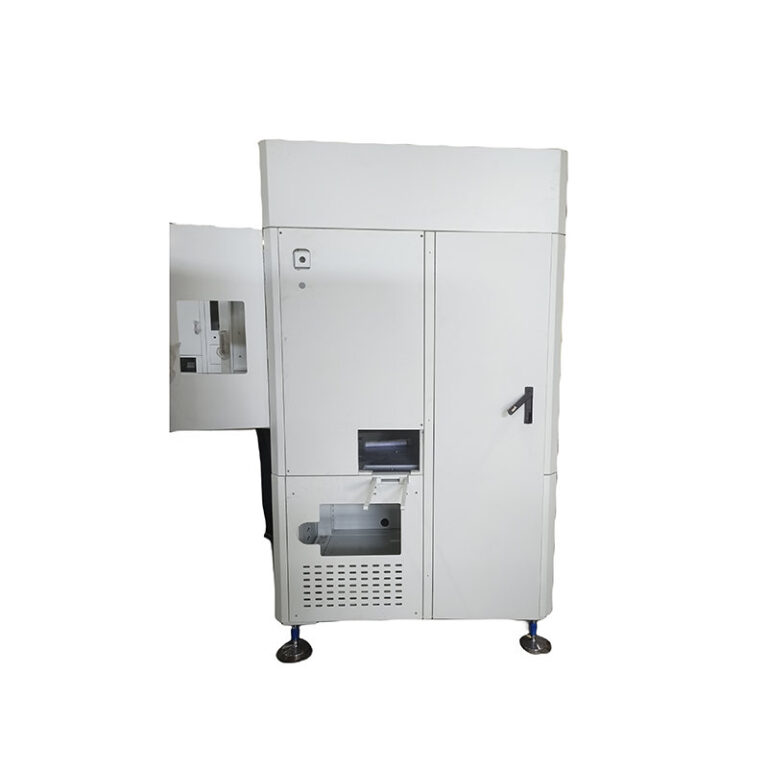
Manufacturing industries continue to evolve as businesses seek greater efficiency, accuracy, and product quality. In this competitive environment, custom sheet metal fabrication has become an essential process for creating durable, precise, and cost-effective components. From industrial machinery and construction equipment to electronics and transportation systems, custom metal solutions help companies meet unique design requirements while maintaining high production standards.
Newtop Industry Group understands the growing demand for specialized metal components. By combining advanced technology with engineering expertise, the company helps businesses achieve reliable manufacturing outcomes through tailored fabrication solutions.
Understanding Custom Sheet Metal Fabrication
Custom sheet metal fabrication is the process of transforming flat metal sheets into finished products or components based on specific customer requirements. Unlike standard manufacturing methods, custom fabrication focuses on unique designs, dimensions, and performance specifications.
The process typically includes:
- Metal cutting
- Bending and forming
- Punching
- Welding
- Assembly
- Surface finishing
These techniques work together to create components that meet exact industry standards and application needs.
Why Customization Matters
Every industry has different operational requirements. A component used in medical equipment may require different tolerances than one designed for heavy machinery.
Customization allows manufacturers to:
- Improve product performance
- Reduce material waste
- Achieve better fit and functionality
- Enhance durability
- Support innovative product designs
As a result, businesses gain greater flexibility while maintaining production efficiency.
Key Benefits of Custom Sheet Metal Fabrication
Choosing custom sheet metal fabrication offers several advantages compared to off-the-shelf components.
1. Precision Engineering
Modern fabrication technologies provide exceptional accuracy. Advanced CNC equipment ensures that every cut, bend, and weld matches design specifications.
Benefits include:
- Consistent quality
- Tight tolerances
- Reduced assembly issues
- Improved product reliability
Precision manufacturing also minimizes costly production errors.
2. Design Flexibility
Standard parts may not always meet specific project requirements. Custom fabrication allows engineers to create components tailored to exact applications.
For example:
- Unique enclosures for electronics
- Specialized machine housings
- Architectural metal structures
- Custom industrial brackets
This flexibility helps businesses bring innovative products to market faster.
3. Material Versatility
Fabricators can work with a wide range of metals, including:
- Stainless steel
- Carbon steel
- Aluminum
- Copper
- Brass
- Galvanized steel
Each material offers different advantages depending on the project’s performance requirements.
4. Cost Efficiency Over Time
Although custom manufacturing may involve initial design costs, it often reduces long-term expenses.
Companies can benefit from:
- Lower maintenance costs
- Reduced material waste
- Improved durability
- Fewer replacement parts
Therefore, customized solutions often provide better value throughout the product lifecycle.
Industries That Depend on Custom Sheet Metal Fabrication
Today, custom sheet metal fabrication plays a critical role across multiple industries.
Manufacturing Equipment
Industrial machinery requires strong and precise components capable of operating under demanding conditions.
Fabricated metal parts are commonly used for:
- Equipment frames
- Protective guards
- Machine enclosures
- Conveyor systems
These components contribute to both safety and operational efficiency.
Construction Sector
Construction projects frequently require customized metal structures.
Examples include:
- Building panels
- Roofing systems
- Structural supports
- Ventilation components
Custom fabrication ensures that materials fit project specifications accurately.
Electronics and Technology
Electronic devices often contain complex metal housings and brackets designed to protect sensitive components.
Key applications include:
- Server cabinets
- Control panels
- Equipment enclosures
- Mounting systems
Precise fabrication helps improve product functionality and appearance.
Transportation Industry
Transportation manufacturers rely on fabricated metal components for:
- Vehicle structures
- Protective covers
- Storage compartments
- Mechanical assemblies
Lightweight yet durable materials help improve performance while reducing overall weight.
The Custom Sheet Metal Fabrication Process
Understanding the fabrication process helps businesses appreciate the value of professional manufacturing services.
Design and Engineering
The process begins with design development. Engineers create detailed drawings and digital models based on customer requirements.
During this stage, teams evaluate:
- Material selection
- Structural requirements
- Manufacturing feasibility
- Cost optimization
Proper planning ensures smooth production later.
Material Preparation
Once designs are approved, raw metal sheets are selected and prepared for fabrication.
Material choice depends on factors such as:
- Strength requirements
- Corrosion resistance
- Weight considerations
- Environmental conditions
Cutting and Forming
Modern CNC machines provide highly accurate cutting and shaping capabilities.
Common methods include:
- Laser cutting
- Plasma cutting
- Waterjet cutting
- CNC punching
After cutting, components undergo bending and forming operations to achieve the required shape.
Welding and Assembly
Fabricated parts are then joined through welding or mechanical fastening methods.
Skilled technicians ensure:
- Structural integrity
- Accurate alignment
- Long-term durability
Quality control checks are performed throughout the assembly process.
Surface Finishing
Finishing treatments improve both appearance and performance.
Popular finishing options include:
- Powder coating
- Polishing
- Painting
- Galvanizing
- Anodizing
These processes help protect metal surfaces from corrosion and wear.
How Technology Is Transforming Fabrication
Technological advancements continue to improve the efficiency of custom sheet metal fabrication.
CNC Automation
Computer-controlled machinery delivers exceptional precision while reducing human error.
Advantages include:
- Faster production
- Consistent quality
- Improved repeatability
- Reduced waste
Laser Cutting Innovation
Modern laser systems can process complex geometries with remarkable accuracy.
Benefits include:
- Smooth edges
- Faster turnaround times
- Minimal material distortion
Digital Design Integration
CAD and CAM software allow seamless communication between design and production teams.
As a result, projects move from concept to manufacturing more efficiently.
Choosing the Right Fabrication Partner
Selecting the right fabrication company can significantly impact project success.
Businesses should consider several factors before making a decision.
Experience and Expertise
A reliable fabrication partner should have extensive industry knowledge and proven manufacturing capabilities.
Look for providers with experience in:
- Complex projects
- Multiple industries
- Precision manufacturing
Advanced Equipment
Modern equipment contributes directly to product quality and production efficiency.
Companies investing in advanced technology can often deliver better results.
Quality Assurance
Strong quality control processes help ensure consistent performance and compliance with industry standards.
Key indicators include:
- Inspection procedures
- Material traceability
- Testing capabilities
- Certification programs
Customer Support
Effective communication is essential throughout the project lifecycle.
A dependable partner should provide:
- Technical guidance
- Design assistance
- Production updates
- Post-production support
Why Businesses Trust Newtop Industry Group
Newtop Industry Group has built a strong reputation for delivering high-quality fabrication solutions tailored to customer requirements.
The company focuses on:
- Precision engineering
- Advanced manufacturing technologies
- Consistent quality control
- Customer-focused service
By understanding industry-specific challenges, Newtop Industry Group helps businesses develop reliable metal components that support long-term operational success.
Whether projects require small production runs or large-scale manufacturing, the company provides customized solutions designed to meet performance expectations.
Future Trends in Custom Sheet Metal Fabrication
The fabrication industry continues to evolve with changing market demands.
Emerging trends include:
- Smart manufacturing systems
- Increased automation
- Sustainable production practices
- Advanced material development
- Digital quality monitoring
These innovations are helping manufacturers improve efficiency while reducing environmental impact.
As industries demand higher precision and faster production cycles, fabrication technologies will continue to play an important role in modern manufacturing.
Conclusion
The growing demand for specialized components has made custom sheet metal fabrication an essential part of modern manufacturing. From precision engineering and design flexibility to cost efficiency and durability, customized fabrication solutions provide significant advantages across industries.
Businesses that invest in high-quality fabrication services can improve product performance, streamline operations, and stay competitive in rapidly changing markets. With its commitment to innovation, quality, and customer satisfaction, Newtop Industry Group continues to support manufacturers with dependable fabrication solutions tailored to their unique requirements. If your business is looking for reliable and precision-focused fabrication services, Newtop Industry Group offers the expertise and capabilities needed to bring your projects to life with confidence.