
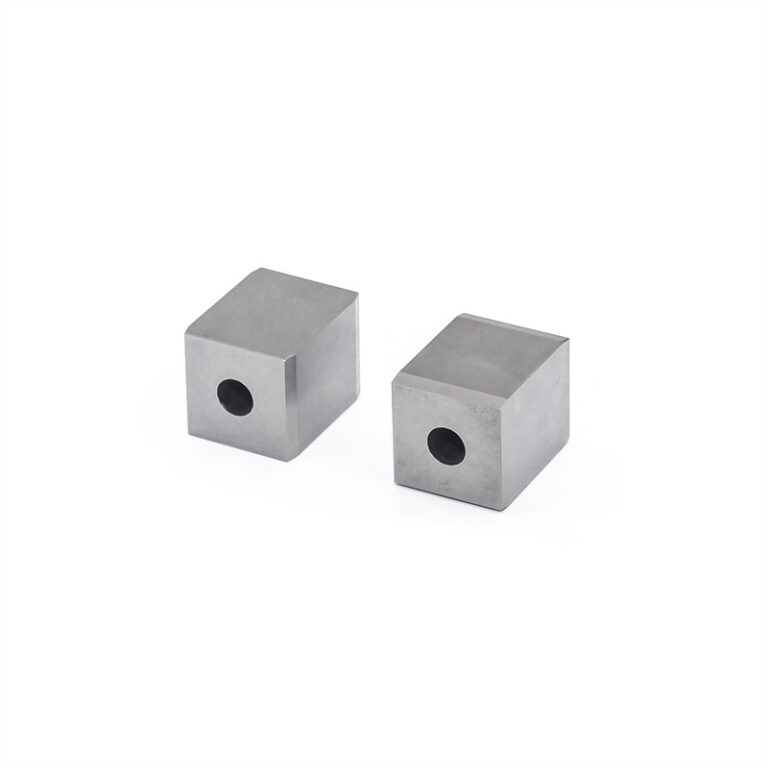
The automotive industry depends on accuracy, consistency, and speed. Every component, from engine parts to transmission systems, must meet strict quality standards. This is where automotive cnc machining plays a vital role. It helps manufacturers create highly precise parts that improve vehicle performance, safety, and reliability.
As vehicle technology continues to evolve, manufacturers require advanced production methods that can handle complex designs and tight tolerances. Newtop Industry Group understands these demands and provides precision machining solutions that support modern automotive manufacturing.
In this article, we will explore how automotive cnc machining works, its benefits, applications, and why it remains a key technology for the automotive sector.
What Is Automotive CNC Machining?
Automotive cnc machining is a manufacturing process that uses computer-controlled machines to produce vehicle components with exceptional accuracy. CNC stands for Computer Numerical Control, which means software directs machine tools to cut, drill, mill, or shape materials according to programmed instructions.
Unlike traditional machining methods, CNC systems reduce human error and ensure consistent production results. As a result, automotive manufacturers can produce high-quality parts in both small and large quantities.
Common materials used in automotive machining include:
- Aluminum
- Stainless steel
- Carbon steel
- Titanium
- Brass
- Engineering plastics
These materials offer the strength, durability, and performance required for modern vehicles.
Why Precision Matters in the Automotive Industry
Vehicle components must fit perfectly and function reliably under demanding conditions. Even a small deviation can affect performance or create safety risks.
Key Reasons Precision Is Essential
Enhanced Safety
Critical parts such as brake systems, steering components, and suspension assemblies require exact dimensions. Accurate machining helps ensure safe vehicle operation.
Better Performance
Precision-manufactured parts reduce friction, improve efficiency, and contribute to smoother vehicle performance.
Consistent Quality
Automotive manufacturers need identical components across thousands of units. CNC machining delivers repeatable accuracy throughout production runs.
Reduced Waste
Accurate machining minimizes material waste and lowers manufacturing costs.
Because of these advantages, many automotive companies rely on advanced CNC technologies for production.
How Automotive CNC Machining Works
The process begins with a digital design created using CAD (Computer-Aided Design) software. Engineers develop detailed models that define every dimension and feature of the component.
The workflow typically includes:
- Design creation
- CAD model development
- CAM programming
- Machine setup
- Precision machining
- Quality inspection
- Final finishing
Once programmed, CNC machines perform operations automatically while maintaining strict tolerances.
This automated approach improves efficiency and ensures consistent production quality.
Key Applications of Automotive CNC Machining
The automotive industry uses CNC machining for a wide variety of components.
Engine Components
Engine parts require extreme precision because they operate under high temperatures and pressures.
Examples include:
- Cylinder heads
- Engine blocks
- Pistons
- Connecting rods
- Valve components
Accurate machining helps improve engine efficiency and durability.
Transmission Parts
Transmission systems contain many complex components that must work together seamlessly.
Common machined parts include:
- Gear housings
- Transmission shafts
- Bearing supports
- Gear components
Precision manufacturing ensures smooth power transfer and reliable operation.
Brake System Components
Safety-related components require strict quality control.
Examples include:
- Brake calipers
- Brake pistons
- Mounting brackets
- Master cylinder parts
High machining accuracy supports dependable braking performance.
Suspension and Steering Parts
Vehicle handling depends heavily on the quality of steering and suspension systems.
Machined components often include:
- Steering knuckles
- Control arms
- Suspension brackets
- Wheel hubs
These parts require excellent dimensional accuracy and strength.
Electric Vehicle Components
The rise of electric vehicles has increased demand for specialized machined parts.
Examples include:
- Battery housings
- Motor components
- Cooling system parts
- Electrical connectors
Newtop Industry Group supports evolving automotive requirements through advanced manufacturing capabilities.
Major Benefits of Automotive CNC Machining
Superior Accuracy
One of the greatest advantages of automotive cnc machining is its ability to achieve extremely tight tolerances.
Many automotive applications require tolerances measured in microns. CNC systems consistently meet these specifications.
Faster Production
Automation reduces production time and increases efficiency.
Manufacturers can produce complex parts quickly while maintaining quality standards.
Improved Repeatability
Every part must match design specifications. CNC machines reproduce identical components repeatedly without significant variation.
Flexibility for Complex Designs
Modern vehicles contain increasingly sophisticated components.
CNC technology allows manufacturers to create:
- Intricate geometries
- Complex contours
- Custom features
- Lightweight structures
This flexibility supports innovation across the automotive industry.
Cost Efficiency
Although CNC equipment requires an initial investment, it often lowers long-term manufacturing costs through:
- Reduced labor requirements
- Less material waste
- Faster production cycles
- Fewer defects
These benefits contribute to improved operational efficiency.
Materials Commonly Used in Automotive CNC Machining
Different applications require different material properties.
Aluminum
Aluminum is widely used because it offers:
- Lightweight performance
- Corrosion resistance
- Excellent machinability
- Good strength-to-weight ratio
It is commonly found in engine and structural components.
Stainless Steel
Stainless steel provides:
- High strength
- Corrosion resistance
- Long service life
Manufacturers often use it for critical automotive systems.
Titanium
Titanium offers exceptional performance characteristics.
Benefits include:
- High strength
- Low weight
- Heat resistance
It is frequently used in performance and racing applications.
Engineering Plastics
Advanced plastics help reduce vehicle weight while maintaining functionality.
Common examples include:
- PEEK
- Nylon
- Delrin
- PTFE
These materials are often used in specialized automotive applications.
Quality Control in Automotive CNC Machining
Quality assurance is essential throughout the manufacturing process.
Inspection Techniques
Manufacturers use advanced inspection methods such as:
- Coordinate Measuring Machines (CMM)
- Laser measurement systems
- Surface finish analysis
- Dimensional verification
These tools help ensure compliance with automotive standards.
Process Monitoring
Modern CNC facilities often monitor production in real time.
Benefits include:
- Early defect detection
- Consistent quality
- Reduced downtime
- Improved efficiency
Newtop Industry Group emphasizes rigorous quality control to support customer requirements.
The Role of Automation and Smart Manufacturing
The future of automotive production is closely linked to automation.
Modern CNC systems integrate with smart manufacturing technologies that provide:
Real-Time Data Analysis
Manufacturers can monitor machine performance and production metrics instantly.
Predictive Maintenance
Advanced software identifies potential maintenance needs before failures occur.
Improved Productivity
Automated workflows reduce manual intervention and increase operational efficiency.
Better Traceability
Digital systems maintain detailed production records for quality assurance purposes.
These innovations continue to strengthen the value of automotive cnc machining across the industry.
Choosing the Right CNC Machining Partner
Selecting a capable manufacturing partner can significantly impact project success.
Consider the following factors:
Technical Expertise
Look for a company with experience in automotive manufacturing requirements.
Advanced Equipment
Modern CNC machines support better precision and production efficiency.
Quality Standards
Strong quality control processes help ensure reliable results.
Material Knowledge
A knowledgeable supplier can recommend suitable materials for specific applications.
Scalability
The ability to support both prototype and production volumes is important.
Newtop Industry Group combines engineering expertise, advanced machining capabilities, and quality-focused processes to serve automotive manufacturers worldwide.
Future Trends in Automotive CNC Machining
Several emerging trends are shaping the future of the industry.
Lightweight Vehicle Design
Manufacturers continue to focus on reducing vehicle weight to improve efficiency.
Electric Vehicle Growth
The expansion of EV production creates demand for specialized precision components.
Advanced Materials
New alloys and engineered materials require increasingly sophisticated machining techniques.
Digital Manufacturing
Industry 4.0 technologies continue to improve production visibility and operational performance.
As automotive technology evolves, CNC machining will remain a critical manufacturing solution.
Conclusion
The automotive industry relies on precision, reliability, and efficiency to meet growing market demands. Automotive cnc machining provides the accuracy needed to manufacture complex vehicle components while maintaining consistent quality and performance.
From engine systems and transmission components to electric vehicle parts, CNC machining supports virtually every area of modern automotive production. Its ability to deliver tight tolerances, repeatable results, and cost-effective manufacturing makes it an essential technology for today’s vehicle manufacturers. Newtop Industry Group understands the challenges of modern automotive manufacturing and delivers precision machining solutions designed to meet industry standards. Whether you require prototype development or large-scale production, partnering with an experienced manufacturer can help ensure the success of your next automotive project.