
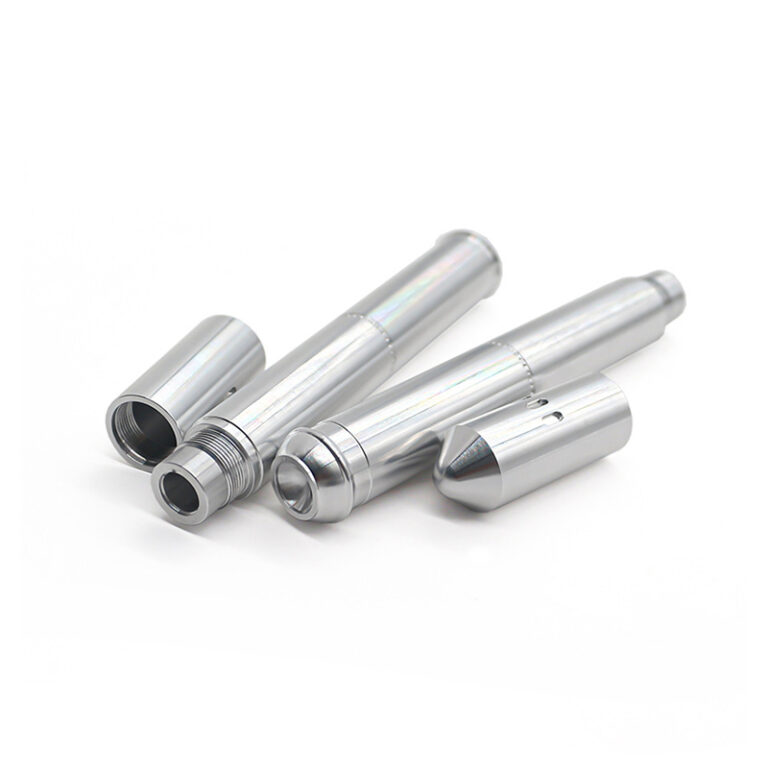
In today’s competitive industrial landscape, precision, durability, and cost-efficiency are essential for success. This is why aluminum parts manufacturing has become a critical process for businesses across multiple sectors. From automotive and aerospace applications to electronics and construction equipment, aluminum components play an important role in modern production.
As industries continue to demand lightweight yet strong materials, manufacturers are increasingly turning to aluminum to meet performance and sustainability goals. Newtop Industry Group has been helping businesses achieve these objectives through advanced manufacturing solutions designed to deliver reliable and high-quality aluminum parts.
This article explores the benefits, processes, applications, and future trends of aluminum parts manufacturing, helping businesses understand why aluminum remains one of the most valuable industrial materials available today.
Understanding Aluminum Parts Manufacturing
What Is Aluminum Parts Manufacturing?
Aluminum parts manufacturing refers to the process of producing components and products from aluminum materials using various fabrication and machining techniques. The goal is to create precise parts that meet specific design, performance, and industry requirements.
Manufacturers use different production methods depending on the complexity, quantity, and functionality of the component. These methods ensure consistent quality while maintaining cost-effective production.
Common Manufacturing Processes
Several production techniques are commonly used in aluminum component production:
- CNC machining
- Die casting
- Extrusion
- Sheet metal fabrication
- Forging
- Stamping
- Welding and assembly
Each process offers unique advantages and is selected based on project requirements.
Why Aluminum Is a Preferred Manufacturing Material
Lightweight Yet Strong
One of the biggest advantages of aluminum is its exceptional strength-to-weight ratio. Components made from aluminum can significantly reduce overall product weight without sacrificing structural integrity.
This benefit is particularly valuable in industries where reducing weight improves efficiency and performance.
Examples include:
- Aircraft structures
- Electric vehicles
- Transportation systems
- Consumer electronics
Excellent Corrosion Resistance
Unlike many metals, aluminum naturally develops a protective oxide layer that helps resist corrosion. As a result, aluminum parts can perform effectively in challenging environments.
This makes aluminum suitable for:
- Outdoor equipment
- Marine applications
- Industrial machinery
- Construction materials
High Thermal and Electrical Conductivity
Aluminum efficiently transfers heat and electricity, making it ideal for products such as:
- Heat sinks
- Electrical enclosures
- Power distribution systems
- Electronic components
Because of these properties, aluminum parts manufacturing continues to support innovation across many technical industries.
Key Manufacturing Methods for Aluminum Components
CNC Machining
Precision and Flexibility
CNC machining is one of the most popular methods used in aluminum parts manufacturing. Computer-controlled machines remove material with exceptional accuracy, creating complex geometries and tight tolerances.
Benefits include:
- High precision
- Excellent surface finish
- Fast prototyping
- Consistent production quality
Newtop Industry Group utilizes advanced machining capabilities to support demanding industrial applications requiring precise aluminum components.
Aluminum Die Casting
High-Volume Production Efficiency
Die casting involves injecting molten aluminum into specially designed molds under high pressure.
Advantages include:
- Fast production rates
- Complex part designs
- Smooth surface finishes
- Reduced material waste
This method is commonly used in automotive and consumer electronics manufacturing.
Aluminum Extrusion
Extrusion pushes heated aluminum through a custom die to create specific cross-sectional shapes.
Common applications include:
- Window frames
- Structural supports
- Heat sinks
- Industrial profiles
The process offers excellent design flexibility while maintaining material strength.
Industries That Depend on Aluminum Parts Manufacturing
Automotive Industry
The automotive sector is one of the largest users of aluminum components.
Manufacturers use aluminum for:
- Engine parts
- Transmission housings
- Wheels
- Chassis components
- Battery enclosures
Because aluminum is lightweight, vehicles achieve better fuel efficiency and improved performance.
Aerospace Industry
Aircraft manufacturers rely heavily on aluminum because it combines strength with low weight.
Typical aerospace applications include:
- Aircraft frames
- Wing structures
- Interior components
- Landing gear parts
The precision offered by aluminum parts manufacturing helps aerospace companies meet strict safety and performance standards.
Electronics Industry
Modern electronic devices require lightweight materials with strong heat dissipation capabilities.
Aluminum is commonly used for:
- Laptop housings
- Smartphone frames
- LED lighting systems
- Electronic enclosures
Its thermal conductivity helps improve product reliability and longevity.
Industrial Equipment
Industrial machinery often operates under demanding conditions. Aluminum components help manufacturers achieve durability while reducing overall equipment weight.
Examples include:
- Robotics systems
- Automation equipment
- Conveyor systems
- Packaging machinery
Quality Control in Aluminum Manufacturing
Importance of Precision
Quality control is essential in every stage of production. Even minor dimensional variations can impact performance and assembly.
Manufacturers implement strict inspection procedures such as:
- Coordinate measuring machine (CMM) testing
- Dimensional inspections
- Surface finish analysis
- Material verification
- Functional testing
These measures help ensure that every component meets customer specifications.
Industry Standards and Certifications
Reliable manufacturers follow recognized quality standards to maintain consistency and customer confidence.
Common certifications include:
- ISO 9001
- IATF 16949
- AS9100
- RoHS compliance
Newtop Industry Group focuses on maintaining high manufacturing standards to support diverse industrial requirements.
Sustainability Benefits of Aluminum Manufacturing
Recyclability
One major advantage of aluminum is that it can be recycled repeatedly without losing its core properties.
Benefits include:
- Reduced raw material consumption
- Lower environmental impact
- Energy savings
- Sustainable production practices
In fact, recycled aluminum requires significantly less energy than producing new aluminum from raw materials.
Supporting Green Manufacturing
As environmental regulations continue to evolve, businesses seek sustainable production solutions.
Aluminum parts manufacturing supports sustainability goals through:
- Material recyclability
- Lightweight product design
- Reduced transportation costs
- Improved energy efficiency
These advantages help organizations balance performance with environmental responsibility.
Choosing the Right Aluminum Manufacturing Partner
Factors to Consider
Selecting a manufacturing partner is a critical business decision. Companies should evaluate several factors before making a choice.
Important considerations include:
Technical Expertise
Look for a manufacturer with extensive experience handling aluminum materials and complex production requirements.
Production Capabilities
Ensure the supplier offers:
- Advanced CNC machining
- Die casting services
- Surface treatment options
- Custom fabrication solutions
Quality Assurance
Reliable manufacturers should provide comprehensive quality control procedures and certifications.
Scalability
A strong manufacturing partner can support both prototype development and large-scale production needs.
Newtop Industry Group emphasizes these capabilities to help customers achieve efficient and dependable manufacturing outcomes.
Future Trends in Aluminum Parts Manufacturing
Smart Manufacturing Technologies
Automation and digital technologies are transforming manufacturing operations worldwide.
Emerging innovations include:
- AI-driven production monitoring
- Predictive maintenance systems
- Automated inspection equipment
- Real-time process optimization
These technologies improve productivity while maintaining consistent quality.
Increased Demand for Lightweight Materials
Industries continue to prioritize lightweight engineering solutions.
Growing demand comes from:
- Electric vehicles
- Renewable energy systems
- Aerospace advancements
- Smart infrastructure projects
As a result, aluminum parts manufacturing is expected to remain a key contributor to industrial growth.
Advanced Surface Treatments
New finishing technologies are enhancing the performance of aluminum components through:
- Improved corrosion resistance
- Better wear protection
- Enhanced appearance
- Extended product lifespan
These developments create additional opportunities for manufacturers and end users alike.
Conclusion
The importance of aluminum parts manufacturing continues to grow as industries seek stronger, lighter, and more sustainable materials. From automotive and aerospace applications to electronics and industrial equipment, aluminum remains a versatile solution that supports innovation and efficiency.
With advanced production technologies, rigorous quality control, and a commitment to precision, Newtop Industry Group helps businesses obtain reliable aluminum components tailored to their specific requirements. Whether you need prototypes, custom parts, or large-scale production support, partnering with an experienced manufacturer can make a significant difference in product quality and operational success. If your organization is exploring dependable aluminum manufacturing solutions, Newtop Industry Group offers the expertise and capabilities needed to support your next project.