
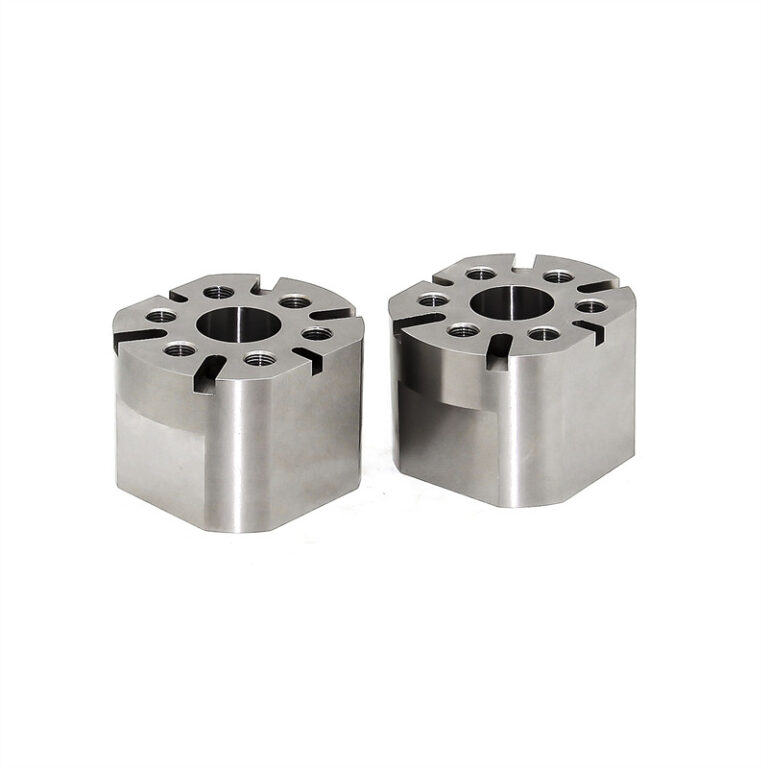
In today’s competitive manufacturing landscape, precision and consistency are more important than ever. Businesses across industries rely on custom cnc parts to achieve accurate dimensions, reliable performance, and cost-effective production. Whether it is aerospace, automotive, medical equipment, electronics, or industrial machinery, customized CNC-machined components help manufacturers meet exact specifications without compromising quality.
As production requirements become more complex, companies need trusted manufacturing partners that can deliver dependable results. Newtop Industry Group has established itself as a reliable provider of precision-engineered components, helping businesses achieve superior product performance through advanced machining capabilities and strict quality control standards.
This guide explores the benefits, applications, manufacturing processes, and selection criteria for high-quality CNC-machined components.
Understanding Custom CNC Parts
What Are Custom CNC Parts?
Custom cnc parts are components manufactured using Computer Numerical Control (CNC) machines based on unique customer specifications. Unlike standard off-the-shelf parts, these components are designed and produced to meet specific dimensions, tolerances, materials, and performance requirements.
CNC technology uses computer-controlled machinery to remove material from a workpiece with exceptional accuracy. This process allows manufacturers to create complex geometries that would be difficult or impossible to achieve using conventional machining methods.
Common Materials Used
Manufacturers produce CNC parts using a wide range of materials, including:
- Aluminum
- Stainless steel
- Carbon steel
- Brass
- Copper
- Titanium
- ABS plastic
- Nylon
- PEEK
- Polycarbonate
The material selection depends on the application, environmental conditions, strength requirements, and budget.
Why Manufacturers Choose CNC Machining
Exceptional Precision
One of the primary advantages of CNC machining is accuracy. Modern CNC machines can achieve extremely tight tolerances, ensuring consistent quality across production runs.
Benefits include:
- Improved product reliability
- Better assembly fit
- Reduced waste
- Enhanced performance
This level of precision is especially important for industries where even minor deviations can lead to operational issues.
Consistent Production Quality
Unlike manual machining, CNC equipment follows programmed instructions with minimal variation. As a result, every component is manufactured according to the same specifications.
This consistency helps businesses:
- Maintain quality standards
- Reduce defective products
- Improve customer satisfaction
- Lower production costs
Faster Manufacturing Cycles
Automation significantly reduces production time. Once a program is created, CNC machines can repeatedly manufacture parts with high efficiency.
As a result, companies can:
- Meet tight deadlines
- Scale production quickly
- Improve operational efficiency
Newtop Industry Group utilizes advanced manufacturing systems to support both prototype development and large-scale production projects.
Key Industries That Use Custom CNC Parts
Aerospace Industry
Aircraft and aerospace systems require components that meet strict safety and performance standards.
Examples include:
- Engine components
- Structural brackets
- Housing assemblies
- Precision connectors
Because aerospace applications demand lightweight yet durable materials, CNC machining plays a vital role in production.
Automotive Manufacturing
The automotive sector depends heavily on precision-engineered components.
Common applications include:
- Transmission parts
- Brake system components
- Engine parts
- Suspension components
High accuracy helps improve vehicle performance, safety, and durability.
Medical Equipment
Medical devices require precise and reliable parts that comply with regulatory standards.
Examples include:
- Surgical instruments
- Implant components
- Diagnostic equipment parts
- Medical device housings
The precision achieved through CNC machining supports patient safety and product reliability.
Electronics Industry
Electronic products often contain small and highly detailed components.
Examples include:
- Heat sinks
- Enclosures
- Connectors
- Circuit board supports
CNC machining allows manufacturers to produce these intricate parts with exceptional consistency.
Industrial Equipment
Industrial machinery relies on durable components capable of operating under demanding conditions.
Applications include:
- Shafts
- Gears
- Couplings
- Mounting brackets
High-quality machining helps extend equipment lifespan and reduce maintenance costs.
The Manufacturing Process Behind Custom CNC Parts
Design and Engineering
The process begins with a detailed CAD (Computer-Aided Design) model.
Engineers analyze:
- Dimensions
- Material requirements
- Functional performance
- Manufacturing feasibility
This stage ensures that the final component meets customer expectations.
Programming
After the design is approved, engineers create CNC programs using CAM (Computer-Aided Manufacturing) software.
The software determines:
- Tool paths
- Cutting speeds
- Feed rates
- Machining sequences
Proper programming is essential for accuracy and efficiency.
Material Preparation
The selected raw material is prepared and secured in the CNC machine.
Common preparation steps include:
- Cutting stock material
- Surface cleaning
- Fixture setup
- Machine calibration
Precision Machining
The CNC machine removes material according to programmed instructions.
Operations may include:
- Milling
- Turning
- Drilling
- Tapping
- Boring
Each operation contributes to the final geometry and surface finish.
Inspection and Quality Control
Quality control is a critical step in manufacturing custom cnc parts.
Inspection methods may include:
- Coordinate Measuring Machines (CMM)
- Digital calipers
- Surface roughness testing
- Visual inspection
Newtop Industry Group follows rigorous quality procedures to ensure every component meets customer specifications.
Benefits of Working with a Professional CNC Manufacturing Partner
Access to Advanced Technology
Experienced manufacturers invest in modern CNC equipment capable of producing complex parts with superior accuracy.
This technology enables:
- Faster production
- Better surface finishes
- Complex geometries
- Reduced errors
Engineering Expertise
A skilled engineering team can recommend design improvements that enhance manufacturability and reduce production costs.
This collaborative approach often leads to:
- Better performance
- Lower expenses
- Shorter lead times
Scalability
Whether you need a single prototype or thousands of components, professional manufacturers can scale production efficiently.
This flexibility supports business growth and changing market demands.
Reliable Quality Assurance
Established manufacturers implement strict inspection procedures throughout the production process.
As a result, customers receive components that meet industry standards and performance expectations.
How to Choose the Right Supplier for Custom CNC Parts
Evaluate Manufacturing Capabilities
Before selecting a supplier, review their:
- Equipment capacity
- Material expertise
- Industry experience
- Production volume capabilities
A capable supplier can support both current and future requirements.
Check Quality Certifications
Quality certifications demonstrate a commitment to manufacturing excellence.
Look for suppliers with recognized quality management systems and documented inspection procedures.
Review Industry Experience
Manufacturers with experience in your industry understand specific requirements and compliance standards.
This expertise helps avoid costly mistakes and delays.
Assess Communication and Support
Strong communication is essential for successful projects.
Choose a supplier that offers:
- Responsive customer service
- Technical support
- Project updates
- Engineering consultation
Newtop Industry Group prioritizes customer collaboration throughout every stage of production.
Future Trends in CNC Manufacturing
Increased Automation
Automation continues to improve efficiency and reduce production costs.
Advanced manufacturing facilities are integrating:
- Robotics
- Smart monitoring systems
- Automated inspection technologies
These innovations enhance productivity while maintaining quality.
Digital Manufacturing Integration
Modern CNC facilities increasingly use connected manufacturing systems.
Benefits include:
- Real-time production monitoring
- Improved scheduling
- Better quality tracking
- Faster decision-making
Sustainable Production Practices
Manufacturers are adopting environmentally responsible practices such as:
- Material recycling
- Energy-efficient equipment
- Waste reduction strategies
These initiatives help support long-term sustainability goals.
Conclusion
The demand for custom cnc parts continues to grow as industries seek higher precision, improved efficiency, and reliable product performance. From aerospace and automotive applications to medical devices and industrial equipment, CNC machining provides the accuracy and consistency required in modern manufacturing.
Choosing the right manufacturing partner is equally important. A supplier with advanced technology, engineering expertise, and strong quality control processes can help ensure project success while reducing production risks. Newtop Industry Group remains committed to delivering high-quality custom cnc parts that meet the evolving needs of global manufacturers. Whether you require prototypes, small production runs, or large-scale manufacturing, partnering with an experienced team can help bring your designs to life with precision and confidence.