
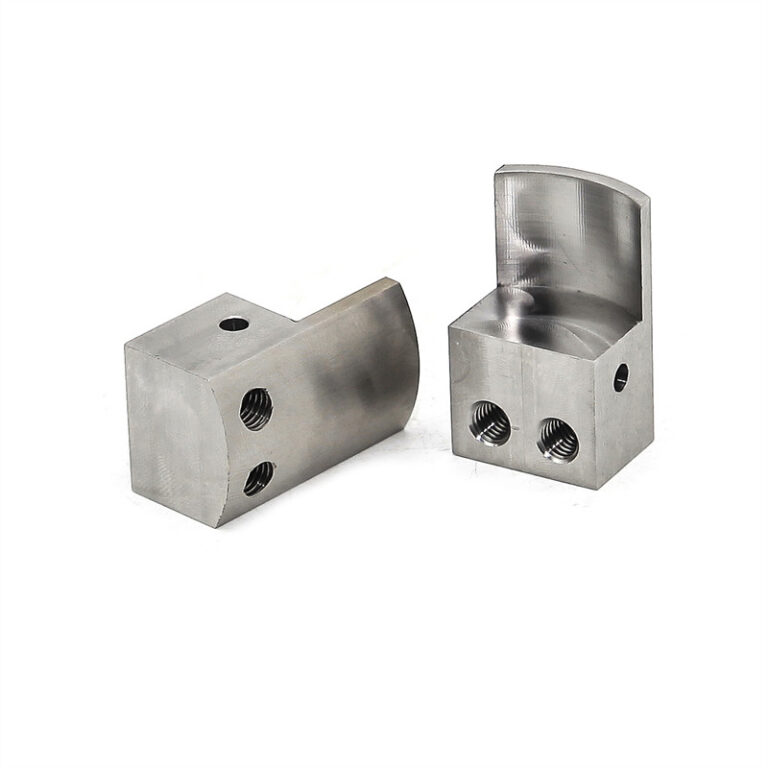
Modern manufacturing depends on accuracy, consistency, and efficiency. As industries continue to demand tighter tolerances and better product performance, cnc precision machining has become one of the most trusted production methods available today.
From aerospace and automotive components to medical devices and industrial equipment, precision-machined parts play a critical role in product quality. Companies that require reliable and repeatable results often rely on advanced machining processes to meet strict specifications.
Newtop Industry Group understands the growing need for precision manufacturing. By combining advanced technology, skilled engineering, and strict quality control, the company helps businesses achieve outstanding production results across various industries.
What Is CNC Precision Machining?
CNC precision machining is a manufacturing process that uses computer-controlled machines to remove material from a workpiece and create highly accurate components.
The term CNC stands for Computer Numerical Control. These systems follow programmed instructions to perform cutting, drilling, milling, turning, and other operations with exceptional accuracy.
Unlike manual machining, CNC equipment can produce identical parts repeatedly while maintaining tight tolerances. As a result, manufacturers can achieve greater consistency and reduce production errors.
How the Process Works
The process typically follows these steps:
- Design the component using CAD software.
- Convert the design into machine instructions.
- Secure the raw material in the machine.
- Execute machining operations automatically.
- Inspect the finished part for accuracy.
This streamlined workflow improves productivity while maintaining superior quality standards.
Why Precision Matters in Manufacturing
Even a minor dimensional error can affect product performance, safety, and reliability. Therefore, precision machining has become essential for industries where accuracy is critical.
Key Benefits of High Precision
Improved Product Quality
Accurate machining ensures every component meets design requirements. Consequently, products function more reliably and maintain consistent performance.
Better Assembly Performance
Parts manufactured with precise tolerances fit together correctly. This reduces assembly issues and minimizes production delays.
Reduced Material Waste
Modern CNC systems optimize cutting paths and machining operations. As a result, manufacturers use materials more efficiently.
Enhanced Production Efficiency
Automated machining processes reduce manual intervention and improve overall productivity.
Consistent Results
One of the greatest advantages of CNC technology is repeatability. Every part can be produced with the same level of accuracy.
Industries That Depend on CNC Precision Machining
Many sectors rely on precision-manufactured components to maintain quality and safety standards.
Aerospace Industry
Aircraft and aerospace systems require parts that meet extremely strict tolerances.
Common aerospace components include:
- Engine parts
- Structural brackets
- Landing gear components
- Turbine elements
Because safety is critical, precision machining plays a vital role in aerospace manufacturing.
Automotive Industry
Vehicle manufacturers use cnc precision machining to produce components that improve performance and reliability.
Examples include:
- Transmission parts
- Engine components
- Brake system elements
- Suspension components
Precise manufacturing helps ensure smooth vehicle operation and long-term durability.
Medical Industry
Medical devices require exceptional accuracy to ensure patient safety.
Machined medical products often include:
- Surgical instruments
- Orthopedic implants
- Diagnostic equipment components
- Dental devices
Strict quality standards make precision machining an essential process in healthcare manufacturing.
Electronics Industry
Electronic devices continue to become smaller and more sophisticated.
Precision-machined components are used in:
- Connectors
- Enclosures
- Heat sinks
- Semiconductor equipment
Accurate manufacturing supports optimal performance and reliability.
Industrial Equipment
Factories and industrial facilities depend on durable machine components.
Precision machining helps produce:
- Shafts
- Gears
- Valves
- Hydraulic parts
These components must perform reliably under demanding operating conditions.
Materials Commonly Used in Precision Machining
One major advantage of CNC technology is its ability to process a wide range of materials.
Metals
Popular metal materials include:
- Aluminum
- Stainless steel
- Carbon steel
- Brass
- Copper
- Titanium
Each material offers unique properties depending on the application requirements.
Plastics
Engineering plastics are widely used for lightweight and corrosion-resistant components.
Common options include:
- PEEK
- Nylon
- Delrin
- PTFE
- Polycarbonate
These materials often provide excellent chemical resistance and durability.
Specialty Materials
Some industries require advanced materials such as:
- Inconel
- Magnesium alloys
- Tool steels
- Composite materials
Advanced machining capabilities allow manufacturers to work with these challenging materials effectively.
Essential Technologies Used in CNC Precision Machining
Today’s machining facilities utilize advanced equipment to achieve superior results.
CNC Milling Machines
Milling machines use rotating cutting tools to remove material and create complex shapes.
Applications include:
- Slots
- Pockets
- Contours
- Precision surfaces
CNC Turning Centers
Turning machines rotate the workpiece while cutting tools shape the material.
These machines are ideal for:
- Shafts
- Bushings
- Cylindrical parts
- Threaded components
Multi-Axis Machining
Multi-axis equipment can move in several directions simultaneously.
Benefits include:
- Reduced setup time
- Improved accuracy
- Faster production
- Complex geometries
Automated Inspection Systems
Modern quality control systems verify dimensions during and after production.
This helps ensure every component meets customer specifications.
Factors That Influence Machining Accuracy
Several factors affect the final quality of machined parts.
Machine Capability
Advanced equipment provides better stability, positioning accuracy, and repeatability.
Tool Quality
Sharp and properly maintained cutting tools improve surface finish and dimensional accuracy.
Material Characteristics
Different materials respond differently to machining operations.
For example:
- Aluminum machines easily.
- Titanium requires specialized tooling.
- Stainless steel generates more cutting heat.
Understanding these characteristics helps achieve optimal results.
Operator Expertise
Although CNC systems are automated, skilled engineers and technicians remain essential.
Experienced professionals can:
- Optimize machining strategies
- Improve efficiency
- Reduce defects
- Maintain quality standards
How Quality Control Supports Better Results
Quality control is a critical part of cnc precision machining.
Without proper inspection procedures, even advanced machines may produce unacceptable parts.
Common Inspection Methods
Manufacturers often use:
- Coordinate Measuring Machines (CMM)
- Optical inspection systems
- Surface roughness testing
- Dimensional verification tools
These methods help identify potential issues before products reach customers.
Benefits of Strong Quality Assurance
Effective quality systems provide:
- Consistent product performance
- Reduced defects
- Greater customer confidence
- Improved production efficiency
Newtop Industry Group emphasizes quality throughout every stage of manufacturing to ensure dependable results.
Choosing the Right Precision Machining Partner
Selecting the right manufacturing partner can significantly impact project success.
Evaluate Technical Capabilities
Look for suppliers that offer:
- Advanced CNC equipment
- Multi-axis machining
- Material expertise
- Comprehensive inspection services
Review Industry Experience
A company with experience in multiple industries often understands unique production requirements more effectively.
Assess Quality Standards
Reliable manufacturers maintain strict quality procedures and continuous improvement programs.
Consider Scalability
Your production needs may grow over time. Therefore, choose a partner capable of supporting both prototype and large-volume manufacturing.
Communication and Support
Clear communication helps prevent misunderstandings and keeps projects on schedule.
Newtop Industry Group focuses on collaboration and technical support to help customers achieve their manufacturing objectives.
Future Trends in Precision Machining
The manufacturing industry continues to evolve rapidly.
Several trends are shaping the future of cnc precision machining.
Increased Automation
Automated systems improve productivity while reducing human error.
Smart Manufacturing
Connected machines provide real-time production data for better decision-making.
Advanced Materials
Manufacturers continue to develop new materials that require specialized machining techniques.
Sustainable Production
Companies are increasingly adopting energy-efficient equipment and waste-reduction strategies.
Artificial Intelligence Integration
AI-driven process optimization can improve efficiency, quality, and machine performance.
These innovations will continue to expand the capabilities of precision manufacturing.
Conclusion
As industries demand greater accuracy, consistency, and efficiency, cnc precision machining remains one of the most valuable manufacturing technologies available. It enables the production of complex, high-quality components that meet strict performance requirements across aerospace, automotive, medical, electronics, and industrial sectors.
By combining advanced machinery, skilled engineering, and rigorous quality control, manufacturers can achieve exceptional results while reducing waste and improving productivity.