
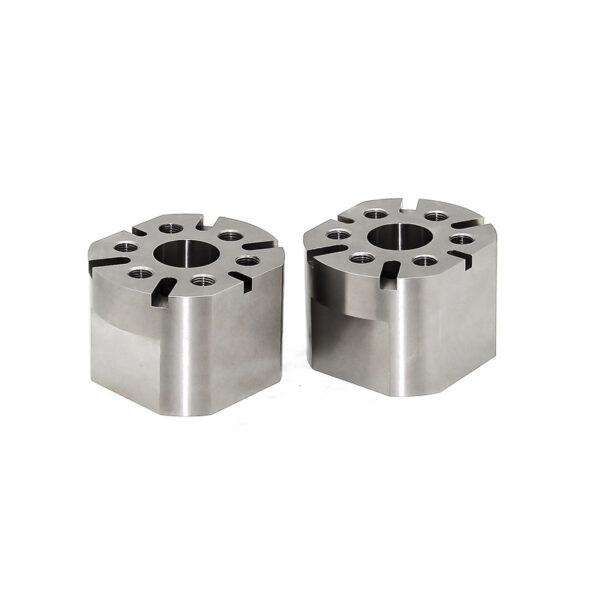
Manufacturing has changed dramatically over the last few decades. Companies now demand higher accuracy, faster production, and consistent quality across every product. As a result, cnc precision machining has become one of the most important manufacturing processes in modern industry.
From aerospace and automotive components to medical devices and electronics, precision plays a critical role in product performance. Businesses need parts that meet exact specifications without compromise. This is where Newtop Industry Group delivers value through advanced manufacturing solutions and industry expertise.
In this article, we will explore the benefits, applications, processes, and future trends of cnc precision machining while understanding why it remains a preferred choice for manufacturers worldwide.
What Is CNC Precision Machining?
CNC precision machining is a manufacturing process that uses computer-controlled machines to remove material from a workpiece and create highly accurate parts. CNC stands for Computer Numerical Control, which means the machine follows programmed instructions to perform cutting, drilling, milling, turning, and other operations.
Unlike manual machining, CNC technology ensures consistent results with minimal variation. Every movement is controlled digitally, allowing manufacturers to achieve tight tolerances and complex geometries.
Key Features of CNC Machining
Some important characteristics include:
- High dimensional accuracy
- Excellent repeatability
- Reduced human error
- Faster production cycles
- Capability to create complex parts
- Compatibility with various materials
Because of these advantages, manufacturers rely on CNC systems for projects requiring precision and reliability.
Why Precision Matters in Manufacturing
Precision is more than just achieving the right measurements. It directly affects product performance, safety, and durability.
For example:
- Aerospace components must fit perfectly to ensure safe operation.
- Medical devices require exact dimensions for patient safety.
- Automotive parts need consistent quality for efficient performance.
- Electronic components demand precise manufacturing for functionality.
Even a small deviation can lead to product failure, increased costs, and customer dissatisfaction. Therefore, cnc precision machining helps businesses maintain strict quality standards while reducing risks.
The CNC Precision Machining Process
The machining process follows several carefully planned stages.
Design and Engineering
Everything begins with a digital CAD (Computer-Aided Design) model. Engineers create a detailed design that includes dimensions, tolerances, and material specifications.
Programming
The CAD model is converted into machine instructions using CAM (Computer-Aided Manufacturing) software. These instructions guide the CNC machine throughout production.
Material Selection
Choosing the right material is essential. Common options include:
- Aluminum
- Stainless steel
- Carbon steel
- Brass
- Copper
- Titanium
- Engineering plastics
Each material offers unique properties based on the application requirements.
Machining Operations
The machine performs operations such as:
- Milling
- Turning
- Drilling
- Tapping
- Grinding
- Surface finishing
Because these processes are automated, manufacturers can achieve exceptional consistency.
Quality Inspection
Finally, every component undergoes inspection using advanced measuring equipment to verify dimensional accuracy and quality standards.
Major Benefits of CNC Precision Machining
Businesses continue to invest in CNC technology because it offers significant advantages.
Exceptional Accuracy
One of the biggest benefits is accuracy. CNC systems can produce components with extremely tight tolerances that would be difficult to achieve manually.
Consistent Quality
Since machines follow programmed instructions, every part is manufactured according to the same specifications.
Improved Productivity
Automation allows machines to operate efficiently, reducing production time and increasing output.
Reduced Waste
Precise cutting and optimized machining paths help minimize material waste.
Cost Efficiency
Although the initial setup may require investment, long-term production costs often decrease due to higher efficiency and fewer defects.
Design Flexibility
Complex geometries that were once challenging can now be produced with ease.
These benefits explain why cnc precision machining remains essential across many industries.
Industries That Depend on CNC Precision Machining
Modern industries rely heavily on precision-manufactured components.
Aerospace Industry
Aircraft and spacecraft components require exceptional precision and reliability.
Common aerospace parts include:
- Engine components
- Structural brackets
- Turbine parts
- Landing gear components
Automotive Industry
Vehicle manufacturers use CNC machining for:
- Engine blocks
- Transmission components
- Brake system parts
- Custom performance parts
Medical Industry
Medical equipment requires high-quality parts with strict tolerances.
Examples include:
- Surgical instruments
- Orthopedic implants
- Diagnostic equipment components
Electronics Industry
Electronic devices often contain miniature components that require accurate machining.
Applications include:
- Connectors
- Heat sinks
- Enclosures
- Precision housings
Industrial Equipment
Factories use machined components for machinery, automation systems, and production equipment.
Because of its versatility, cnc precision machining supports innovation across multiple sectors.
Materials Commonly Used in CNC Machining
Material selection affects performance, durability, and cost.
Aluminum
Aluminum is lightweight, corrosion-resistant, and easy to machine. It is widely used in aerospace and electronics applications.
Stainless Steel
This material offers excellent strength and corrosion resistance, making it suitable for medical and industrial applications.
Titanium
Titanium combines high strength with low weight. It is commonly used in aerospace and medical industries.
Brass
Brass provides excellent machinability and attractive surface finishes.
Engineering Plastics
Materials such as PEEK, Nylon, and Delrin are used when lightweight and non-metallic solutions are required.
Newtop Industry Group works with a wide range of materials to meet diverse manufacturing needs.
How CNC Precision Machining Supports Product Quality
Quality control is critical in every manufacturing environment.
With CNC systems, manufacturers can:
- Maintain consistent dimensions
- Reduce production errors
- Improve surface finishes
- Meet strict tolerance requirements
- Enhance product reliability
Furthermore, advanced inspection equipment helps verify every stage of production. This systematic approach improves customer confidence and reduces costly rework.
As customer expectations continue to rise, companies increasingly turn to cnc precision machining to maintain quality standards.
Choosing the Right CNC Machining Partner
Selecting the right manufacturing partner can significantly impact project success.
Consider the following factors:
Technical Expertise
Choose a company with extensive machining experience and engineering knowledge.
Advanced Equipment
Modern CNC machines improve efficiency, precision, and production capacity.
Quality Assurance
Look for comprehensive inspection procedures and quality management systems.
Material Capabilities
A capable supplier should offer a broad range of material options.
Custom Manufacturing Support
Every project has unique requirements. A flexible partner can provide tailored solutions.
Newtop Industry Group focuses on delivering precision-engineered components that meet customer expectations across various industries.
Future Trends in CNC Precision Machining
Manufacturing technology continues to evolve rapidly.
Several trends are shaping the future of the industry.
Smart Manufacturing
Connected machines and real-time monitoring improve efficiency and decision-making.
Artificial Intelligence
AI-powered systems help optimize machining parameters and predict maintenance needs.
Advanced Automation
Robotics and automation increase productivity while reducing manual intervention.
Sustainable Manufacturing
Manufacturers are adopting energy-efficient processes and waste reduction strategies.
Multi-Axis Machining
Advanced multi-axis machines can produce complex parts in fewer setups, improving accuracy and efficiency.
As these innovations continue to develop, cnc precision machining will become even more capable and cost-effective.
Why Businesses Trust CNC Precision Machining
Companies choose CNC machining because it combines precision, speed, flexibility, and reliability.
Key reasons include:
- Consistent production quality
- Faster turnaround times
- Reduced material waste
- Greater design freedom
- Scalability for small and large production runs
- Improved operational efficiency
Whether producing prototypes or high-volume components, CNC technology helps manufacturers achieve their goals with confidence.
Conclusion
In today’s competitive manufacturing environment, precision is essential for delivering reliable and high-performing products. CNC precision machining provides the accuracy, consistency, and efficiency needed to meet modern industry demands.
From aerospace and medical devices to automotive and industrial equipment, this advanced manufacturing process supports innovation across countless applications. Its ability to produce complex components with tight tolerances makes it a valuable solution for businesses seeking superior quality. Newtop Industry Group understands the importance of precision manufacturing and continues to support customers with advanced machining capabilities, quality-focused processes, and dependable service. If your business is looking for expertly manufactured components that meet demanding specifications, Newtop Industry Group can help you achieve your production goals with confidence.