
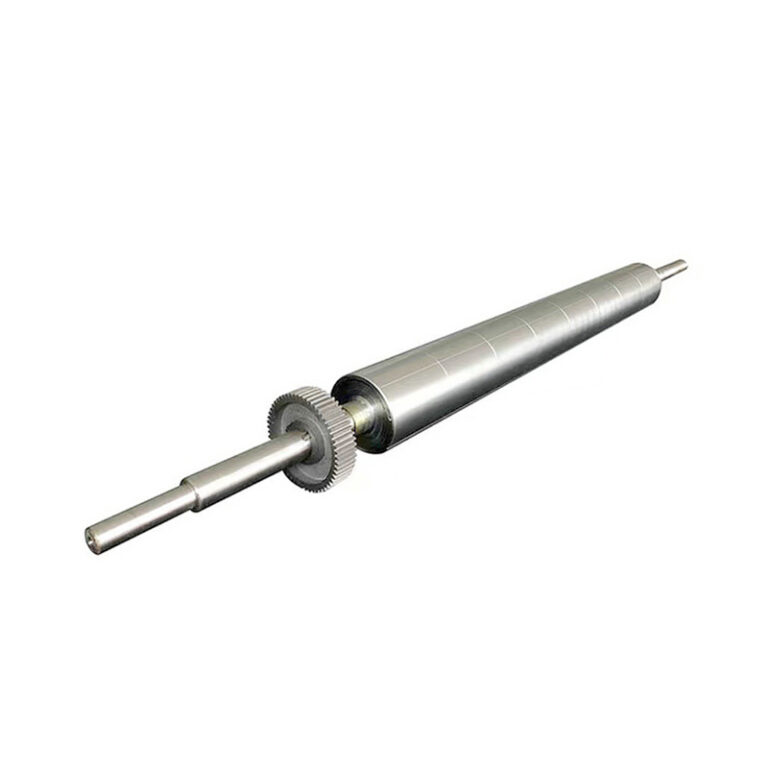
Manufacturing industries today demand higher precision, faster production, and consistent quality. As a result, cnc manufacturing has become one of the most important technologies in modern production environments. From aerospace and automotive parts to medical devices and consumer products, CNC technology helps businesses produce accurate components with minimal errors.
At Newtop Industry Group, advanced machining solutions support customers across various industries that require reliable and high-quality production. By combining technology, expertise, and strict quality control, manufacturers can achieve exceptional results while maintaining cost efficiency.
In this article, we will explore the fundamentals of cnc manufacturing, its benefits, applications, processes, and why it continues to shape the future of industrial production.
What Is CNC Manufacturing?
CNC manufacturing refers to Computer Numerical Control manufacturing, a process where computerized systems control machine tools to create parts and components with exceptional accuracy.
Unlike traditional machining methods, CNC systems operate based on digital instructions. These instructions guide cutting tools, drills, mills, and lathes to perform precise movements.
The process typically involves:
- Creating a digital design using CAD software
- Converting the design into machine-readable code
- Setting up the machine and material
- Producing the component automatically
- Inspecting the final product for quality
This automated approach reduces human error and increases production consistency.
How CNC Manufacturing Works
The CNC process follows several important stages.
Product Design
Engineers create a detailed digital model using Computer-Aided Design (CAD) software. This model contains all dimensions and specifications required for production.
Programming
The CAD design is converted into machine instructions using Computer-Aided Manufacturing (CAM) software. The program determines cutting paths, speeds, and tool movements.
Machine Setup
Operators install the required tooling and load raw materials into the machine.
Automated Production
Once the program starts, the machine performs cutting, drilling, milling, turning, or shaping operations with high precision.
Quality Inspection
Finished parts undergo inspection to ensure they meet dimensional and quality standards.
Because every step is carefully controlled, manufacturers achieve repeatable and reliable results.
Major Benefits of CNC Manufacturing
Modern industries rely on CNC technology for many reasons.
Exceptional Precision
One of the biggest advantages of cnc manufacturing is accuracy. Machines can produce complex components with extremely tight tolerances.
This level of precision is essential in industries such as:
- Aerospace
- Medical equipment
- Electronics
- Automotive manufacturing
Consistent Quality
Every part is produced according to the same programmed instructions. Therefore, manufacturers can maintain uniform quality throughout large production runs.
Faster Production
Automation significantly reduces production time. Machines can operate continuously while maintaining consistent output.
Reduced Material Waste
Optimized tool paths help minimize unnecessary material removal. Consequently, manufacturers save costs and improve sustainability.
Complex Design Capability
CNC equipment can create intricate geometries that would be difficult or impossible using conventional machining methods.
Industries That Depend on CNC Manufacturing
Many sectors rely on CNC technology to produce critical components.
Aerospace Industry
Aircraft parts require strict tolerances and high reliability. CNC machining ensures every component meets exact specifications.
Common aerospace components include:
- Structural brackets
- Engine parts
- Turbine components
- Landing gear elements
Automotive Industry
Automotive manufacturers use CNC systems to create:
- Engine components
- Transmission parts
- Brake systems
- Suspension components
High-volume production benefits greatly from automation and consistency.
Medical Industry
Medical equipment requires precision and safety. CNC-machined parts are commonly used in:
- Surgical instruments
- Orthopedic implants
- Diagnostic equipment
- Dental devices
Electronics Industry
Modern electronics often contain miniature precision components that require advanced machining processes.
Materials Used in CNC Manufacturing
One reason cnc manufacturing remains so versatile is its compatibility with various materials.
Aluminum
Aluminum is lightweight, corrosion-resistant, and easy to machine. It is widely used in aerospace and electronics applications.
Stainless Steel
This material offers excellent strength and corrosion resistance, making it suitable for medical and industrial equipment.
Carbon Steel
Carbon steel provides durability and cost-effectiveness for numerous industrial applications.
Brass
Brass is often selected for decorative parts, fittings, and electrical components.
Copper
Copper delivers excellent electrical conductivity and is commonly used in electronic products.
Engineering Plastics
Popular options include:
- PEEK
- Nylon
- ABS
- Delrin
These materials are suitable for lightweight and specialized applications.
CNC Manufacturing vs Traditional Manufacturing
Understanding the difference between CNC and conventional machining helps businesses make informed decisions.
| Feature | CNC Manufacturing | Traditional Manufacturing |
| Precision | Extremely High | Moderate |
| Speed | Fast | Slower |
| Consistency | Excellent | Operator Dependent |
| Automation | High | Low |
| Complexity | Handles Complex Designs | Limited |
| Waste Reduction | Better | Higher Waste |
As technology advances, CNC systems continue to outperform traditional methods in many production environments.
Why Quality Control Matters in CNC Manufacturing
Precision alone is not enough. Manufacturers must also maintain strict quality standards throughout production.
Quality control typically includes:
- First article inspections
- Dimensional verification
- Surface finish evaluation
- Material certification checks
- Final product testing
At Newtop Industry Group, quality assurance plays an essential role in ensuring every component meets customer expectations.
Strong inspection procedures help reduce defects and improve customer satisfaction.
The Role of Automation in Modern Manufacturing
Automation is transforming factories around the world.
Today, advanced CNC systems often integrate with:
- Robotics
- Artificial intelligence
- Real-time monitoring systems
- Smart manufacturing platforms
- Automated material handling solutions
These technologies improve productivity while reducing downtime.
Furthermore, manufacturers gain valuable production data that helps optimize efficiency and identify opportunities for improvement.
Sustainability Benefits of CNC Manufacturing
Environmental responsibility has become a major priority across industries.
Fortunately, cnc manufacturing supports sustainability goals in several ways.
Efficient Material Usage
Optimized machining strategies reduce waste and improve resource utilization.
Lower Energy Consumption
Modern CNC equipment often operates more efficiently than older manufacturing systems.
Reduced Scrap Rates
Consistent production minimizes rejected parts and unnecessary material loss.
Long-Term Product Reliability
High-quality components often last longer, reducing replacement requirements and overall resource consumption.
These advantages contribute to a more sustainable manufacturing ecosystem.
Choosing the Right CNC Manufacturing Partner
Selecting the right manufacturing partner can significantly impact project success.
Consider the following factors:
Technical Expertise
Look for a company with proven experience across multiple industries and materials.
Advanced Equipment
Modern machinery helps achieve better precision, efficiency, and production capacity.
Quality Management
Strong inspection systems ensure consistent results.
Production Flexibility
A capable partner should support both prototype development and large-scale production.
Customer Support
Effective communication helps projects stay on schedule and meet expectations.
Newtop Industry Group focuses on delivering reliable manufacturing solutions backed by advanced capabilities and industry expertise.
Future Trends in CNC Manufacturing
The future of cnc manufacturing continues to evolve through innovation.
Several emerging trends include:
- Artificial intelligence-assisted machining
- Smart factory integration
- Digital twins
- Predictive maintenance
- Advanced automation systems
- Enhanced process monitoring
- Sustainable manufacturing practices
These developments will help manufacturers improve efficiency, quality, and competitiveness in the years ahead.
As global demand for precision components grows, CNC technology will remain a key driver of industrial progress.
Conclusion
Modern industries require precision, consistency, and efficiency to remain competitive. That is why cnc manufacturing has become an essential part of today’s production landscape. From aerospace and automotive applications to medical and electronics industries, CNC technology delivers reliable results while supporting innovation and growth.
By combining advanced equipment, skilled engineering, and strict quality control, manufacturers can produce high-quality components that meet demanding specifications. Newtop Industry Group understands these requirements and continues to support customers with dependable manufacturing solutions designed for modern industry.