
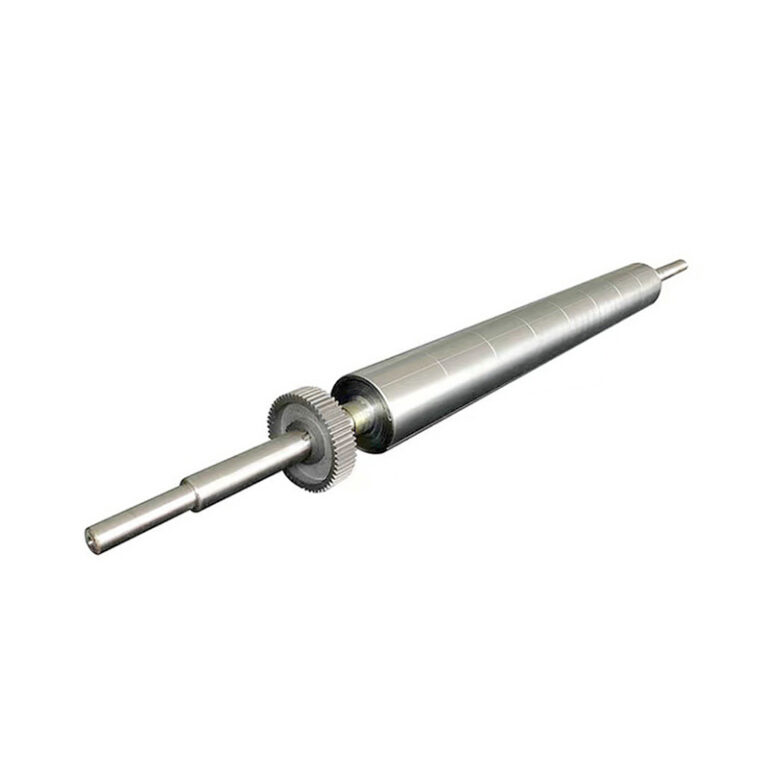
Finding the right manufacturing partner can make a major difference when you need accurate, durable, and consistent components. A reliable cnc machining service can turn digital designs into finished parts while supporting prototypes, custom components, and production orders.
However, choosing a supplier involves more than comparing prices. You also need to consider machining capabilities, materials, tolerances, inspection methods, communication, lead times, and production capacity. Newtop Industry Group understands these practical requirements and focuses on manufacturing solutions that match the needs of each project.
Whether you need a single prototype or a larger batch, understanding how CNC machining works can help you make a better supplier decision.
What Is a CNC Machining Service?
A CNC machining service uses computer-controlled equipment to manufacture components from engineering drawings or digital models.
CNC stands for Computer Numerical Control. Instead of relying entirely on manual movements, the machine follows programmed instructions that control the cutting tools.
Depending on the component, the process may include:
- CNC milling
- CNC turning
- Drilling
- Boring
- Threading
- Grooving
- Contouring
- Precision cutting
The machine removes material from a workpiece until the desired shape and dimensions are achieved.
Because the process is digitally controlled, CNC machining can provide consistent results across repeated production runs. It is also flexible enough to produce custom components with detailed features.
Why Businesses Use CNC Machining
CNC machining is widely used because modern products often require accurate and repeatable components.
A small dimensional error can affect how two parts fit together. For example, a shaft that does not match its bearing correctly may create unwanted movement or increase wear.
A well-managed machining process can help manufacturers achieve:
- Consistent dimensions
- Repeatable production
- Accurate assemblies
- Complex component geometries
- Efficient production
- Reduced manual intervention
- Better control over part quality
Therefore, CNC machining is useful for both simple components and demanding engineering applications.
How a CNC Machining Service Works
Design and Technical Review
The process begins with a CAD model, engineering drawing, or other technical information.
The manufacturer reviews the design to understand dimensions, tolerances, material requirements, surface finishes, and special features.
At this stage, potential manufacturing issues can often be identified before production begins.
CNC Programming
Once the design is understood, machining instructions are prepared.
The program determines how the machine will move and how the cutting tools will interact with the material.
A well-planned program can improve machining efficiency while reducing unnecessary tool movements.
Material Selection
The material must suit both the manufacturing process and the final application.
Common CNC materials include:
- Aluminum
- Stainless steel
- Carbon steel
- Brass
- Copper
- Engineering plastics
Each material has different properties. Therefore, selection should be based on factors such as strength, weight, corrosion resistance, operating environment, and cost.
Machine Setup
The workpiece must be positioned securely before machining begins.
Tools, fixtures, cutting parameters, and machine settings are prepared according to the component requirements.
A stable setup is important because unwanted movement can affect dimensional accuracy.
Machining and Inspection
The CNC equipment then performs the programmed operations.
After machining, important features are inspected to confirm that the finished component matches the required specifications.
Depending on the project, inspection may include checking dimensions, holes, threads, surface finish, and other critical features.
Benefits of Choosing a Professional CNC Machining Service
Consistent Production
Consistency is one of the most important advantages of CNC machining.
Once a process has been properly developed, the same instructions can be repeated for multiple components. This makes CNC machining suitable for businesses that require identical parts over time.
For example, a manufacturer producing equipment housings may need hundreds of units with the same mounting holes and dimensions. A controlled CNC process can help maintain those requirements throughout production.
Complex Designs
Modern CNC equipment can produce features that may be difficult to achieve through conventional manual methods.
These can include:
- Deep pockets
- Curved surfaces
- Precision holes
- Slots
- Threads
- Custom profiles
- Detailed contours
As a result, engineers can develop components around the actual needs of a product rather than being limited by simple shapes.
Faster Product Development
CNC machining can support prototype development without requiring a large production commitment.
Suppose an engineering team designs a new mechanical component. A small batch can be machined and tested before the design moves into larger production.
This allows engineers to evaluate:
- Fit
- Function
- Strength
- Assembly
- Dimensions
- Design practicality
If changes are required, the design can be updated before a larger quantity is manufactured.
Materials Used in CNC Machining
Aluminum
Aluminum is lightweight and generally easy to machine. It can be a practical choice for components where low weight and corrosion resistance are important.
Stainless Steel
Stainless steel provides strength and corrosion resistance. It is often considered for industrial components that operate in challenging environments.
Carbon Steel
Carbon steel offers useful strength and durability. Different grades can be selected according to the mechanical requirements of the component.
Brass
Brass has good machinability and can be used for fittings, mechanical components, and other specialized parts.
Engineering Plastics
Certain engineering plastics can be machined when applications require low weight, electrical insulation, chemical resistance, or other material characteristics.
The correct material should always be selected according to the component’s operating conditions and performance requirements.
What Should You Look for in a CNC Machining Supplier?
Choosing a supplier requires careful evaluation.
Technical Capability
First, confirm that the manufacturer can handle your component’s size, geometry, material, and tolerances.
A supplier may be excellent at simple parts but less suitable for complex components. Therefore, match the supplier’s capabilities to your actual requirements.
Quality Control
Ask how the manufacturer verifies finished components.
A structured inspection process can help identify dimensional problems before parts reach final assembly.
Important checks may include:
- Critical dimensions
- Hole positions
- Thread accuracy
- Flatness
- Surface condition
- Overall part geometry
Production Capacity
Your requirements may change over time.
You might begin with a prototype and later require hundreds or thousands of components. A capable manufacturing partner should be able to discuss how it can support both present and future requirements.
Communication
Clear communication can prevent expensive mistakes.
A professional supplier should be willing to discuss design questions, material choices, tolerances, production schedules, and other technical details.
Newtop Industry Group understands the value of this communication because manufacturing success depends on more than machine operation. It also depends on understanding what the finished component needs to accomplish.
CNC Machining for Prototypes and Custom Parts
Not every project requires high-volume production.
Some businesses need a small number of custom components for testing, repair, product development, or equipment modification.
A cnc machining service can be especially useful in these situations because CNC equipment can follow custom digital designs without requiring traditional mass-production tooling.
For example, an older machine may need a replacement component that is no longer available from the original manufacturer. A custom-machined part can potentially be produced from an existing sample, drawing, or updated design.
Similarly, product developers can use CNC prototypes to test new ideas before moving into larger production.
How to Reduce CNC Machining Costs
Good planning can help control manufacturing costs without compromising important quality requirements.
Start by making the engineering drawing clear and complete.
Also consider the following:
- Avoid unnecessary design features.
- Use practical tolerances.
- Select suitable materials.
- Reduce unnecessary setups where possible.
- Group similar components into production batches.
- Identify critical dimensions clearly.
- Discuss difficult features before production.
Tight tolerances can increase machining time and inspection requirements. Therefore, specify tight tolerances only where they are genuinely needed.
This approach can help balance performance and production efficiency.
Common Mistakes to Avoid
Choosing Only on Price
The lowest quotation is not always the best value.
Poor-quality parts can lead to rejected components, rework, delays, and additional costs.
Ignoring Manufacturability
A design may look excellent on a computer but still be difficult or expensive to machine.
Discuss challenging features with the supplier before production.
Providing Incomplete Drawings
Missing dimensions or unclear tolerances can create misunderstandings.
Provide complete technical information whenever possible.
Overlooking Quality Checks
Even an experienced manufacturer needs a suitable inspection process. Make sure critical features are verified before the parts are accepted.
Why Long-Term Manufacturing Relationships Matter
A good supplier relationship can become more valuable over time.
When a manufacturer understands your common materials, component designs, quality expectations, and production requirements, future projects can become easier to manage.
This can improve communication and make production planning more predictable.
For businesses with recurring requirements, building a relationship with a dependable cnc machining service may be more beneficial than repeatedly switching between suppliers.
Newtop Industry Group aims to provide practical manufacturing support for businesses that need consistent components and dependable engineering solutions.
The Role of Quality in CNC Machining
Quality should be considered throughout the entire manufacturing process.
It begins with a clear design and continues through programming, material preparation, machine setup, machining, and inspection.
A quality-focused process can help reduce:
- Production errors
- Rejected components
- Assembly problems
- Rework
- Unplanned delays
For this reason, a good CNC supplier should focus not only on producing parts but also on understanding the requirements behind those parts.
Conclusion
The right cnc machining service can help businesses produce accurate components, develop prototypes, and maintain consistent production quality. However, selecting the right supplier requires more than comparing prices or delivery promises.
Consider technical capability, material expertise, machine capacity, quality control, communication, production volume, and long-term reliability. Clear drawings and early discussions about manufacturability can also make the process smoother. If you are planning a new component, prototype, or production project, Newtop Industry Group can be a practical partner to explore. Share your technical requirements, drawings, material specifications, and expected quantities to discuss a suitable machining approach for your project.