
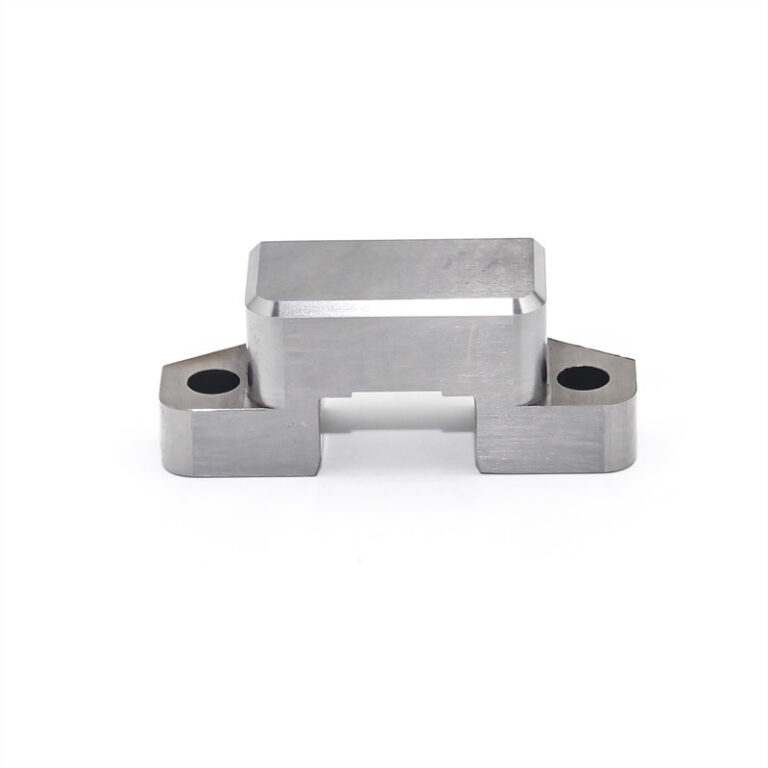
In today’s competitive manufacturing landscape, precision and efficiency play a major role in product quality. This is why aluminum cnc machining has become one of the most preferred production methods across various industries. From aerospace and automotive components to electronics and medical equipment, manufacturers rely on advanced machining techniques to create accurate and durable parts.
As industries continue to demand tighter tolerances and faster production cycles, businesses need reliable manufacturing partners. Newtop Industry Group has built a strong reputation by delivering high-quality machining solutions that meet modern engineering requirements. Through advanced technology and experienced engineering teams, the company helps clients achieve consistent production outcomes.
What Is Aluminum CNC Machining?
Aluminum cnc machining is a manufacturing process that uses computer-controlled cutting tools to shape aluminum into precise components. CNC stands for Computer Numerical Control, which means machines follow programmed instructions to perform cutting, drilling, milling, and turning operations with exceptional accuracy.
Because aluminum is lightweight, strong, and easy to machine, it has become a preferred material for many industrial applications.
Key characteristics of aluminum include:
- Excellent strength-to-weight ratio
- Corrosion resistance
- High thermal conductivity
- Good electrical conductivity
- Easy machinability
- Recyclability
These advantages make aluminum suitable for both simple and highly complex components.
Why Aluminum Is a Popular Material for CNC Machining
Many metals can be machined, but aluminum offers unique benefits that make it stand out.
Lightweight Yet Strong
Aluminum weighs significantly less than steel while maintaining impressive structural strength. This feature makes it ideal for industries where weight reduction is critical.
Examples include:
- Aircraft components
- Automotive parts
- Robotics equipment
- Consumer electronics
Excellent Machinability
Compared to harder metals, aluminum is easier to cut and shape. As a result, manufacturers can achieve:
- Faster production speeds
- Better surface finishes
- Lower tool wear
- Reduced production costs
This efficiency makes aluminum cnc machining a practical solution for both prototypes and large production runs.
Corrosion Resistance
Aluminum naturally forms a protective oxide layer that helps prevent corrosion. Therefore, components can perform reliably even in challenging environments.
Sustainability Benefits
Modern industries increasingly focus on environmental responsibility. Aluminum is highly recyclable, making it an eco-friendly material choice for manufacturers seeking sustainable production methods.
Common CNC Machining Processes for Aluminum
Different projects require different machining methods. The most commonly used CNC processes include:
CNC Milling
CNC milling removes material using rotating cutting tools. It is ideal for producing:
- Complex geometries
- Precision slots
- Holes and pockets
- Custom shapes
Milling is widely used in aluminum cnc machining because it provides excellent dimensional accuracy.
CNC Turning
Turning involves rotating the workpiece while a cutting tool removes material.
This process is commonly used for:
- Shafts
- Bushings
- Cylindrical components
- Connectors
CNC Drilling
Drilling creates precise holes with consistent depth and diameter. Industries often use this process when manufacturing assembly-ready components.
Multi-Axis Machining
Advanced multi-axis machines can move in multiple directions simultaneously.
Benefits include:
- Greater design flexibility
- Reduced setup times
- Improved precision
- Faster production
Newtop Industry Group utilizes advanced machining technologies to handle complex manufacturing requirements efficiently.
Industries That Use Aluminum CNC Machining
The versatility of aluminum makes it suitable for many sectors.
Aerospace Industry
Aircraft manufacturers require components that are both lightweight and strong.
Common applications include:
- Structural brackets
- Aircraft housings
- Engine components
- Interior fittings
Precision is critical because even minor errors can affect performance and safety.
Automotive Industry
Automotive manufacturers use aluminum to reduce vehicle weight and improve fuel efficiency.
Typical components include:
- Engine parts
- Transmission housings
- Suspension components
- Custom performance parts
Electronics Industry
Many electronic devices rely on aluminum due to its thermal conductivity and durability.
Examples include:
- Heat sinks
- Device enclosures
- Mounting brackets
- Control panels
Medical Equipment
Medical devices require exceptional precision and reliability.
Common applications include:
- Surgical instruments
- Diagnostic equipment parts
- Medical housings
- Laboratory components
Industrial Equipment
Industrial machinery often depends on machined aluminum components for durability and operational efficiency.
Advantages of Aluminum CNC Machining
Manufacturers choose aluminum cnc machining for several reasons beyond material properties alone.
High Precision
Modern CNC equipment can achieve extremely tight tolerances, ensuring every component meets exact specifications.
Benefits include:
- Consistent quality
- Improved product performance
- Reduced assembly issues
- Better customer satisfaction
Faster Production
Automated CNC systems significantly reduce production time compared to traditional machining methods.
As a result, businesses can bring products to market faster.
Cost Efficiency
Although precision manufacturing requires advanced equipment, aluminum’s machinability helps reduce:
- Labor costs
- Tool replacement expenses
- Production time
- Material waste
Scalability
Whether producing a single prototype or thousands of components, aluminum cnc machining offers scalable manufacturing solutions.
Factors That Influence Machining Quality
Several elements determine the final quality of machined aluminum parts.
Material Grade Selection
Different aluminum grades provide different performance characteristics.
Popular grades include:
- 6061 Aluminum
- 7075 Aluminum
- 5052 Aluminum
- 2024 Aluminum
Choosing the correct grade ensures optimal performance for the intended application.
Machine Accuracy
Modern CNC equipment plays a vital role in achieving consistent quality.
Advanced machines offer:
- Better repeatability
- Reduced errors
- Improved surface finish
- Higher productivity
Tooling Quality
Cutting tools directly impact machining performance.
Proper tooling helps achieve:
- Smooth finishes
- Accurate dimensions
- Longer tool life
- Faster production cycles
Skilled Engineering Support
Even the best equipment requires experienced engineers and programmers.
Newtop Industry Group combines advanced machinery with technical expertise to deliver reliable manufacturing solutions.
How to Choose the Right Aluminum CNC Machining Partner
Selecting a manufacturing partner can significantly affect project success.
When evaluating suppliers, consider the following:
Technical Capabilities
Look for companies that offer:
- Multi-axis machining
- Advanced inspection systems
- Prototype development
- Production scaling
Quality Control Systems
Strong quality management procedures ensure consistent production results.
Important quality measures include:
- Dimensional inspections
- Material verification
- Process monitoring
- Final product testing
Industry Experience
Experienced manufacturers understand industry-specific requirements and can provide valuable engineering support throughout production.
Customer Support
Effective communication improves project outcomes and minimizes delays.
A reliable partner should provide:
- Responsive service
- Project updates
- Engineering consultation
- Production transparency
Future Trends in Aluminum CNC Machining
Manufacturing technology continues to evolve rapidly.
Several trends are shaping the future of aluminum cnc machining:
Increased Automation
Automation improves productivity while reducing human error.
Smart Manufacturing
Connected systems allow manufacturers to monitor production in real time and make data-driven improvements.
Enhanced Precision
Advanced machine technologies continue to push the limits of machining accuracy.
Sustainable Manufacturing
Companies increasingly focus on reducing waste, improving energy efficiency, and utilizing recyclable materials.
Newtop Industry Group remains committed to adopting innovative manufacturing technologies that help customers stay competitive in evolving markets.
Conclusion
Aluminum cnc machining has become an essential manufacturing solution for industries that demand precision, durability, and efficiency. Its combination of lightweight properties, excellent machinability, and cost-effectiveness makes aluminum one of the most versatile materials available today.
From aerospace and automotive applications to electronics and medical equipment, businesses depend on accurately machined aluminum components to maintain product quality and performance. By partnering with an experienced manufacturer, companies can achieve reliable production outcomes while meeting strict industry standards.
Newtop Industry Group continues to support businesses with advanced machining capabilities, quality-focused manufacturing processes, and expert engineering assistance. Whether you need prototypes or large-scale production, the company can help transform your design concepts into precision-engineered components that meet your exact requirements.