
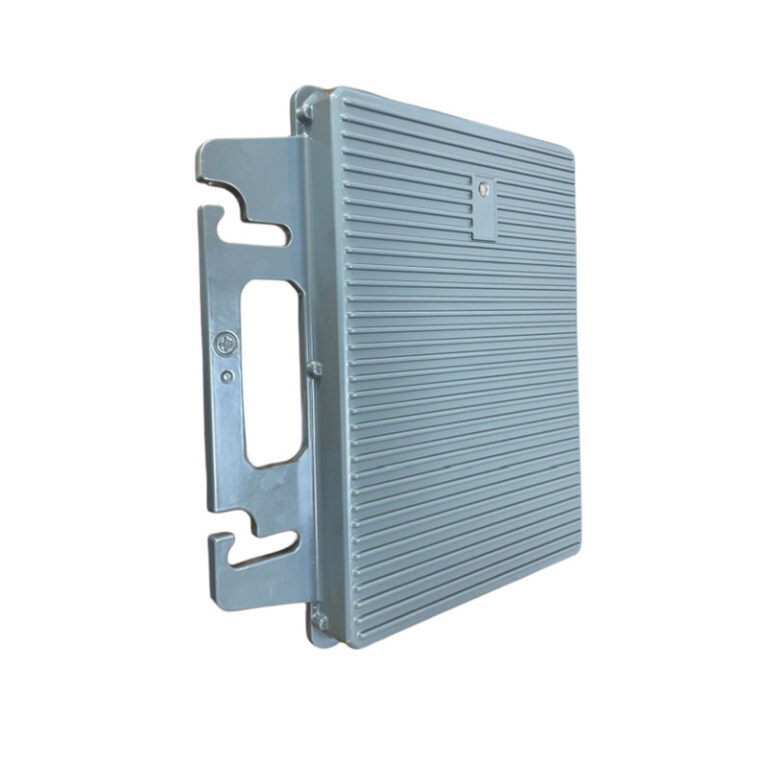
In today’s competitive manufacturing environment, quality and accuracy are more important than ever. Businesses across industries depend on precision metal products to achieve reliable performance, consistent production, and long-lasting durability. From automotive components to industrial machinery, accurately manufactured metal parts play a vital role in maintaining operational excellence.
Newtop Industry Group understands the growing demand for high-quality metal components that meet strict industry standards. With advanced production technologies and extensive manufacturing expertise, the company helps businesses obtain dependable solutions for complex engineering requirements.
As manufacturing continues to evolve, organizations are increasingly investing in precision-engineered components that reduce waste, improve efficiency, and support product innovation. This article explores the importance, applications, benefits, and future trends of precision metal products in modern industries.
Understanding Precision Metal Products
What Are Precision Metal Products?
Precision metal products are metal components manufactured with extremely tight tolerances and exact specifications. These products are designed to meet detailed engineering requirements while ensuring consistency and reliability throughout production.
Unlike standard metal parts, precision-engineered components undergo advanced machining, fabrication, cutting, forming, and finishing processes to achieve superior accuracy.
Common examples include:
- Industrial machine components
- Automotive parts
- Aerospace fittings
- Medical equipment components
- Electronic enclosures
- Custom-engineered assemblies
Because these products must perform flawlessly, manufacturers use sophisticated technologies to ensure every dimension meets design requirements.
Why Precision Matters in Manufacturing
Accuracy directly impacts product performance. Even a minor deviation can affect assembly, safety, and functionality.
For example:
- Automotive systems require exact-fit components.
- Aerospace applications demand strict tolerances.
- Medical devices rely on highly accurate metal parts.
- Industrial equipment needs durable and consistent components.
Therefore, precision manufacturing helps reduce errors while improving product reliability.
The Manufacturing Process Behind High-Quality Metal Components
Material Selection
The manufacturing journey begins with selecting the right material. Different industries require different metals depending on performance expectations.
Common materials include:
Stainless Steel
Stainless steel offers:
- Corrosion resistance
- High strength
- Long service life
- Easy maintenance
Aluminum
Aluminum is preferred because it provides:
- Lightweight performance
- Excellent machinability
- Corrosion resistance
- Cost efficiency
Carbon Steel
Carbon steel is widely used for:
- Structural applications
- Heavy-duty machinery
- Industrial fabrication
Brass and Copper
These materials are ideal for:
- Electrical applications
- Decorative components
- Specialized industrial uses
Newtop Industry Group carefully evaluates material requirements before production to ensure optimal performance and durability.
Precision Machining
Precision machining is one of the most important stages in manufacturing.
Modern CNC equipment allows manufacturers to create complex parts with exceptional accuracy. Computer-controlled systems eliminate many manual errors while improving consistency.
Benefits of CNC machining include:
- High repeatability
- Faster production
- Reduced material waste
- Improved dimensional accuracy
As a result, manufacturers can produce high-quality precision metal products efficiently and cost-effectively.
Metal Fabrication Techniques
Several fabrication methods contribute to creating precision components.
Laser Cutting
Laser cutting provides:
- Clean edges
- Accurate dimensions
- Minimal material waste
Sheet Metal Forming
This process helps create:
- Enclosures
- Panels
- Structural components
Welding and Assembly
Professional welding ensures:
- Structural integrity
- Long-term durability
- Consistent quality
These processes work together to create finished products that meet demanding industry requirements.
Key Benefits of Precision Metal Products
Superior Product Quality
One major advantage of precision metal products is consistent quality.
Every component is manufactured according to exact specifications, reducing defects and improving overall product performance.
This consistency helps businesses:
- Minimize production errors
- Improve customer satisfaction
- Maintain product reliability
Improved Operational Efficiency
When components fit correctly, assembly processes become smoother.
Benefits include:
- Faster installation
- Reduced downtime
- Better equipment performance
- Lower maintenance requirements
Consequently, businesses can achieve higher productivity and lower operating costs.
Enhanced Durability
Precision-manufactured components are designed to withstand demanding conditions.
Whether used in industrial machinery or transportation systems, these products offer:
- High wear resistance
- Structural stability
- Longer service life
This durability reduces replacement costs over time.
Cost Savings
Although precision manufacturing may require advanced technology, it often reduces long-term expenses.
Organizations save money through:
- Lower rejection rates
- Reduced material waste
- Fewer repairs
- Improved efficiency
Therefore, investing in quality components often delivers significant returns.
Industries That Depend on Precision Metal Products
Automotive Industry
The automotive sector relies heavily on precision metal products for safety, performance, and reliability.
Examples include:
- Engine components
- Brake system parts
- Transmission assemblies
- Structural supports
Accurate manufacturing helps vehicles operate efficiently while meeting strict quality standards.
Aerospace Industry
Aerospace applications require exceptional precision.
Even small dimensional errors can affect safety and performance.
Precision-engineered parts are commonly used in:
- Aircraft structures
- Engine systems
- Fasteners
- Control mechanisms
Because of these requirements, manufacturers must maintain extremely tight tolerances.
Medical Equipment Manufacturing
Medical devices demand precision, cleanliness, and reliability.
Applications include:
- Surgical instruments
- Diagnostic equipment
- Medical device housings
- Laboratory components
High-quality manufacturing ensures patient safety and product effectiveness.
Electronics Industry
Electronic products contain numerous metal components that require exact dimensions.
Examples include:
- Connectors
- Shielding components
- Heat sinks
- Enclosures
Precision manufacturing helps maintain functionality and product quality.
Industrial Machinery
Heavy industrial equipment uses durable metal components for continuous operation.
These include:
- Machine frames
- Gears
- Brackets
- Custom assemblies
Reliable manufacturing supports operational efficiency and equipment longevity.
How Precision Manufacturing Supports Sustainability
Reduced Material Waste
Modern manufacturing technologies optimize material usage.
Advanced cutting and machining systems reduce scrap while improving production efficiency.
As a result, manufacturers consume fewer resources.
Energy-Efficient Production
New equipment and automation systems help reduce energy consumption during production.
Many facilities now adopt sustainable manufacturing practices to lower environmental impact.
Longer Product Lifespan
Durable precision metal products require fewer replacements.
This extended lifespan reduces waste while supporting environmental sustainability goals.
Choosing the Right Manufacturing Partner
Selecting a trusted manufacturing partner is critical for achieving quality results.
When evaluating suppliers, consider the following factors:
Technical Expertise
Look for companies with extensive experience in precision manufacturing.
Experienced teams can:
- Solve engineering challenges
- Recommend suitable materials
- Improve production efficiency
Advanced Technology
Modern manufacturing requires advanced equipment.
Capabilities should include:
- CNC machining
- Laser cutting
- Sheet metal fabrication
- Quality inspection systems
Quality Assurance
Reliable manufacturers implement strict quality control procedures.
Quality assurance should include:
- Material verification
- Dimensional inspections
- Process monitoring
- Final product testing
Custom Manufacturing Capabilities
Many industries require custom-designed solutions.
A capable manufacturer should offer:
- Prototype development
- Custom fabrication
- Engineering support
- Flexible production volumes
Newtop Industry Group combines advanced technology, manufacturing expertise, and quality-focused processes to deliver dependable metal solutions for customers worldwide.
Future Trends in Precision Metal Manufacturing
Automation and Smart Manufacturing
Industry 4.0 technologies are transforming manufacturing processes.
Smart systems now provide:
- Real-time monitoring
- Predictive maintenance
- Automated quality control
- Improved efficiency
These innovations continue to improve product consistency and production speed.
Advanced Materials
Manufacturers are increasingly using specialized materials that offer:
- Greater strength
- Reduced weight
- Better corrosion resistance
- Improved performance
These materials expand possibilities for innovative product development.
Increased Customization
Customers increasingly require tailored solutions.
As demand grows, manufacturers are investing in flexible production systems capable of producing highly customized precision metal products without sacrificing quality.
Conclusion
Modern industries depend on precision metal products to achieve reliability, efficiency, and long-term performance. From automotive and aerospace applications to medical devices and industrial equipment, precision-engineered components play a critical role in product success.
As manufacturing standards continue to rise, businesses must partner with experienced suppliers that understand quality, innovation, and customer requirements. Through advanced manufacturing technologies, rigorous quality control, and a commitment to excellence, Newtop Industry Group delivers solutions designed to meet the evolving needs of global industries. Organizations seeking dependable metal manufacturing solutions can benefit from the expertise, precision, and customer-focused approach that Newtop Industry Group brings to every project.