
Manufacturing has changed significantly during the last decade. Industries now demand stronger materials, tighter tolerances, and faster production cycles. As a result, precision engineering has become a critical requirement rather than an optional advantage.
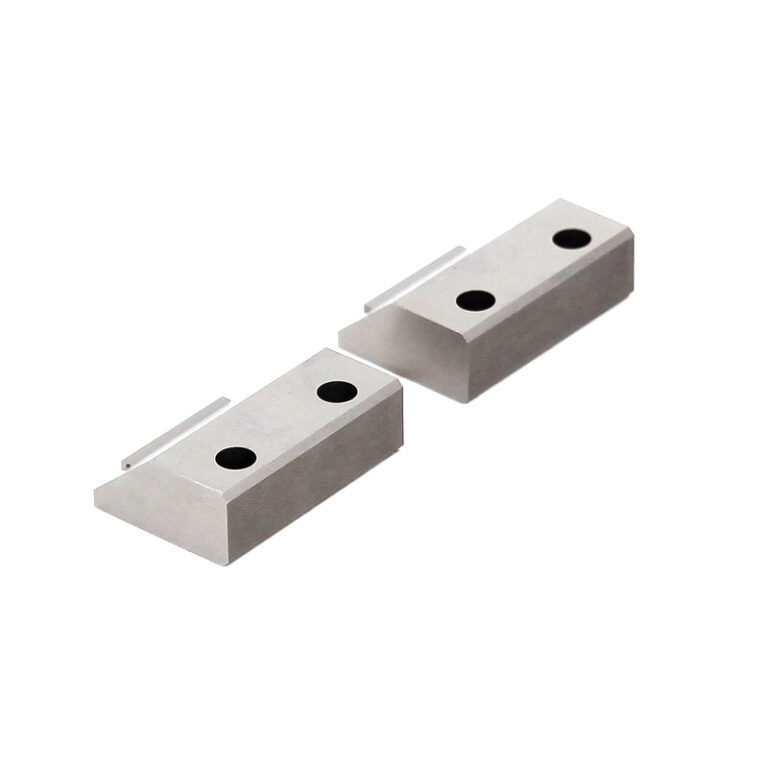
One manufacturing solution that continues to gain attention is stainless steel cnc parts production. These components offer excellent corrosion resistance, outstanding durability, and remarkable dimensional accuracy. Consequently, manufacturers across aerospace, medical, automotive, electronics, and industrial sectors increasingly rely on CNC-machined stainless steel components.
Newtop Industry Group understands these changing market requirements and continues to deliver precision manufacturing solutions for businesses that require high-quality metal components. Through advanced engineering techniques and modern production systems, the company supports industries that depend on reliable and consistent manufacturing.
This article explores the importance of stainless steel cnc parts, their manufacturing process, benefits, applications, and the factors companies should consider when selecting a manufacturing partner.
What Are Stainless Steel CNC Parts?
Stainless steel cnc parts are components manufactured through Computer Numerical Control (CNC) machining using stainless steel materials. CNC technology uses computerized programming to control machine tools and remove material with exceptional precision.
Unlike traditional machining methods, CNC manufacturing automates the entire process. Therefore, manufacturers can achieve:
- Better dimensional accuracy
- Consistent production quality
- Faster manufacturing cycles
- Reduced material waste
- Improved repeatability
Stainless steel itself contains chromium, which creates a protective layer that prevents corrosion. Because of this characteristic, it has become one of the most widely used engineering materials worldwide.
Why Stainless Steel Is an Ideal Material for CNC Machining
Many engineering materials are available today. However, stainless steel continues to stand out because of its unique combination of mechanical and chemical properties.
Exceptional Corrosion Resistance
Corrosion can significantly reduce the lifespan of mechanical components.
Stainless steel resists:
- Moisture
- Chemicals
- Salt exposure
- Extreme weather conditions
Consequently, manufacturers often choose stainless steel for outdoor equipment, marine applications, and medical devices.
High Strength and Durability
Strength is another important factor.
Stainless steel maintains its structural integrity under high pressure and heavy loads. As a result, it performs exceptionally well in demanding industrial environments.
Excellent Temperature Resistance
Many industries operate in extremely hot or cold conditions.
Fortunately, stainless steel can withstand substantial temperature variations without losing its mechanical properties.
Attractive Surface Finish
Appearance also matters.
Many manufacturers select stainless steel because it provides a smooth and professional finish. Therefore, it is commonly used in consumer products, medical equipment, and architectural applications.
How CNC Machining Produces Stainless Steel Components
The manufacturing process follows several carefully planned stages.
Design and Engineering
Everything begins with a digital design.
Engineers create three-dimensional models using CAD software. These designs specify:
- Dimensions
- Tolerances
- Surface requirements
- Material specifications
CNC Programming
After completing the design, engineers convert the CAD model into machine instructions.
CAM software generates a program that controls:
- Cutting speed
- Tool movement
- Tool selection
- Machining paths
Material Preparation
Manufacturers then select the appropriate stainless steel grade.
Common choices include:
- 304 stainless steel
- 316 stainless steel
- 410 stainless steel
- 420 stainless steel
Each grade offers different mechanical properties and corrosion resistance levels.
Precision Machining
CNC machines begin removing material according to programmed instructions.
Several machining operations may be performed, including:
- Milling
- Turning
- Drilling
- Boring
- Threading
Quality Inspection
Finally, manufacturers inspect every component.
Inspection procedures may include:
- Dimensional verification
- Surface analysis
- Mechanical testing
- Visual inspection
Newtop Industry Group follows strict quality standards to ensure every component meets customer expectations.
Major Advantages of CNC-Machined Stainless Steel Components
Superior Precision
Modern industries cannot tolerate manufacturing errors.
CNC machines achieve extremely tight tolerances, which reduces assembly problems and improves product reliability.
Better Production Efficiency
Automation significantly improves manufacturing efficiency.
Because machines operate with minimal human intervention, production becomes faster and more consistent.
Reduced Material Waste
Material costs continue to increase.
Fortunately, CNC technology optimizes cutting paths and reduces unnecessary waste. Therefore, manufacturers can improve cost efficiency while maintaining quality.
Scalability
Production requirements vary from one business to another.
CNC machining supports:
- Prototype development
- Small production runs
- Large-scale manufacturing
This flexibility makes CNC technology suitable for companies of every size.
Improved Product Consistency
Consistency directly affects product performance.
Since every machining operation follows the same programmed instructions, manufacturers can maintain identical specifications across thousands of components.
Industries That Depend on Stainless Steel CNC Components
Many industries rely on precision machining because standard manufacturing methods cannot provide the required accuracy.
Aerospace Industry
Aircraft components must meet strict safety requirements.
Common aerospace applications include:
- Structural brackets
- Engine components
- Fasteners
- Hydraulic system parts
Medical Industry
Medical equipment requires exceptional precision and cleanliness.
Examples include:
- Surgical instruments
- Orthopedic implants
- Diagnostic equipment
- Medical device components
Automotive Industry
The automotive sector continuously seeks stronger and lighter components.
Stainless steel parts are frequently used in:
- Exhaust systems
- Engine assemblies
- Fuel systems
- Transmission components
Food Processing Industry
Food production equipment must resist contamination and corrosion.
Manufacturers commonly use stainless steel in:
- Mixing equipment
- Storage systems
- Conveyor components
- Packaging machinery
Electronics Industry
Miniaturization has transformed the electronics sector.
Consequently, manufacturers require precision-machined parts for:
- Device housings
- Connectors
- Specialized assemblies
Choosing the Right Stainless Steel Grade
Material selection directly influences performance.
304 Stainless Steel
This grade is popular because it offers:
- Good corrosion resistance
- Excellent weldability
- Affordable pricing
316 Stainless Steel
Manufacturers often select 316 stainless steel for harsh environments because it provides:
- Superior chemical resistance
- Better marine performance
- Greater durability
410 Stainless Steel
410 stainless steel offers:
- Higher strength
- Good wear resistance
- Better hardness
Selecting the correct material requires careful evaluation of environmental conditions, mechanical requirements, and budget considerations.
Important Factors When Selecting a CNC Manufacturing Partner
Not every manufacturer provides the same level of expertise.
Before choosing a production partner, businesses should evaluate several important factors.
Technical Expertise
Experience matters.
Manufacturers should demonstrate a proven record of producing precision components across multiple industries.
Quality Control Systems
Quality assurance should never be compromised.
Look for manufacturers that perform comprehensive inspections throughout the production process.
Manufacturing Capabilities
Advanced equipment improves production quality.
Evaluate whether the manufacturer offers:
- Modern CNC machinery
- Multi-axis machining
- Prototyping services
- Custom manufacturing solutions
Material Knowledge
Different stainless steel grades require different machining strategies.
Manufacturers with extensive material expertise can recommend the most suitable solutions.
Production Flexibility
Business requirements frequently change.
Therefore, manufacturers should support both small and large production volumes.
Newtop Industry Group combines technical expertise, advanced equipment, and customer-focused manufacturing to deliver customized engineering solutions for diverse industries.
Future Trends in Stainless Steel CNC Manufacturing
Technology continues to evolve.
Several trends are shaping the future of CNC machining.
Automation and Smart Manufacturing
Manufacturing facilities increasingly integrate:
- Robotics
- Artificial intelligence
- Real-time monitoring
- Automated inspection systems
Greater Precision Requirements
Industries continue to demand tighter tolerances.
As a result, manufacturers are investing in more sophisticated CNC equipment.
Sustainable Manufacturing
Environmental responsibility has become a major priority.
Manufacturers now focus on:
- Energy efficiency
- Material recycling
- Reduced waste
- Sustainable production practices
Digital Manufacturing Integration
Digital technologies improve communication between design and production teams.
Consequently, manufacturing becomes faster, more efficient, and more accurate.
Conclusion
Precision manufacturing is no longer limited to specialized industries. Today, businesses across multiple sectors require durable, accurate, and cost-effective components to remain competitive.
Because of their exceptional strength, corrosion resistance, and long-term reliability, stainless steel cnc parts continue to play a critical role in modern manufacturing. Furthermore, CNC technology allows manufacturers to achieve outstanding accuracy while improving production efficiency.Newtop Industry Group remains committed to delivering high-quality engineering solutions that meet the evolving demands of global industries. If your business requires dependable stainless steel manufacturing solutions, partnering with an experienced manufacturer can help you achieve better performance, improved product quality, and long-term success.