
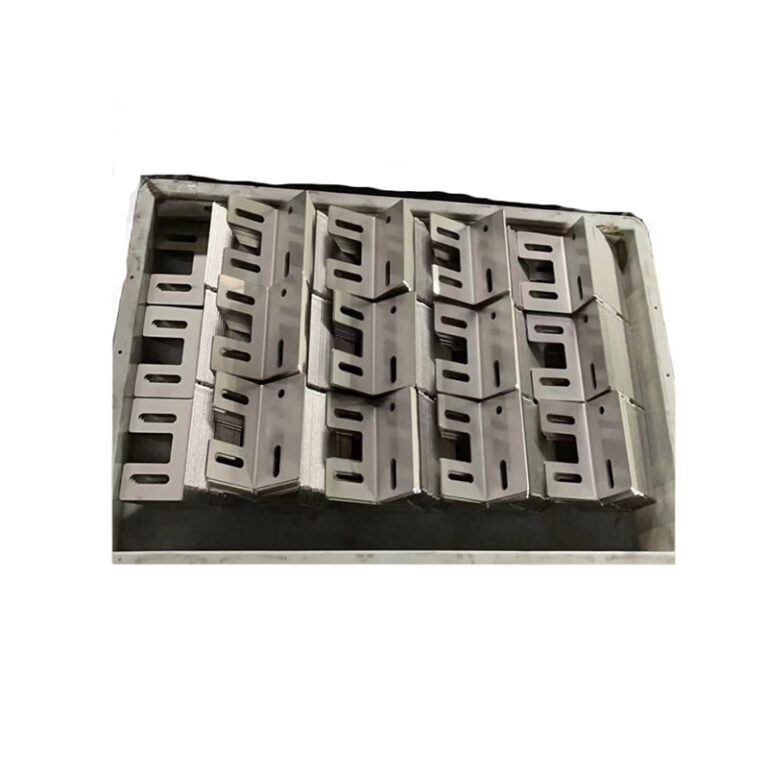
In today’s competitive manufacturing environment, businesses need components that match exact specifications, performance requirements, and quality standards. This is where custom metal fabrication plays a critical role. Instead of relying on standard off-the-shelf parts, companies can create metal products tailored to their unique applications.
From construction and transportation to energy and industrial machinery, fabricated metal components support countless industries worldwide. As manufacturing technologies continue to advance, organizations increasingly seek fabrication partners that can deliver precision, consistency, and efficiency.
Newtop Industry Group understands these evolving industry demands. By combining modern production capabilities with strict quality control, the company helps businesses obtain durable and reliable fabricated metal products designed for long-term performance.
Understanding Custom Metal Fabrication
Custom metal fabrication is the process of designing, cutting, shaping, assembling, and finishing metal materials according to specific customer requirements. Unlike mass-produced components, custom-fabricated parts are created to meet exact dimensions, performance standards, and operational needs.
The fabrication process transforms raw metal sheets, tubes, bars, and structural materials into finished products that serve a wide range of purposes.
Common metals used in fabrication include:
- Stainless steel
- Carbon steel
- Aluminum
- Copper
- Brass
- Galvanized steel
Each material offers unique advantages, making it suitable for different industrial applications.
Why Businesses Choose Custom Metal Fabrication
Companies often require specialized parts that standard products cannot provide. Custom fabrication offers flexibility, allowing manufacturers to create components that align perfectly with project requirements.
Some key benefits include:
Precise Specifications
Custom fabrication ensures every component matches exact measurements and engineering requirements. This reduces installation issues and improves operational efficiency.
Enhanced Product Performance
Tailor-made metal components often perform better because they are designed specifically for their intended environment and application.
Greater Design Flexibility
Businesses can modify dimensions, shapes, materials, and finishes according to project needs without being limited by standard product sizes.
Improved Durability
Fabricated components can be engineered to withstand harsh operating conditions, including high temperatures, heavy loads, and corrosive environments.
Cost Efficiency Over Time
Although initial fabrication costs may vary, customized solutions often reduce maintenance expenses, replacement frequency, and operational downtime.
The Main Stages of the Metal Fabrication Process
A successful custom metal fabrication project involves several carefully managed steps.
Design and Engineering
The process begins with detailed drawings and technical specifications. Engineers evaluate requirements, select materials, and determine the most efficient manufacturing approach.
Important considerations include:
- Load requirements
- Environmental conditions
- Material properties
- Manufacturing feasibility
- Budget constraints
Material Selection
Choosing the right metal is essential. Different industries prioritize factors such as strength, corrosion resistance, weight, and thermal performance.
For example:
- Stainless steel offers excellent corrosion resistance.
- Aluminum provides lightweight strength.
- Carbon steel delivers durability and affordability.
Cutting Operations
Modern fabrication facilities use advanced cutting methods, such as:
- Laser cutting
- Plasma cutting
- Waterjet cutting
- Mechanical cutting
These technologies ensure accuracy while minimizing material waste.
Forming and Bending
After cutting, materials are shaped using specialized machinery. Press brakes and forming equipment help achieve precise angles and dimensions.
Welding and Assembly
Components are joined using various welding techniques depending on material type and application requirements.
Common methods include:
- TIG welding
- MIG welding
- Spot welding
- Arc welding
Surface Finishing
Finishing improves appearance, durability, and corrosion resistance.
Popular finishing options include:
- Powder coating
- Painting
- Polishing
- Sandblasting
- Galvanizing
Quality Inspection
Before delivery, fabricated components undergo rigorous inspections to ensure compliance with design specifications and industry standards.
Industries That Depend on Custom Metal Fabrication
Many sectors rely on fabricated metal products to maintain operational efficiency and product quality.
Construction Industry
Construction projects require structural steel components, frames, brackets, railings, and support systems.
Benefits include:
- High structural integrity
- Long service life
- Design flexibility
Automotive Manufacturing
Vehicle manufacturers use fabricated metal parts in chassis systems, body structures, brackets, and specialized assemblies.
Energy and Power Generation
Energy facilities require durable metal components capable of operating under demanding conditions.
Applications include:
- Power plant structures
- Equipment housings
- Pipeline systems
- Support frameworks
Industrial Machinery
Machinery manufacturers often need highly customized metal components to support complex equipment designs.
Agriculture
Agricultural equipment relies on fabricated metal structures that can withstand continuous use in challenging environments.
How Technology Has Improved Metal Fabrication
The fabrication industry has evolved significantly over the past decade. Advanced technologies now enable greater precision, faster production, and improved consistency.
Modern fabrication facilities use:
- CNC machining systems
- Automated welding equipment
- CAD design software
- Robotics
- Advanced quality control systems
These innovations help manufacturers achieve tighter tolerances and more reliable results.
Newtop Industry Group continuously follows modern manufacturing practices to support customers seeking high-quality fabricated solutions for diverse industrial applications.
Choosing the Right Fabrication Partner
Selecting a fabrication provider is an important business decision. The right partner can influence product quality, delivery timelines, and overall project success.
When evaluating a fabrication company, consider the following:
Technical Expertise
Look for a provider with experience handling complex fabrication projects and multiple material types.
Manufacturing Capabilities
A capable fabrication facility should offer:
- Precision cutting
- Forming services
- Welding solutions
- Finishing options
- Quality inspection processes
Quality Standards
Consistent quality control helps ensure fabricated components meet specifications and perform reliably.
Project Management
Strong communication and project coordination contribute to smoother production and timely delivery.
Scalability
The ideal fabrication partner should be able to support both small custom projects and large-volume production requirements.
Sustainability in Modern Metal Fabrication
Sustainability has become an important consideration across the manufacturing sector.
Many fabrication companies are adopting environmentally responsible practices such as:
- Recycling scrap metal
- Reducing material waste
- Improving energy efficiency
- Using advanced production technologies
- Optimizing supply chain management
These initiatives help reduce environmental impact while supporting long-term operational efficiency.
Newtop Industry Group recognizes the importance of responsible manufacturing and continually works toward efficient production practices that benefit customers and industry alike.
Future Trends in Custom Metal Fabrication
The future of custom metal fabrication will be shaped by technological innovation and increasing customer expectations.
Emerging trends include:
- Smart manufacturing systems
- Industry 4.0 integration
- AI-assisted production planning
- Advanced robotics
- Real-time quality monitoring
- Digital engineering workflows
These developments will continue to improve production accuracy, reduce lead times, and enhance manufacturing flexibility.
Businesses that embrace modern fabrication solutions will be better positioned to compete in rapidly changing markets.
Conclusion
As industries continue to demand greater precision, efficiency, and product reliability, custom metal fabrication remains an essential part of modern manufacturing. From design flexibility and superior performance to long-term cost savings, custom-fabricated components provide significant advantages across numerous sectors.
By leveraging advanced technologies, skilled engineering, and strict quality standards, manufacturers can produce components that meet exact operational requirements while maintaining consistent performance. Newtop Industry Group is committed to supporting businesses with dependable fabrication solutions tailored to evolving industrial needs. Whether your project requires specialized components, structural assemblies, or precision-engineered metal products, partnering with an experienced fabrication provider can help ensure successful results. Contact Newtop Industry Group to learn more about customized fabrication solutions that align with your production goals.