
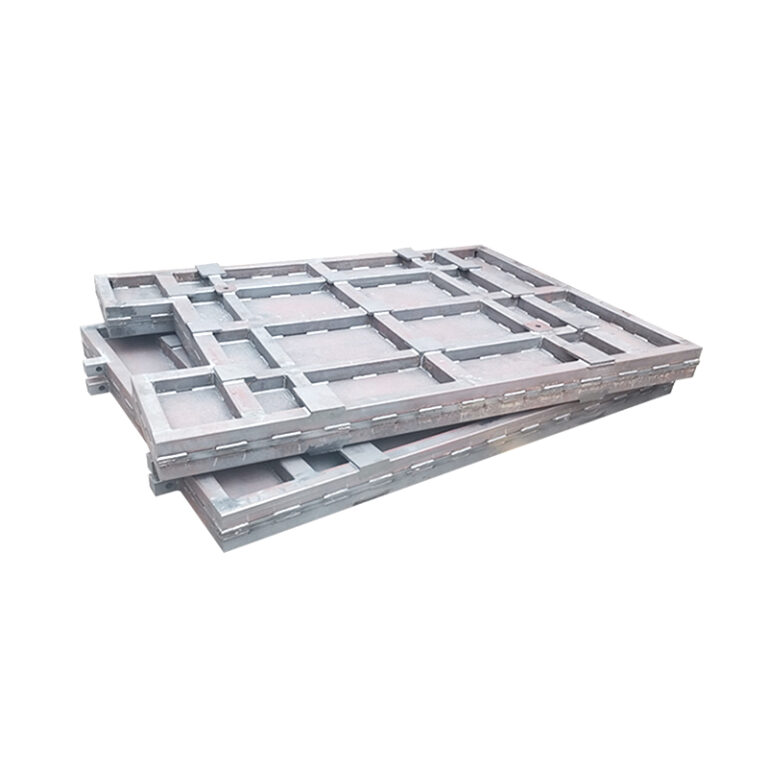
Manufacturing industries rely on strong, durable, and precisely engineered components to create reliable products. One of the most important processes behind these products is metal fabrication. From industrial machinery and automotive parts to construction materials and custom equipment, fabricated metal components play a critical role in everyday life.
At Newtop Industry Group, advanced manufacturing capabilities and engineering expertise help businesses achieve high-quality results through precision fabrication solutions. As industries continue to evolve, the demand for efficient, cost-effective, and customized metal components continues to grow.
In this article, we will explore what metal fabrication is, how it works, its major benefits, and why it remains essential for modern manufacturing.
What Is Metal Fabrication?
Metal fabrication is the process of transforming raw metal materials into finished products, components, or structures through cutting, bending, welding, assembling, and finishing techniques.
Unlike simple machining processes, fabrication often involves multiple manufacturing stages that convert sheets, tubes, rods, and metal plates into functional products.
The process can be used with various materials, including:
- Stainless steel
- Carbon steel
- Aluminum
- Copper
- Brass
- Titanium
As a result, fabricated metal parts can be tailored to meet specific performance, strength, and design requirements.
Why Metal Fabrication Matters in Modern Manufacturing
Modern industries require products that are both durable and precise. Consequently, fabrication services help manufacturers produce complex components while maintaining tight tolerances.
Some key reasons why fabrication is important include:
- Improved product strength
- Consistent quality control
- Faster production timelines
- Cost-effective manufacturing
- Custom design flexibility
- Scalability for large-volume production
Because of these advantages, businesses across multiple sectors depend on fabrication solutions to remain competitive.
Key Processes Used in Metal Fabrication
Fabrication involves several specialized techniques. Each process contributes to creating a finished product that meets exact specifications.
1. Cutting
Cutting is often the first step in fabrication.
Common cutting methods include:
- Laser cutting
- Plasma cutting
- Waterjet cutting
- Mechanical sawing
Laser cutting is especially popular because it offers exceptional accuracy and clean edges.
2. Bending and Forming
After cutting, metal materials are shaped into the required form.
Manufacturers use:
- Press brakes
- Roll forming machines
- Hydraulic bending systems
This process allows flat sheets to become structural parts, brackets, enclosures, and other components.
3. Welding
Welding joins multiple metal pieces into a single structure.
Popular welding techniques include:
- MIG welding
- TIG welding
- Spot welding
- Arc welding
Proper welding ensures strength, durability, and long-term reliability.
4. Machining
Many fabricated parts require additional machining for precise dimensions.
Machining operations may include:
- Drilling
- Milling
- Turning
- Tapping
These processes help achieve exact tolerances and improve component performance.
5. Surface Finishing
Finishing improves both appearance and durability.
Common finishing options include:
- Powder coating
- Sandblasting
- Polishing
- Anodizing
- Painting
Finishing also protects components from corrosion and wear.
Industries That Depend on Metal Fabrication
Fabricated metal products support a wide range of industries.
Construction Industry
Construction projects require fabricated steel beams, structural supports, railings, and architectural components.
Examples include:
- Commercial buildings
- Bridges
- Industrial facilities
- Residential developments
Automotive Industry
Vehicle manufacturers use fabricated components for:
- Chassis systems
- Engine parts
- Exhaust systems
- Safety structures
Precision fabrication contributes to vehicle performance and safety.
Aerospace Industry
The aerospace sector demands extremely accurate and lightweight components.
Fabricated metal parts are used in:
- Aircraft structures
- Engine assemblies
- Support brackets
- Landing gear systems
Energy Sector
Power generation and energy facilities rely on fabricated equipment such as:
- Turbine components
- Pipe systems
- Storage tanks
- Structural supports
Reliable fabrication ensures long-term operational efficiency.
Industrial Equipment Manufacturing
Factories and production facilities require custom fabricated parts for machinery and automation systems.
These components often need high strength and precise dimensions to perform effectively.
Benefits of Choosing Professional Fabrication Services
Working with an experienced manufacturing partner offers significant advantages.
Better Quality Control
Professional manufacturers follow strict inspection procedures throughout production.
As a result, defects are minimized and product consistency improves.
Customization Options
Every project has unique requirements.
Fabrication allows businesses to create components that match specific dimensions, materials, and performance needs.
Cost Efficiency
Efficient fabrication processes reduce waste and optimize material usage.
Therefore, businesses can achieve lower production costs while maintaining quality.
Faster Production
Modern fabrication technologies help manufacturers complete projects more quickly.
This improved speed helps companies meet tight deadlines and market demands.
Long-Term Durability
Properly fabricated metal products offer excellent resistance to:
- Impact
- Corrosion
- Heat
- Wear
This durability reduces maintenance and replacement expenses over time.
How Technology Is Transforming Fabrication
Manufacturing technology continues to advance rapidly.
Today, many fabrication facilities use:
- CNC machinery
- Robotic welding systems
- CAD software
- CAM programming
- Automated inspection equipment
These technologies improve precision, reduce human error, and increase production efficiency.
At Newtop Industry Group, advanced manufacturing systems help deliver reliable components that meet modern industry standards.
Factors to Consider When Selecting a Fabrication Partner
Choosing the right fabrication company is an important business decision.
Before selecting a supplier, consider the following:
Manufacturing Experience
Look for companies with extensive experience handling projects similar to yours.
Quality Standards
Verify whether the manufacturer follows recognized quality control systems and inspection procedures.
Equipment Capabilities
Advanced machinery often leads to better accuracy and faster turnaround times.
Material Expertise
Different projects require different metals.
A knowledgeable fabrication partner can recommend the most suitable materials.
Scalability
Your manufacturing needs may grow over time.
Choose a company capable of supporting both prototype and large-scale production requirements.
Common Challenges in Metal Manufacturing
Although fabrication provides many benefits, manufacturers must also overcome several challenges.
These include:
- Material cost fluctuations
- Tight tolerance requirements
- Complex product designs
- Production scheduling demands
- Quality assurance expectations
Experienced manufacturers address these challenges through efficient planning, advanced equipment, and skilled engineering teams.
Future Trends in Metal Fabrication
The future of fabrication is becoming increasingly technology-driven.
Several trends are shaping the industry:
- Smart manufacturing systems
- Artificial intelligence integration
- Industrial automation
- Sustainable production practices
- Advanced material development
These innovations help manufacturers improve productivity while reducing operational costs and environmental impact.
As global demand for precision-engineered products grows, fabrication technologies will continue to evolve and create new opportunities across industries.
Conclusion
Metal fabrication remains one of the most important processes in modern manufacturing. It enables businesses to create durable, precise, and cost-effective components for construction, automotive, aerospace, energy, and industrial applications.
From cutting and bending to welding and finishing, every stage contributes to producing high-quality products that meet demanding industry standards.
Newtop Industry Group understands the importance of precision, reliability, and manufacturing excellence. Whether businesses require custom components, large-scale production, or advanced engineering support, partnering with an experienced fabrication provider can help achieve long-term success.
To learn more about professional manufacturing solutions and fabrication capabilities, consider exploring the services offered by Newtop Industry Group.