
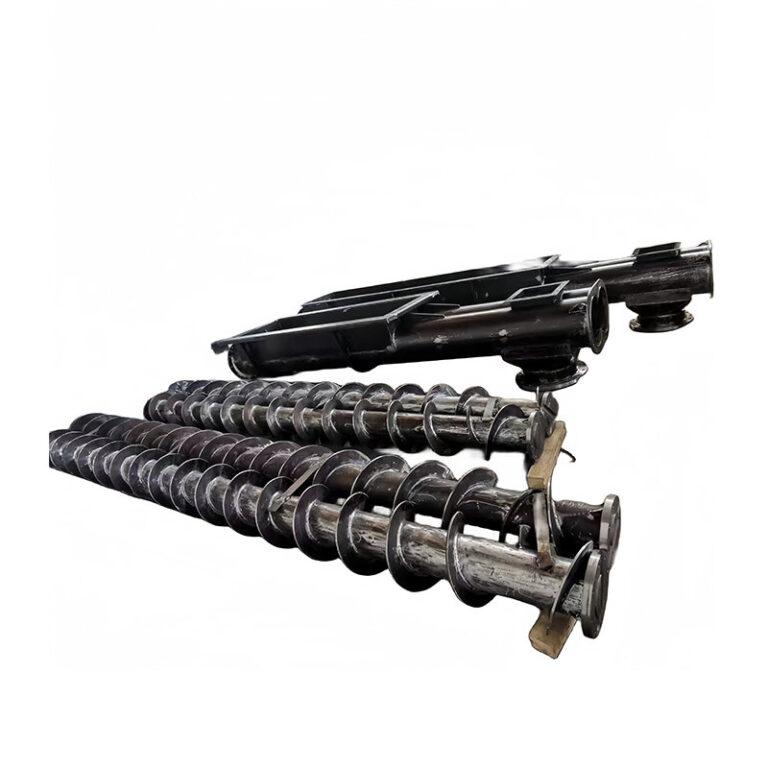
Modern industries depend on precision, durability, and fast production cycles. As a result, metal parts manufacturing has become one of the most important sectors in global production. From automotive systems to construction equipment, high-quality metal components support nearly every industrial operation today.
Newtop Industry Group understands the growing demand for reliable manufacturing solutions. The company continues to deliver advanced production capabilities that help businesses maintain quality, reduce waste, and improve operational efficiency. In today’s competitive market, manufacturers need dependable partners that can meet strict standards while staying flexible with production needs.
This article explains how modern manufacturing methods work, why quality matters, and what businesses should look for when choosing a manufacturing partner.
Understanding Modern Metal Manufacturing
The manufacturing industry has changed significantly over the past decade. Traditional processes are now supported by automation, digital monitoring, and advanced machinery. Because of this shift, companies can now produce complex parts with higher precision and lower error rates.
What Is Metal Parts Manufacturing?
Metal parts manufacturing refers to the process of designing, shaping, cutting, assembling, and finishing metal components for industrial use. These components are used in industries such as:
- Automotive
- Aerospace
- Construction
- Agriculture
- Medical equipment
- Energy production
- Electronics
Manufacturers use different metals depending on the project requirements. Common materials include:
- Stainless steel
- Aluminum
- Copper
- Brass
- Carbon steel
- Titanium
Each material offers unique advantages. For example, aluminum is lightweight and corrosion-resistant, while stainless steel provides exceptional strength and durability.
Why Precision Matters in Manufacturing
Precision directly affects product performance. Even a small dimensional error can lead to equipment failure, safety issues, or expensive delays. Therefore, manufacturers must maintain tight tolerances throughout production.
Newtop Industry Group focuses on precision engineering to ensure every component meets customer specifications. With advanced inspection systems and skilled technicians, the company maintains consistent quality across large production volumes.
Benefits of High-Precision Components
Accurate manufacturing provides several advantages:
- Better product reliability
- Improved equipment performance
- Reduced maintenance costs
- Longer product lifespan
- Higher safety standards
Additionally, precision manufacturing helps reduce material waste, which lowers production costs and supports sustainability goals.
Key Processes Used in Metal Manufacturing
Different projects require different production methods. Modern factories combine several techniques to achieve the desired result.
CNC Machining
CNC machining uses computer-controlled equipment to cut and shape metal parts accurately. This process is ideal for:
- Complex geometries
- Tight tolerances
- High-volume production
- Repeatable precision
Because the machines follow digital instructions, the risk of human error is significantly reduced.
Sheet Metal Fabrication
Sheet metal fabrication involves cutting, bending, and assembling flat metal sheets into finished products. Industries use this process for enclosures, brackets, panels, and structural components.
Common fabrication techniques include:
- Laser cutting
- Punching
- Welding
- Bending
- Stamping
Newtop Industry Group provides advanced fabrication solutions that support both custom and large-scale manufacturing projects.
Casting and Forging
Casting creates parts by pouring molten metal into molds. Forging shapes heated metal using pressure and force. Both methods are widely used for heavy-duty industrial applications.
Forged components usually offer:
- Greater strength
- Better impact resistance
- Improved structural integrity
Meanwhile, casting is often preferred for highly detailed shapes and complex designs.
Industries That Depend on Metal Components
Nearly every major industry depends on reliable metal parts. However, each sector has unique requirements.
Automotive Industry
Vehicle manufacturers require precision parts for engines, suspension systems, transmissions, and safety systems. Durable metal components improve fuel efficiency and vehicle reliability.
Construction Industry
Construction equipment and infrastructure projects rely heavily on steel and aluminum components. Strong metal parts ensure structural stability and long-term durability.
Aerospace Industry
Aircraft components must meet extremely strict standards. Lightweight metals and precision machining help improve performance while maintaining safety.
Medical Equipment
Medical devices require clean, accurate, and corrosion-resistant parts. Stainless steel and titanium are commonly used because of their durability and hygiene benefits.
The Role of Technology in Manufacturing Growth
Technology continues to reshape the future of metal parts manufacturing. Smart production systems now improve speed, accuracy, and quality control.
Automation and Robotics
Automation helps manufacturers increase productivity while reducing labor-intensive tasks. Robotic systems can handle repetitive operations with excellent consistency.
Benefits include:
- Faster production cycles
- Lower operational costs
- Reduced human error
- Improved workplace safety
Digital Quality Control
Modern factories use digital inspection tools to verify dimensions and surface quality. These systems identify defects quickly, helping manufacturers maintain high standards.
Newtop Industry Group integrates advanced quality management practices to ensure reliable results across every production stage.
Sustainable Manufacturing Practices
Sustainability has become a major focus for industrial companies. Manufacturers are now investing in energy-efficient machinery and recyclable materials.
Eco-friendly manufacturing practices include:
- Reducing material waste
- Recycling scrap metal
- Improving energy efficiency
- Lowering emissions
- Using sustainable production methods
As environmental regulations become stricter, sustainable operations will continue to shape the future of the industry.
Choosing the Right Manufacturing Partner
Selecting the right supplier can directly impact product quality and delivery timelines. Therefore, businesses should evaluate manufacturers carefully before making a decision.
Important Factors to Consider
When choosing a manufacturing company, look for:
Experience and Expertise
A skilled manufacturer understands complex production requirements and industry standards.
Advanced Equipment
Modern machinery improves accuracy, efficiency, and consistency.
Quality Assurance
Reliable companies perform strict inspections and testing procedures.
Production Flexibility
Manufacturers should handle both small custom orders and large-scale production runs.
Communication and Support
Clear communication helps avoid delays and misunderstandings during production.
Newtop Industry Group combines technical expertise with modern manufacturing capabilities to support diverse industrial needs worldwide.
Future Trends in Metal Manufacturing
The future of manufacturing will focus on smarter production systems and higher efficiency. Several trends are already influencing the industry.
Smart Factories
Factories are becoming more connected through industrial internet systems and real-time monitoring tools. These technologies help manufacturers track performance and improve decision-making.
Artificial Intelligence in Production
AI-powered systems can analyze production data, predict maintenance needs, and improve manufacturing accuracy. This technology helps reduce downtime and operational costs.
Custom Manufacturing Demand
Businesses increasingly require customized metal components for specialized applications. Flexible production methods now allow manufacturers to produce small batches efficiently without sacrificing quality.
Because of these changes, manufacturers must stay innovative and adaptable to remain competitive.
Why Quality Manufacturing Matters for Business Success
Poor-quality components can create serious operational problems. Delayed shipments, equipment failure, and product recalls often result from manufacturing errors.
High-quality metal parts manufacturing supports:
- Better product performance
- Stronger customer trust
- Reduced operational risks
- Improved long-term profitability
Businesses that invest in reliable manufacturing partnerships often gain a competitive advantage in their industries.
Newtop Industry Group continues to support companies with dependable manufacturing solutions tailored to modern industrial requirements.
Conclusion
The global demand for durable and precision-engineered components continues to grow. As industries evolve, metal parts manufacturing remains essential for innovation, infrastructure, transportation, and advanced technology.
Modern production methods now offer higher accuracy, faster turnaround times, and better sustainability than ever before. However, success still depends on choosing the right manufacturing partner.
Newtop Industry Group delivers reliable solutions through advanced technology, skilled engineering, and strong quality standards. Whether businesses need custom fabrication, precision machining, or large-scale production support, the company provides manufacturing expertise designed for long-term success.