
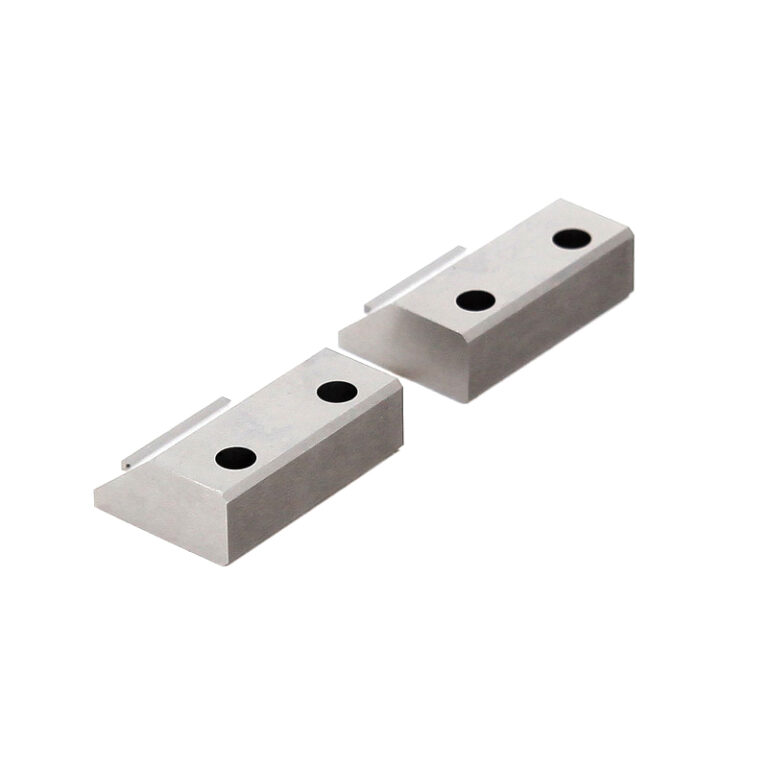
Modern industries demand speed, precision, and consistency. That is why cnc manufacturing has become one of the most important technologies in industrial production. From aerospace parts to automotive components, companies now rely on computer-controlled systems to create accurate and reliable products.
Newtop Industry Group understands the growing need for advanced machining solutions. With industries becoming more competitive every year, businesses need manufacturing methods that reduce waste, improve quality, and save time. This is where cnc manufacturing delivers excellent results.
Today, manufacturers focus on automation and smart production methods. As a result, CNC systems help companies achieve high efficiency while maintaining strict quality standards. In this article, we will explore how CNC technology works, its benefits, applications, and why it plays a key role in the future of manufacturing.
What Is CNC Manufacturing?
CNC manufacturing stands for Computer Numerical Control manufacturing. It is a process where machines are controlled by programmed software instead of manual operation.
These machines follow precise digital instructions to cut, drill, shape, and finish materials with high accuracy. The process is widely used for metals, plastics, wood, and composite materials.
Common CNC machines include:
- CNC milling machines
- CNC lathes
- CNC routers
- CNC plasma cutters
- CNC laser cutting machines
Unlike traditional machining, CNC systems reduce human error and improve production consistency.
How CNC Manufacturing Works
The CNC process begins with a digital design created using CAD software. Then, CAM software converts the design into machine instructions.
Here is a simple step-by-step process:
1. Design Creation
Engineers create a 2D or 3D model of the product using CAD software.
2. Programming
The design file is converted into machine-readable code, often called G-code.
3. Machine Setup
Operators load the material and prepare the machine tools.
4. Automated Machining
The CNC machine follows programmed instructions to manufacture the part.
5. Quality Inspection
Finished parts are checked for accuracy and performance.
Because of automation, cnc manufacturing provides repeatable and highly precise results.
Major Benefits of CNC Manufacturing
Many industries choose CNC technology because it offers several advantages over traditional production methods.
High Precision and Accuracy
CNC machines can produce parts with extremely tight tolerances. This level of precision is important in industries such as aerospace and medical manufacturing.
Even complex shapes can be produced accurately with minimal variation.
Faster Production Speed
Automation allows machines to work continuously with little downtime. As a result, manufacturers can complete large production runs quickly.
This improves delivery times and increases productivity.
Consistent Product Quality
Manual machining often leads to small variations. However, CNC systems follow the same instructions every time.
Therefore, every product maintains the same quality standard.
Reduced Material Waste
Advanced programming optimizes cutting paths and material usage. This helps companies lower waste and reduce production costs.
Newtop Industry Group focuses on efficient machining methods that improve material utilization without compromising quality.
Improved Workplace Safety
CNC operators do not need to interact directly with cutting tools during operation. This reduces workplace accidents and improves safety conditions.
Industries That Use CNC Manufacturing
Today, cnc manufacturing supports many industries worldwide.
Aerospace Industry
Aircraft components require extreme precision and durability. CNC machines create lightweight and high-strength parts for airplanes and spacecraft.
Common aerospace parts include:
- Engine components
- Turbine blades
- Structural brackets
- Landing gear parts
Automotive Industry
Vehicle manufacturers use CNC systems to produce:
- Engine blocks
- Transmission parts
- Brake components
- Suspension systems
Because automotive production requires consistency, CNC technology plays an essential role.
Medical Industry
Medical devices need precise dimensions and smooth finishes. CNC machining helps produce:
- Surgical instruments
- Implants
- Prosthetics
- Diagnostic equipment parts
Electronics Industry
Electronic products contain small and delicate components. CNC systems help manufacturers create precise housings and connectors.
Industrial Equipment Manufacturing
Factories rely on CNC-machined parts for machinery and automation systems. These components must perform reliably under demanding conditions.
Materials Used in CNC Manufacturing
One reason cnc manufacturing is popular is its flexibility with different materials.
Metals
CNC machines commonly process:
- Stainless steel
- Aluminum
- Brass
- Copper
- Titanium
These materials are used for strong and durable industrial parts.
Plastics
Manufacturers also machine plastics such as:
- ABS
- Nylon
- Polycarbonate
- Acrylic
Plastic components are widely used in electronics and consumer products.
Composite Materials
Advanced industries use composite materials because they are lightweight and strong. CNC systems can accurately machine these materials for specialized applications.
CNC Manufacturing vs Traditional Machining
Many businesses wonder how CNC systems compare with manual machining.
| Feature | CNC Manufacturing | Traditional Machining |
| Accuracy | Very high | Moderate |
| Production Speed | Fast | Slower |
| Human Error | Minimal | Higher |
| Repeatability | Excellent | Limited |
| Labor Requirement | Lower | Higher |
| Complex Designs | Easy | Difficult |
Clearly, CNC technology offers better efficiency and precision for modern production needs.
The Role of Automation in CNC Manufacturing
Automation has changed manufacturing completely. Modern CNC machines now integrate with robotics and smart factory systems.
Benefits of automation include:
- Continuous production
- Real-time monitoring
- Better inventory control
- Reduced operational costs
- Improved efficiency
Newtop Industry Group continues to adopt advanced automation technologies to support modern industrial requirements.
Why Precision Matters in Manufacturing
Precision is critical because even small errors can affect product performance.
For example:
- A small defect in aerospace parts can impact safety.
- Medical devices require exact dimensions for patient care.
- Automotive components must fit perfectly for smooth operation.
That is why cnc manufacturing remains essential for industries that depend on reliable and high-quality products.
Challenges in CNC Manufacturing
Although CNC systems provide many benefits, manufacturers may still face some challenges.
High Initial Investment
CNC machines and software require significant upfront costs. However, long-term productivity often justifies the investment.
Skilled Workforce Requirement
Operators and programmers need technical knowledge to manage CNC systems effectively.
Maintenance Needs
Regular maintenance is necessary to keep machines running efficiently and avoid downtime.
Despite these challenges, most manufacturers consider CNC technology a valuable long-term solution.
Future Trends in CNC Manufacturing
The future of cnc manufacturing looks promising as technology continues to evolve.
Artificial Intelligence Integration
AI helps improve machine efficiency and predictive maintenance.
Smart Manufacturing
Factories now use connected systems to monitor production in real time.
Sustainable Production
Manufacturers focus on reducing waste and energy consumption.
Advanced Multi-Axis Machining
Modern CNC machines can produce highly complex components faster than ever before.
Newtop Industry Group continues to follow industry innovations to provide reliable and efficient manufacturing solutions.
Tips for Choosing a CNC Manufacturing Partner
Selecting the right manufacturing company is important for product quality and business growth.
Consider these factors:
Experience and Expertise
Choose a company with strong technical knowledge and industry experience.
Quality Standards
Reliable manufacturers follow strict quality control procedures.
Advanced Equipment
Modern CNC machines improve efficiency and production accuracy.
Material Capabilities
Ensure the company can handle the materials required for your project.
Customer Support
Good communication and technical support help projects run smoothly.
Why Businesses Trust CNC Manufacturing
Businesses around the world trust CNC systems because they provide:
- Faster production
- Better consistency
- Lower operational costs
- Excellent product quality
- High scalability
As industries continue to evolve, CNC technology will remain a core part of modern production systems.
Conclusion
The manufacturing industry continues to grow rapidly, and companies need reliable production methods to stay competitive. Cnc manufacturing provides the precision, speed, and consistency required for modern industrial applications.
From aerospace and automotive industries to electronics and medical devices, CNC technology supports high-quality production across multiple sectors. It also helps businesses reduce waste, improve efficiency, and maintain strict quality standards.
Newtop Industry Group understands the importance of advanced machining solutions in today’s competitive market. By focusing on innovation, precision, and quality, the company continues to support industries with dependable manufacturing services. Businesses looking for accurate and efficient production solutions can benefit greatly from modern CNC technology and trusted industry expertise from Newtop Industry Group.