
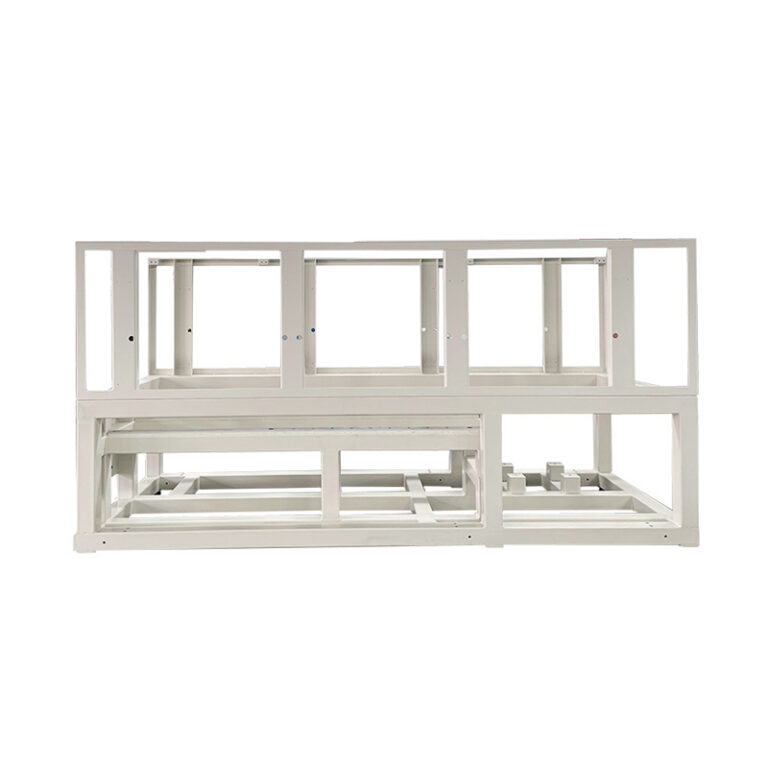
Industrial manufacturing continues to evolve as businesses demand stronger, larger, and more precise metal components. Today, heavy metal fabrication plays a major role in industries such as construction, mining, transportation, energy, and infrastructure. From structural steel frames to custom industrial machinery, fabricated metal products support projects that require durability and high performance.
At Newtop Industry Group, advanced engineering and modern manufacturing processes help companies achieve reliable and cost-effective fabrication solutions. With growing industrial demands, businesses need fabrication partners that can deliver precision, quality, and long-term value.
This article explains the importance of heavy fabrication, common processes, benefits, applications, and factors to consider when choosing a fabrication company.
What Is Heavy Metal Fabrication?
Heavy metal fabrication refers to the process of cutting, shaping, welding, assembling, and finishing large metal structures or components. Unlike light fabrication, heavy fabrication deals with thick metals, oversized parts, and high-strength materials designed for industrial use.
These fabricated products are commonly used in:
- Industrial machinery
- Construction frameworks
- Mining equipment
- Oil and gas systems
- Transportation infrastructure
- Agricultural equipment
- Energy plants
Because these components often operate in demanding environments, manufacturers must maintain strict quality standards during every stage of production.
Why Heavy Metal Fabrication Matters in Industrial Manufacturing
Modern industries depend on strong and reliable metal structures. As projects become more complex, manufacturers require custom fabrication solutions that meet exact specifications.
Here are a few reasons why heavy metal fabrication is essential:
Improved Structural Strength
Heavy fabricated components are designed to withstand pressure, vibration, and harsh environmental conditions. This strength improves operational safety and equipment lifespan.
Custom Manufacturing Capabilities
Every industrial project has unique requirements. Fabrication companies can create customized metal parts that match specific dimensions and performance standards.
Better Production Efficiency
Advanced fabrication methods reduce material waste and improve manufacturing speed. As a result, companies save time and operational costs.
Enhanced Durability
Industrial-grade fabricated metal products resist corrosion, wear, and mechanical stress. Therefore, businesses experience fewer maintenance issues over time.
Common Processes Used in Heavy Metal Fabrication
Large-scale fabrication involves multiple manufacturing techniques. Each process contributes to the final quality and performance of the product.
Metal Cutting
Cutting is the first stage of fabrication. Manufacturers use advanced technologies such as:
- CNC plasma cutting
- Laser cutting
- Waterjet cutting
- Flame cutting
These methods provide accurate dimensions and smooth edges for further processing.
Welding and Assembly
Welding joins metal parts together to create strong structures. Skilled welders use various welding techniques depending on the material type and thickness.
Common welding methods include:
- MIG welding
- TIG welding
- Arc welding
- Submerged arc welding
Proper welding improves strength, reliability, and structural stability.
Bending and Forming
Fabricators use hydraulic press brakes and rolling machines to shape metal sheets and plates into desired forms.
This process helps manufacturers create:
- Steel beams
- Cylindrical tanks
- Frames
- Enclosures
- Industrial panels
Surface Finishing
Finishing protects fabricated products from corrosion and environmental damage. Common finishing methods include:
- Powder coating
- Sandblasting
- Galvanizing
- Painting
- Polishing
At Newtop Industry Group, quality finishing processes help improve both appearance and product lifespan.
Industries That Depend on Heavy Metal Fabrication
Many sectors rely on heavy metal fabrication for daily operations and infrastructure development.
Construction Industry
Construction companies use fabricated steel structures for:
- Bridges
- Warehouses
- Commercial buildings
- Industrial plants
Heavy fabrication ensures structural integrity and long-term durability.
Mining Sector
Mining environments require extremely strong equipment capable of handling heavy loads and rough conditions.
Fabricated mining products include:
- Conveyor systems
- Crushers
- Excavator components
- Support structures
Oil and Gas Industry
Oil and gas facilities require corrosion-resistant fabricated systems for safe operation.
Examples include:
- Storage tanks
- Pipelines
- Pressure vessels
- Processing equipment
Transportation and Logistics
Fabricated metal components are widely used in:
- Railway systems
- Truck trailers
- Shipping containers
- Material handling systems
These structures improve transportation safety and operational efficiency.
Energy and Power Plants
Power generation facilities depend on durable fabricated structures that can withstand high temperatures and pressure.
Applications include:
- Turbine components
- Boiler systems
- Structural platforms
- Industrial piping
Key Materials Used in Heavy Fabrication
Different industries require different metal materials depending on performance needs.
Carbon Steel
Carbon steel is popular because of its strength and affordability. It is commonly used in structural projects and industrial equipment.
Stainless Steel
Stainless steel offers corrosion resistance and clean finishes, making it suitable for food processing, medical, and chemical industries.
Aluminium
Aluminium is lightweight and corrosion-resistant. It is often used in transportation and aerospace applications.
Alloy Metals
Alloy materials provide improved hardness, heat resistance, and durability for demanding industrial environments.
Selecting the correct material improves overall product performance and lifespan.
Benefits of Choosing Professional Heavy Metal Fabrication Services
Working with experienced fabricators provides several long-term advantages.
Precision Engineering
Professional fabrication companies use advanced CNC machinery and CAD software for accurate production.
Cost Efficiency
Efficient fabrication processes reduce production errors, material waste, and maintenance expenses.
Faster Turnaround Time
Modern automation and skilled engineering teams help complete projects within deadlines.
Compliance with Industry Standards
Reliable manufacturers follow international quality and safety standards to ensure product consistency.
Long-Term Reliability
High-quality fabrication improves equipment performance and reduces downtime.
Companies like Newtop Industry Group focus on delivering dependable fabrication solutions for industrial clients worldwide.
How Technology Is Transforming Heavy Metal Fabrication
Technology continues to improve manufacturing efficiency and product quality.
Automation and Robotics
Automated fabrication systems increase production speed while maintaining precision.
CNC Machining
Computer-controlled machines help create highly accurate metal components with minimal variation.
3D Design Software
Advanced CAD software allows engineers to visualize and test designs before production begins.
Smart Quality Control
Digital inspection systems identify defects early, reducing costly production mistakes.
As industries adopt modern manufacturing methods, heavy metal fabrication becomes faster, safer, and more efficient.
Factors to Consider When Choosing a Fabrication Company
Selecting the right fabrication partner can directly affect project success.
Experience and Expertise
Look for manufacturers with proven experience in industrial fabrication projects.
Production Capacity
Large-scale projects require facilities equipped with advanced machinery and skilled workers.
Material Quality
High-quality raw materials improve durability and performance.
Quality Assurance
Choose companies that follow strict inspection and testing procedures.
Customization Options
Every project has unique requirements. Reliable fabricators should provide flexible manufacturing solutions.
Delivery and Support
Timely delivery and responsive customer service are essential for industrial operations.
Sustainability in Heavy Metal Fabrication
Sustainability has become increasingly important in manufacturing industries. Many fabrication companies now adopt eco-friendly practices to reduce environmental impact.
These practices include:
- Recycling scrap metal
- Reducing energy consumption
- Using efficient machinery
- Minimizing production waste
- Applying environmentally safe coatings
Sustainable fabrication helps companies meet environmental goals while improving operational efficiency.
Future Trends in Heavy Metal Fabrication
The future of heavy metal fabrication will continue to focus on automation, efficiency, and smart manufacturing technologies.
Emerging trends include:
- AI-driven production systems
- Smart factory integration
- Advanced robotics
- Sustainable manufacturing methods
- High-performance alloy development
Companies that invest in innovation will remain competitive in the growing industrial market.
Conclusion
Industrial projects require strong, reliable, and precisely manufactured metal components. From infrastructure development to heavy machinery production, heavy metal fabrication supports industries that demand durability and performance.
With advanced manufacturing technology, skilled engineering, and strict quality control, Newtop Industry Group delivers dependable fabrication solutions for a wide range of industrial applications. Whether businesses need custom metal structures, industrial equipment components, or large-scale fabrication support, choosing an experienced fabrication partner can improve efficiency, safety, and long-term project success.