
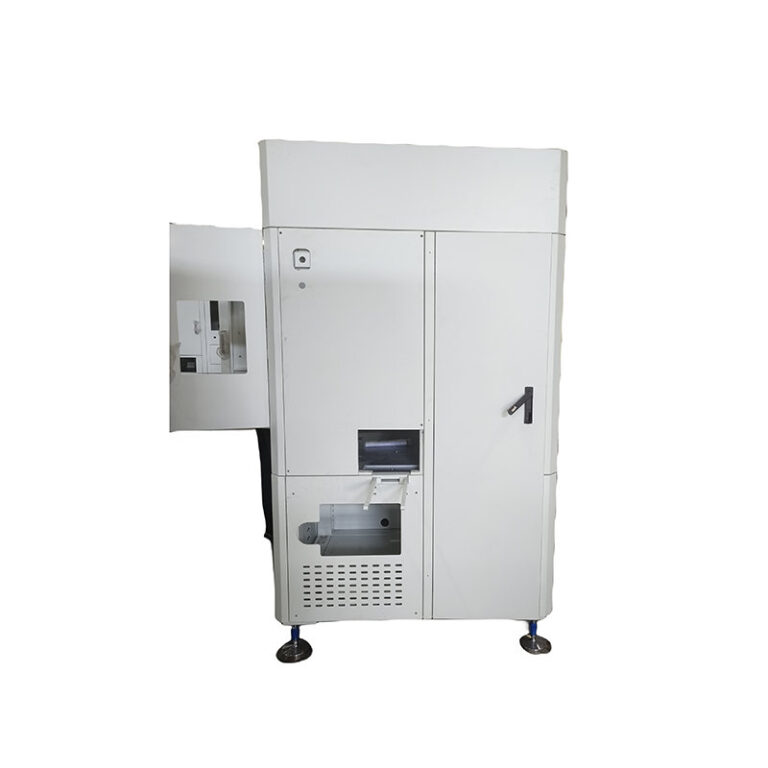
Modern industries rely on strong, reliable, and precisely manufactured components to build everything from infrastructure to heavy machinery. One of the most critical processes behind these products is heavy metal fabrication. This manufacturing method transforms raw metal materials into durable structures, equipment parts, and complex industrial components.
Companies like Newtop Industry Group specialize in delivering advanced fabrication solutions that support industries such as construction, transportation, energy, and manufacturing. With modern technologies and skilled engineering teams, manufacturers are able to create highly durable metal components designed to perform in demanding environments.
This guide explores how heavy metal fabrication works, the technologies involved, the industries that depend on it, and why choosing the right fabrication partner matters.
What Is heavy metal fabrication?
Heavy metal fabrication refers to the large-scale manufacturing process of shaping, cutting, assembling, and finishing thick metal materials to produce heavy-duty industrial components or structures.
Unlike light fabrication used for smaller parts, heavy fabrication typically involves:
- Thick steel plates and structural metals
- Large machinery and fabrication equipment
- Complex welding and forming processes
- Industrial-grade durability requirements
The goal is to produce strong metal structures that can withstand extreme pressure, heavy loads, harsh weather conditions, and continuous operation.
Manufacturers like Newtop Industry Group use advanced fabrication technologies and strict quality control systems to ensure every fabricated component meets international industrial standards.
The Importance of heavy metal fabrication in Industrial Development
Many industries rely heavily on fabricated metal components to operate efficiently. Without heavy metal fabrication, large-scale industrial systems and infrastructure would not be possible.
Key Benefits
- High Structural Strength
Fabricated metal structures provide exceptional strength and stability. - Customization for Industrial Needs
Components can be designed for specific machinery, environments, and load requirements. - Long-Term Durability
Heavy fabricated parts can operate reliably for decades with proper maintenance. - Scalability for Large Projects
Fabrication allows manufacturers to produce large structural elements for complex engineering projects. - Improved Operational Safety
High-quality fabricated structures ensure safe operation of industrial equipment and facilities.
Through advanced production capabilities, Newtop Industry Group supports global industries by manufacturing durable metal components that meet demanding engineering requirements.
Materials Commonly Used in heavy metal fabrication
The strength and durability of fabricated components depend heavily on the materials used. Different metals are selected based on load requirements, environmental conditions, and application needs.
1. Carbon Steel
Carbon steel is widely used because of its strength and affordability.
Common applications include:
- Structural beams
- Industrial equipment frames
- Construction components
2. Stainless Steel
Stainless steel offers corrosion resistance and durability.
It is commonly used in:
- Food processing equipment
- Chemical industry components
- Medical machinery structures
3. Aluminum
Aluminum is lightweight yet strong, making it suitable for:
- Transportation equipment
- Aerospace components
- Industrial machinery parts
4. Alloy Steel
Alloy steels are designed for enhanced strength and wear resistance.
Typical uses include:
- Mining machinery
- Energy sector equipment
- Heavy-duty mechanical systems
Professional fabrication companies like Newtop Industry Group carefully select materials to ensure the best balance between durability, weight, and cost.
Core Processes in heavy metal fabrication
The fabrication process involves multiple steps that convert raw metal materials into finished industrial products.
H3: Metal Cutting
Cutting is the first stage of fabrication. Modern technologies include:
- CNC laser cutting
- Plasma cutting
- Waterjet cutting
- Flame cutting
These methods allow manufacturers to achieve highly accurate dimensions even with thick metal plates.
H3: Forming and Bending
Once cut, metals are shaped into the required forms using specialized equipment.
Common forming methods include:
- Press braking
- Rolling
- Stamping
- Hydraulic forming
These processes ensure components match engineering design specifications.
H3: Welding and Assembly
Welding is essential for joining metal parts together to form strong structures.
Popular welding methods include:
- MIG welding
- TIG welding
- Arc welding
- Submerged arc welding
Expert welders ensure structural integrity and long-lasting performance.
H3: Surface Finishing
Surface treatments improve durability and appearance.
Typical finishing processes include:
- Sandblasting
- Powder coating
- Galvanizing
- Industrial painting
These treatments protect metal parts from corrosion, wear, and environmental damage.
Companies such as Newtop Industry Group integrate all these processes into a streamlined manufacturing workflow to deliver high-quality fabricated products.
Industries That Depend on heavy metal fabrication
The demand for fabricated metal components spans across many global industries.
Construction and Infrastructure
Heavy metal fabrication is essential for:
- Steel building frameworks
- Bridges and infrastructure projects
- Structural supports and platforms
Energy Sector
Energy production systems require durable fabricated components such as:
- Wind turbine structures
- Oil and gas equipment
- Power plant machinery frames
Mining and Heavy Equipment
Mining machinery relies on strong metal structures to operate under extreme stress.
Examples include:
- Excavator frames
- Crusher components
- Industrial conveyors
Transportation and Automotive
Fabricated metals support transportation industries through:
- Truck chassis
- Railway components
- Marine equipment structures
Through precision manufacturing capabilities, Newtop Industry Group provides fabrication services that support these essential industries worldwide.
Modern Technologies Transforming heavy metal fabrication
The fabrication industry has evolved significantly thanks to new manufacturing technologies.
CNC Automation
Computer Numerical Control (CNC) machines enable:
- Highly precise cutting and machining
- Repeatable production accuracy
- Reduced human error
Robotic Welding
Robotic welding systems offer:
- Faster production speeds
- Consistent weld quality
- Improved safety in hazardous environments
Advanced CAD/CAM Design
Modern design software allows engineers to:
- Simulate fabrication processes
- Optimize structural designs
- Reduce material waste
Smart Manufacturing
Industry 4.0 technologies such as IoT sensors and automated monitoring help improve:
- Production efficiency
- Equipment performance
- Quality control
Forward-thinking manufacturers like Newtop Industry Group continuously invest in these technologies to deliver reliable and innovative fabrication solutions.
Quality Control in heavy metal fabrication
High-quality fabrication requires strict inspection and testing procedures throughout the manufacturing process.
Common Quality Checks
- Dimensional inspections
- Welding integrity testing
- Non-destructive testing (NDT)
- Surface finishing inspections
- Load and stress testing
These processes ensure every fabricated component meets safety and performance requirements.
Quality-focused manufacturers such as Newtop Industry Group follow international quality standards to maintain consistency and reliability in every project.
Choosing the Right heavy metal fabrication Partner
Selecting the right fabrication company can significantly impact the success of your project.
Key Factors to Consider
Experience and Industry Expertise
A company with extensive experience can handle complex engineering requirements more effectively.
Advanced Manufacturing Equipment
Modern machinery ensures precision and efficiency in fabrication.
Quality Assurance Systems
Reliable manufacturers follow strict quality control procedures and international certifications.
Customization Capability
The ability to design and fabricate custom components is essential for specialized industrial projects.
Reliable Delivery and Support
On-time production and technical support help keep industrial operations running smoothly.
Companies like Newtop Industry Group combine engineering expertise, advanced fabrication technologies, and global manufacturing standards to deliver high-quality solutions for clients worldwide.
The Future of heavy metal fabrication
As industries continue to evolve, the future of heavy metal fabrication will be shaped by innovation and sustainability.
Key trends include:
- Automation and robotics in fabrication processes
- Sustainable manufacturing and energy-efficient production
- AI-assisted design optimization
- Smart factory integration
These advancements will allow manufacturers to produce stronger, lighter, and more efficient metal components while reducing environmental impact.
Conclusion
Heavy metal fabrication plays a vital role in building the infrastructure, machinery, and industrial systems that power the modern world. From construction and transportation to energy production and heavy equipment manufacturing, fabricated metal components provide the strength and durability required for demanding applications.
With advanced technologies, skilled engineering teams, and strict quality control systems, manufacturers can deliver highly reliable fabrication solutions tailored to industrial needs. Companies like Newtop Industry Group continue to support global industries by producing high-quality fabricated metal components that meet modern engineering standards.
If your business requires dependable fabrication solutions for large-scale industrial applications, partnering with an experienced manufacturer like Newtop Industry Group can help ensure durable, precise, and cost-effective results.