
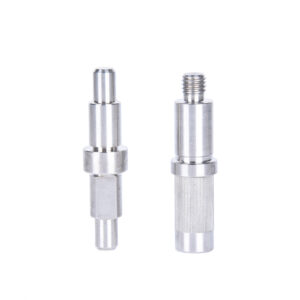
Selecting the right material is one of the most critical decisions in CNC manufacturing. The material you choose directly affects accuracy, durability, cost, appearance, and performance of the final component. When producing precision cnc machining parts, even small material-related mistakes can lead to dimensional errors, excessive tool wear, or part failure in real-world applications. This guide explains how to evaluate materials strategically so your CNC-machined components meet technical, functional, and economic requirements.
Why Material Selection Matters in CNC Machining
CNC machining is known for its tight tolerances and repeatability. However, the process is only as effective as the material being machined. Different materials respond differently to cutting forces, heat, vibration, and tooling. A poor material choice can result in poor surface finish, warping, or inconsistent dimensions.
For industries such as aerospace, medical, automotive, and electronics, material selection is especially critical. In these fields, precision cnc machining parts must meet strict standards for strength, reliability, and longevity.
Key Factors to Consider When Choosing CNC Machining Materials
1. Mechanical Properties
Mechanical properties define how a material behaves under stress. Important properties include:
- Strength: Ability to withstand applied loads
- Hardness: Resistance to deformation and wear
- Toughness: Ability to absorb energy without cracking
- Elasticity: Ability to return to original shape after stress
High-strength alloys may be necessary for load-bearing components, while softer materials may be ideal for intricate designs that require fine details.
2. Machinability
Machinability refers to how easily a material can be cut, shaped, and finished using CNC tools. Materials with good machinability produce smoother finishes, longer tool life, and faster cycle times.
- Aluminum alloys generally offer excellent machinability
- Free-machining steels are designed to reduce cutting resistance
- Hard materials like titanium require slower speeds and specialized tools
Choosing a highly machinable material can significantly reduce production costs while maintaining accuracy.
3. Dimensional Stability
Precision machining demands materials that maintain their shape during and after machining. Some materials expand with heat or relieve internal stresses during cutting, which can lead to warping.
Materials with good dimensional stability are essential for tight-tolerance components, particularly in assemblies where exact alignment is required.
4. Thermal Properties
Thermal conductivity and heat resistance influence machining behavior and end-use performance.
- High thermal conductivity materials dissipate heat quickly
- Heat-resistant materials perform better in high-temperature environments
If a part will operate under thermal stress, the material must resist deformation and degradation over time.
5. Corrosion and Environmental Resistance
Environmental exposure plays a major role in material selection. Parts exposed to moisture, chemicals, or outdoor conditions require corrosion-resistant materials.
- Stainless steels resist rust and oxidation
- Aluminum naturally forms a protective oxide layer
- Certain plastics resist chemicals and moisture exceptionally well
Matching material resistance to the operating environment improves service life and reliability.
Common Materials Used in CNC Machining
Aluminum Alloys
Aluminum is one of the most popular CNC machining materials due to its excellent machinability, lightweight nature, and corrosion resistance. It is widely used in aerospace, automotive, and consumer electronics.
Advantages:
- Easy to machine
- Good strength-to-weight ratio
- Cost-effective
Limitations:
- Lower strength than steel
- Not suitable for extreme temperatures
Steel and Stainless Steel
Steel offers high strength and durability, making it ideal for structural and load-bearing components. Stainless steel adds corrosion resistance, making it suitable for medical and food-grade applications.
Advantages:
- High mechanical strength
- Long service life
- Wide range of grades available
Limitations:
- More difficult to machine than aluminum
- Higher tool wear
Titanium Alloys
Titanium is known for its exceptional strength-to-weight ratio and corrosion resistance. It is commonly used in aerospace, medical implants, and high-performance engineering.
Advantages:
- Extremely strong and lightweight
- Excellent corrosion resistance
- Biocompatible
Limitations:
- Expensive
- Challenging to machine
Plastics and Polymers
Engineering plastics such as PEEK, Delrin, and Nylon are widely used for non-metal CNC machining applications. They are lightweight, corrosion-resistant, and electrically insulating.
Advantages:
- Lightweight
- Chemical resistance
- Easy to machine for complex shapes
Limitations:
- Lower strength than metals
- Sensitive to heat buildup during machining
Matching Material to Application Requirements
The best material choice depends on how the part will be used. Ask the following questions before making a decision:
- Will the part experience high loads or stress?
- Is weight reduction important?
- Will the part be exposed to heat, moisture, or chemicals?
- Are tight tolerances or fine surface finishes required?
- What is the production volume and budget?
By answering these questions, you can narrow down materials that balance performance, manufacturability, and cost.
Cost Considerations in Material Selection
Material cost is not just about the price per unit. It also includes machining time, tool wear, scrap rates, and post-processing requirements. A more expensive material with better machinability may ultimately reduce overall production costs.
For high-volume production, choosing materials that machine faster and more consistently can result in significant savings while maintaining quality.
Final Thoughts
Choosing the right material is a strategic step in CNC manufacturing that directly impacts part quality, performance, and cost. By evaluating mechanical properties, machinability, environmental resistance, and application requirements, manufacturers can produce reliable, high-quality precision cnc machining parts that meet exact specifications.