
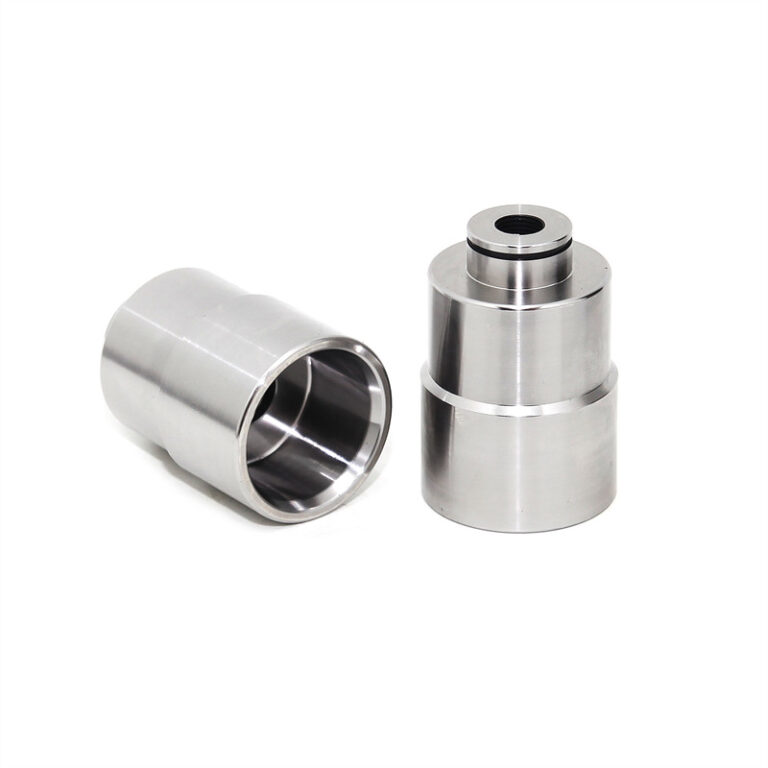
Modern industries demand accuracy, speed, and reliability. That’s why cnc manufacturing has become a cornerstone of advanced production worldwide. Companies like Newtop Industry Group are helping businesses adopt smarter machining solutions that improve product quality while reducing waste and costs.
From aerospace components to medical devices, computer-controlled machining now supports almost every sector. Understanding how this technology works — and why it matters — can help businesses stay competitive in today’s fast-moving industrial environment.
What Is cnc manufacturing?
CNC stands for Computer Numerical Control. In simple terms, cnc manufacturing uses programmed software to control machinery such as:
- Milling machines
- Lathes
- Routers
- Grinders
- Multi-axis machining centers
Instead of manual operation, digital instructions guide cutting tools with extreme precision. This automation allows manufacturers to produce complex parts repeatedly with minimal variation.
Key Characteristics
- High dimensional accuracy
- Consistent product quality
- Faster production cycles
- Reduced human error
- Ability to create complex geometries
These advantages make CNC technology essential for modern production facilities.
Why Businesses Choose cnc manufacturing
Industries adopt this process not just for automation but for measurable business benefits.
1. Precision and Consistency
One major strength of cnc manufacturing is repeatable accuracy. Once programmed, machines reproduce identical parts thousands of times without deviation. This consistency is crucial for industries with strict tolerances, such as aerospace or automotive manufacturing.
2. Increased Efficiency
Automated machining reduces production time significantly. Machines operate continuously, often with minimal supervision. This leads to:
- Faster order fulfillment
- Lower labor costs
- Better resource utilization
Organizations working with Newtop Industry Group often report noticeable productivity improvements after upgrading to advanced CNC solutions.
3. Flexibility in Design
Digital programming allows quick design adjustments. Engineers can modify CAD files instead of rebuilding entire tooling setups. This flexibility supports rapid prototyping and customized manufacturing.
Industries Benefiting From CNC Technology
Nearly every industrial sector now depends on CNC machining.
Aerospace
Aircraft parts require tight tolerances and high durability. CNC machining ensures accuracy and reliability for:
- Engine components
- Structural elements
- Precision fittings
Automotive
Car manufacturers rely on CNC for:
- Engine blocks
- Transmission parts
- Custom performance components
Medical Devices
Precision is critical in healthcare manufacturing. CNC machining helps produce:
- Surgical instruments
- Implants
- Diagnostic equipment components
Electronics and Industrial Equipment
Small, intricate parts often require advanced machining capabilities that traditional manufacturing cannot match.
Companies like Newtop Industry Group support diverse industries by delivering tailored machining solutions that meet specific technical requirements.
Materials Commonly Used in CNC Production
Different projects require different materials. CNC technology handles a wide range, including:
Metals
- Aluminum (lightweight and versatile)
- Stainless steel (corrosion resistant)
- Brass and copper (excellent conductivity)
- Titanium (strong and lightweight)
Plastics
- ABS
- Nylon
- Polycarbonate
- PEEK
Composites
- Carbon fiber materials
- Reinforced polymers
Material choice depends on strength, durability, cost, and intended application.
The Role of Automation and Digital Integration
Today’s cnc manufacturing goes beyond standalone machines. Integration with digital systems improves overall production management.
Smart Manufacturing Features
- CAD/CAM software integration
- Real-time monitoring sensors
- Predictive maintenance tools
- Automated quality inspection
These technologies reduce downtime and improve efficiency across the entire manufacturing workflow.
Newtop Industry Group actively incorporates such innovations to ensure clients benefit from modern, data-driven machining environments.
Quality Control in CNC Production
Quality assurance is a major priority in precision manufacturing.
Common Quality Practices
- Automated inspection systems
- Coordinate Measuring Machines (CMM)
- Statistical process control
- Surface finish analysis
Because cnc manufacturing follows programmed instructions, deviations are easier to detect and correct compared to manual machining.
This reliability helps manufacturers maintain compliance with international standards and industry regulations.
Cost Considerations and ROI
While CNC machinery involves an initial investment, long-term benefits often outweigh the cost.
Cost Advantages
- Reduced scrap and rework
- Lower labor dependency
- Faster production cycles
- Improved product lifespan
Companies partnering with experienced providers like Newtop Industry Group often see faster returns due to optimized machining strategies and efficient production planning.
Sustainability and Environmental Impact
Modern manufacturers are increasingly focused on sustainability.
How CNC Supports Green Manufacturing
- Efficient material usage
- Reduced waste generation
- Energy-efficient machine designs
- Recyclable metal chips
Responsible machining practices contribute to lower environmental impact without compromising productivity.
Future Trends in CNC Technology
The next phase of cnc manufacturing is already emerging.
AI-Driven Machining
Artificial intelligence helps optimize cutting paths, predict maintenance needs, and improve productivity.
Multi-Axis Machining Growth
Five-axis and hybrid machines allow more complex designs with fewer setups.
Digital Twins and Simulation
Virtual simulations help manufacturers test processes before actual production, saving time and resources.
Remote Monitoring
Cloud-based platforms enable real-time performance tracking from anywhere.
Organizations that adapt early will maintain a strong competitive advantage.
Choosing the Right CNC Partner
Selecting the right manufacturing partner can significantly impact product quality and business growth.
Key Factors to Consider
- Technical expertise
- Equipment capability
- Quality assurance processes
- Industry experience
- Customer support
Newtop Industry Group has built its reputation by combining advanced machining technology with strong engineering expertise and customer-focused service.
Practical Tips for Businesses Considering CNC Manufacturing
If you’re planning to adopt CNC machining, consider these steps:
Start With Clear Requirements
Define tolerances, materials, and production volumes early.
Invest in Design Optimization
Well-designed CAD models reduce machining time and cost.
Focus on Long-Term Partnerships
Reliable partners help maintain consistent quality and scalability.
Monitor Performance Metrics
Track production efficiency, defect rates, and maintenance schedules.
These practices ensure smoother implementation and better outcomes.
Conclusion: Driving Innovation With Precision
Manufacturing continues to evolve, and cnc manufacturing remains a central driver of that transformation. Its ability to deliver precision, efficiency, and scalability makes it essential for modern industrial production.
Companies worldwide trust experienced partners like Newtop Industry Group to implement advanced machining solutions that support growth, innovation, and quality improvement. Whether you’re scaling production, improving accuracy, or exploring new product designs, investing in modern CNC capabilities can make a measurable difference. If you’re looking to enhance your manufacturing capabilities, consider connecting with Newtop Industry Group to explore reliable, future-ready machining solutions tailored to your needs.