
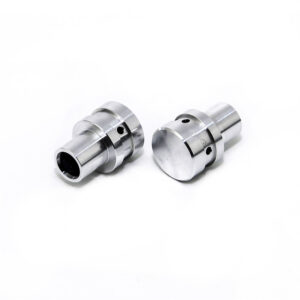
In today’s fast-moving manufacturing world, businesses and engineers often face a critical decision: should you produce precision components in-house or rely on a professional machining partner? This question becomes even more important when accuracy, cost efficiency, and scalability are at stake. For manufacturers, startups, and product designers in China and beyond, deciding whether to make custom cnc parts yourself can shape your production strategy, timelines, and long-term growth.
This page explores the realities of DIY CNC machining versus outsourcing to an experienced manufacturer like Newtop Industry Group, helping you make a confident, informed decision.
Understanding CNC Machining at a Practical Level
CNC (Computer Numerical Control) machining uses automated equipment controlled by digital designs to produce parts with tight tolerances and consistent quality. It is widely used across industries such as automotive, aerospace, medical devices, electronics, and industrial equipment.
At first glance, CNC machining may appear straightforward: design a part, load material, program the machine, and press start. In reality, achieving reliable results requires deep technical knowledge, ongoing calibration, skilled operators, and strict quality control. This complexity is often underestimated by those considering making custom cnc parts internally.
Why Making CNC Parts Yourself Sounds Appealing
Many companies are drawn to the idea of in-house production for several reasons:
Full Control Over Production
Producing parts internally offers direct oversight of design changes, material selection, and production schedules. This can be appealing when rapid prototyping or confidential projects are involved.
Faster Iteration for Prototypes
If you are frequently testing designs, having machines on-site may reduce turnaround time for early-stage development.
Perceived Cost Savings
At first, it may seem cheaper to avoid outsourcing fees by investing in your own machines and team to produce custom cnc parts as needed.
While these benefits are real, they only tell part of the story.
The Hidden Challenges of DIY CNC Machining
Before committing to in-house CNC production, it’s important to understand the challenges that often surface after the initial investment.
High Upfront Costs
CNC machines are expensive. Beyond the purchase price, you must factor in tooling, software licenses, maintenance, spare parts, and facility upgrades such as power supply and climate control.
Skilled Labor Requirements
Operating CNC equipment requires trained machinists and programmers. Hiring and retaining skilled talent in a competitive market can be difficult and costly.
Learning Curve and Errors
Mistakes during setup, programming, or material selection can lead to scrap, machine downtime, and wasted resources—especially when producing complex custom cnc parts.
Quality Consistency
Maintaining tight tolerances over long production runs is challenging without advanced inspection systems and established quality management processes.
When Making CNC Parts In-House Makes Sense
Despite the challenges, there are situations where internal production is a smart choice:
- You require constant, high-volume production of the same component
- You have an experienced machining team already in place
- Intellectual property protection is a top priority
- Your business model depends on ultra-fast design iteration
In these cases, investing in equipment and processes to produce custom cnc parts internally may support your strategic goals.
Why Many Companies Choose to Outsource CNC Machining
For most businesses, outsourcing CNC machining delivers a better balance of cost, quality, and flexibility.
Access to Advanced Equipment
Professional manufacturers operate a wide range of CNC machines, including multi-axis systems capable of handling complex geometries that are difficult to achieve in-house.
Experienced Engineering Support
Established suppliers bring years of practical knowledge in materials, tolerances, and manufacturability—helping optimize designs before production begins.
Scalability Without Risk
Outsourcing allows you to scale production up or down without investing in new machines or staff, making it ideal for growing companies.
Predictable Quality and Delivery
Reliable partners follow standardized processes and quality systems to ensure every batch of custom cnc parts meets specifications.
The China Advantage in CNC Manufacturing
China has become a global hub for precision manufacturing due to its strong industrial infrastructure, skilled workforce, and efficient supply chains. Working with a reputable Chinese manufacturer can offer:
- Competitive pricing without sacrificing quality
- Access to diverse materials and finishes
- Faster lead times for both prototypes and mass production
Companies like Newtop Industry Group combine advanced CNC technology with strict quality control to serve international clients across multiple industries.
Cost Comparison: DIY vs Outsourcing
In-House Costs Include:
- CNC machines and auxiliary equipment
- Facility upgrades and utilities
- Skilled labor salaries and training
- Maintenance, tooling, and inspection
Outsourcing Costs Include:
- Per-part manufacturing fees
- Shipping and logistics
- Engineering collaboration time
When calculated realistically, outsourcing often proves more cost-effective for producing custom cnc parts, especially for low-to-medium volumes or complex designs.
Quality, Compliance, and Risk Management
Manufacturing precision components is not just about making parts—it’s about meeting standards. Professional CNC suppliers follow documented processes, inspection protocols, and international compliance requirements.
Attempting to manage all of this internally increases operational risk. A single quality failure can delay projects, damage reputation, and increase costs. Partnering with an experienced manufacturer helps reduce these risks while ensuring consistent results.
How Newtop Industry Group Supports Smarter Decisions
Based in China, Newtop Industry Group provides end-to-end CNC machining solutions tailored to global customers. From design review and prototyping to full-scale production, the company focuses on precision, efficiency, and transparency.
By working with a trusted partner, businesses can focus on innovation and market growth instead of machine maintenance and staffing challenges—while still receiving high-quality custom cnc parts built to exact specifications.
Making the Right Choice for Your Business
So, should you make CNC parts yourself? The answer depends on your resources, production needs, and long-term goals.
Choose in-house production if you have the expertise, budget, and consistent demand to justify the investment. Choose outsourcing if you value flexibility, predictable quality, and cost efficiency without operational complexity.
For many companies, the smartest approach is collaboration—leveraging external expertise while maintaining control over design and strategy.
Final Thoughts
Deciding whether to manufacture internally or outsource is a strategic choice, not just a technical one. By understanding the true costs, challenges, and opportunities, you can make a decision that supports sustainable growth. For businesses seeking reliable precision manufacturing in China, partnering with an experienced provider like Newtop Industry Group ensures your custom cnc parts are produced with accuracy, efficiency, and confidence—allowing you to stay focused on what matters most: building better products and stronger brands.