
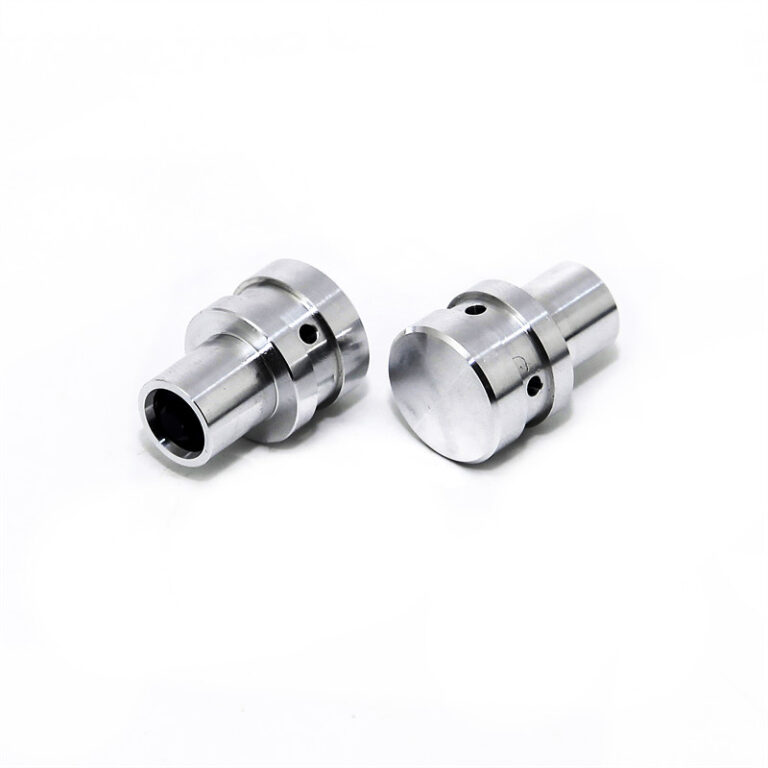
Modern manufacturing depends on accuracy, efficiency, and reliability. From aerospace components to automotive systems, industries demand parts that meet extremely tight tolerances. This is where CNC precision machining parts play a crucial role.
Computer Numerical Control (CNC) technology allows manufacturers to create highly accurate parts using automated machining systems. Companies like Newtop Industry Group specialize in producing complex components with consistent quality and precision.
In this guide, we’ll explore what CNC precision machining is, why it matters, and how businesses can benefit from using CNC precision machining parts in modern production processes.
What Are CNC Precision Machining Parts?
CNC precision machining parts are components manufactured using CNC-controlled machines that operate with computer-programmed instructions. These machines remove material from metal or plastic blocks to produce highly precise shapes and dimensions.
Unlike traditional machining, CNC technology ensures that each part is produced exactly according to the digital design.
Key Characteristics
CNC precision components are known for several important qualities:
- High accuracy and tight tolerances
- Excellent surface finish
- Repeatable production results
- Compatibility with complex geometries
- Consistent quality across large batches
Because of these advantages, industries rely on CNC precision machining parts when precision is critical.
How CNC Precision Machining Works
CNC machining combines advanced software with automated machines to create precise components.
Step 1: CAD Design
Engineers first design the part using Computer-Aided Design (CAD) software. The design includes all dimensions, tolerances, and specifications.
Step 2: CAM Programming
The CAD model is then converted into machining instructions using Computer-Aided Manufacturing (CAM) software. These instructions guide the machine tools.
Step 3: Machine Setup
Operators load the raw material and select appropriate tools such as drills, mills, or lathes.
Step 4: Automated Machining
The CNC machine follows the programmed instructions to cut, shape, and finish the part.
Step 5: Quality Inspection
Finished CNC precision machining parts are inspected to ensure they meet strict quality standards.
At Newtop Industry Group, advanced inspection systems and experienced engineers ensure every component meets customer specifications.
Materials Used in CNC Precision Machining
One of the biggest advantages of CNC machining is material versatility. Manufacturers can work with many metals and plastics.
Common Metals
Many industries prefer metal CNC precision machining parts for strength and durability.
Popular options include:
- Aluminum
- Stainless steel
- Carbon steel
- Brass
- Titanium
- Copper
These materials offer different properties such as corrosion resistance, strength, or heat tolerance.
Engineering Plastics
Plastics are also widely used for lightweight applications.
Examples include:
- ABS
- Nylon
- PEEK
- Polycarbonate
- PTFE
Companies like Newtop Industry Group help clients choose the best material based on application requirements.
Industries That Use CNC Precision Machining Parts
Precision machining supports a wide range of industries where performance and reliability are essential.
Aerospace
Aircraft components require extremely tight tolerances. Even small deviations can affect safety and performance.
Examples include:
- Turbine parts
- Structural brackets
- Engine components
Automotive
Automotive manufacturers use CNC precision machining parts for both prototypes and production.
Typical parts include:
- Engine components
- Transmission housings
- Brake system parts
Medical Devices
Medical equipment demands exceptional precision and cleanliness.
Common CNC-machined components include:
- Surgical instruments
- Implant parts
- Diagnostic equipment components
Electronics
CNC machining is widely used to produce housings and structural parts for electronic devices.
Industrial Equipment
Heavy machinery requires durable and precise components to ensure long-term reliability.
With years of manufacturing experience, Newtop Industry Group supports multiple industries with reliable machining solutions.
Advantages of CNC Precision Machining Parts
Businesses choose CNC machining because it offers several major benefits over conventional manufacturing.
1. Exceptional Accuracy
CNC machines operate with extremely tight tolerances, often within microns. This ensures every component matches the original design.
2. High Production Efficiency
Once a program is created, CNC machines can produce large volumes of parts quickly and consistently.
3. Complex Geometry
CNC systems can create shapes that would be nearly impossible using manual machining.
4. Consistent Quality
Because machining is automated, every part produced follows the same specifications.
5. Reduced Human Error
Computer-controlled operations reduce mistakes and increase reliability.
These advantages make CNC precision machining parts essential for industries that require dependable performance.
CNC Machining Processes Used for Precision Parts
Different machining techniques are used depending on the part design and material.
CNC Milling
CNC milling uses rotating cutting tools to remove material from a stationary workpiece. It is ideal for creating complex shapes and slots.
CNC Turning
In turning operations, the workpiece rotates while cutting tools shape the material. This method is commonly used for cylindrical components.
CNC Drilling
Drilling creates precise holes in parts for fasteners, assembly, or internal channels.
Multi-Axis Machining
Advanced CNC machines operate with multiple axes, allowing them to create complex designs in fewer setups.
Manufacturers like Newtop Industry Group use advanced multi-axis systems to produce sophisticated CNC precision machining parts with high efficiency.
Quality Control in CNC Precision Machining
Quality control is critical when producing high-performance components.
Inspection Methods
Manufacturers typically use several inspection tools, including:
- Coordinate Measuring Machines (CMM)
- Digital calipers and micrometers
- Optical measurement systems
- Surface roughness testers
Process Control
Quality assurance also includes:
- Material verification
- Dimensional testing
- Process monitoring
- Final inspection
At Newtop Industry Group, strict quality management systems ensure every batch of CNC precision machining parts meets international manufacturing standards.
Custom CNC Precision Machining Solutions
Many businesses require custom parts tailored to specific designs or applications.
Custom machining allows manufacturers to:
- Create prototypes
- Produce small production batches
- Develop specialized components
- Improve product performance
Benefits of Custom CNC Parts
Custom CNC precision machining parts provide several advantages:
- Perfect fit for unique designs
- Reduced assembly issues
- Faster product development
- Improved product reliability
Experienced manufacturers such as Newtop Industry Group work closely with clients during design and production to ensure optimal results.
How to Choose the Right CNC Machining Partner
Selecting a reliable manufacturing partner is essential for ensuring consistent quality and timely delivery.
Key Factors to Consider
When choosing a supplier for CNC precision machining parts, consider:
Technical Expertise
Look for a company with experienced engineers and advanced machining capabilities.
Quality Standards
Certifications and quality control systems are important indicators of reliability.
Material Capabilities
A good manufacturer should offer a wide range of materials.
Production Capacity
Ensure the company can handle both small and large production volumes.
Customer Support
Strong communication and technical support help ensure smooth project execution.
With advanced facilities and a skilled engineering team, Newtop Industry Group provides reliable machining solutions for global clients.
The Future of CNC Precision Machining
Manufacturing technology continues to evolve rapidly.
Several trends are shaping the future of CNC precision machining parts:
Automation and Smart Factories
Advanced automation is improving efficiency and reducing production costs.
AI-Assisted Manufacturing
Artificial intelligence helps optimize machining parameters and improve productivity.
Advanced Materials
New materials are expanding the possibilities for high-performance components.
Sustainable Manufacturing
Manufacturers are focusing on energy efficiency and waste reduction.
Companies that adopt these technologies will remain competitive in the global manufacturing industry.
Conclusion
Precision manufacturing is essential for industries that demand accuracy, durability, and reliability. CNC precision machining parts provide the consistency and performance required for modern engineering applications.
From aerospace systems to medical devices, CNC technology enables manufacturers to create highly complex components with exceptional precision.
With advanced machining equipment, strict quality control, and experienced engineers, Newtop Industry Group delivers high-quality solutions tailored to customer needs. Businesses looking for dependable manufacturing partners can rely on Newtop Industry Group to produce reliable CNC precision machining parts that meet the highest industry standards. If your project requires precision, durability, and consistent performance, working with a trusted manufacturer like Newtop Industry Group can help bring your designs to life efficiently and accurately.