
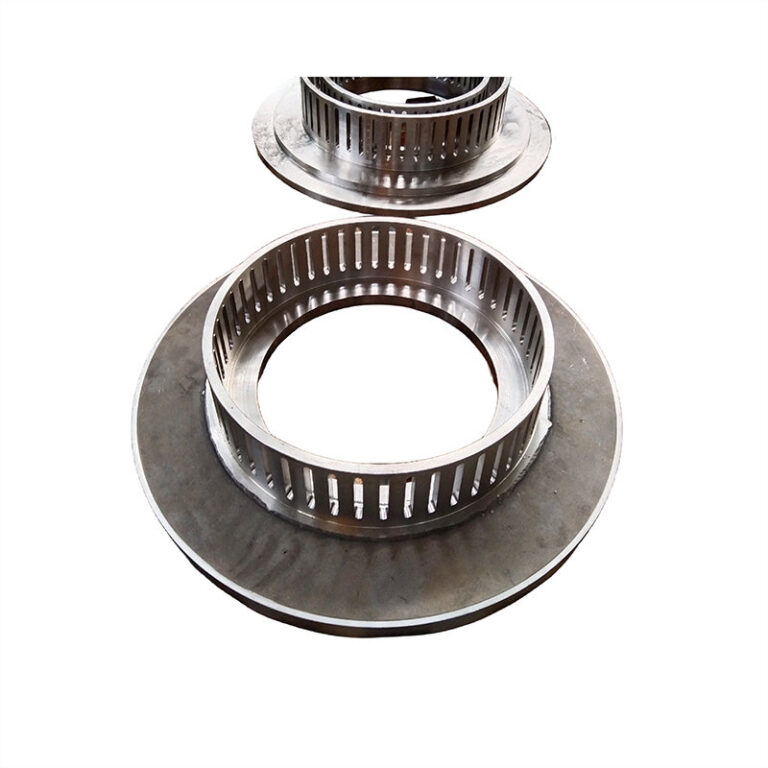
In today’s fast-moving industrial world, metal fabrication plays a crucial role in transforming raw metal into functional components used across construction, automotive, energy, and manufacturing sectors. From heavy-duty machine frames to precision-engineered enclosures, this process forms the backbone of modern infrastructure.
At Newtop Industry Group, advanced fabrication techniques are combined with engineering expertise to deliver consistent quality, durability, and performance. As industries demand faster turnaround times and higher precision, choosing the right fabrication partner has become a strategic decision for long-term business growth.
This guide explores what metal fabrication is, why it matters, the processes involved, and how businesses can leverage it for better productivity and cost control.
What Is Metal Fabrication?
Metal fabrication is the process of cutting, shaping, assembling, and finishing metal materials to create components or structures for industrial and commercial use. It involves turning flat sheets or raw metal stock into finished products through a combination of mechanical and thermal processes.
Key Objectives of Metal Fabrication
- Convert raw materials into usable parts
- Achieve precise dimensions and tolerances
- Ensure structural strength and durability
- Support mass production and custom requirements
Newtop Industry Group focuses on delivering reliable fabrication solutions that meet diverse industry standards while ensuring repeatable quality across production batches.
Core Processes in Metal Fabrication
Modern metal fabrication is a combination of advanced machinery and skilled craftsmanship. Below are the main processes involved:
1. Cutting
Cutting shapes metal into desired forms using:
- Laser cutting
- Plasma cutting
- Waterjet cutting
- Shearing
Each method is selected based on material thickness, precision needs, and production volume.
2. Bending and Forming
This process reshapes metal without removing material. Common techniques include:
- Press brake bending
- Roll forming
- Stamping
Accurate bending ensures that parts fit perfectly during assembly.
3. Welding and Assembly
Welding joins multiple metal parts into a single structure. Popular welding methods include:
- MIG welding
- TIG welding
- Spot welding
Newtop Industry Group uses controlled welding processes to maintain structural integrity and long-term reliability.
4. Surface Finishing
Finishing improves appearance and protects metal from corrosion:
- Powder coating
- Anodizing
- Polishing
- Galvanization
This step is vital for products exposed to harsh environments.
Why Metal Fabrication Matters in Modern Industries
Industries today operate under pressure to deliver quality products faster and at lower costs. Metal fabrication helps businesses meet these goals by offering flexibility, precision, and scalability.
Key Benefits
- Customization: Fabrication allows tailored designs for specific applications.
- Strength & Durability: Fabricated metal components withstand heavy loads and harsh conditions.
- Efficiency: Automated machines reduce production time and errors.
- Cost Optimization: Optimized processes reduce material waste and rework.
Newtop Industry Group integrates advanced machinery with process optimization to deliver consistent value to industrial clients.
Applications Across Major Industries
Metal fabrication supports a wide range of sectors. Here’s how different industries rely on fabricated metal components:
Construction & Infrastructure
- Structural beams
- Brackets and frames
- Architectural metalwork
Automotive & Transportation
- Chassis components
- Body panels
- Custom enclosures
Energy & Power
- Electrical cabinets
- Support structures
- Equipment housings
Manufacturing & Automation
- Machine frames
- Conveyor systems
- Industrial enclosures
The versatility of metal fabrication enables companies to design solutions that meet exact functional and safety requirements.
How to Choose the Right Metal Fabrication Partner
Selecting the right fabrication company can impact product quality, timelines, and long-term maintenance costs. Consider the following factors:
Technical Capabilities
Look for a partner with:
- Advanced CNC machines
- Precision cutting and bending tools
- Skilled welding expertise
Quality Control
Reliable partners follow strict inspection and testing protocols to ensure consistency.
Customization & Scalability
Your fabrication partner should handle both small custom batches and large-scale production.
Industry Experience
Newtop Industry Group brings hands-on industry experience, ensuring that fabrication solutions align with real-world operational needs.
Quality Standards and Compliance
Modern metal fabrication must meet strict quality and safety standards. These include:
- Dimensional accuracy
- Load-bearing performance
- Surface treatment durability
- Compliance with industry certifications
By implementing standardized workflows and continuous quality checks, Newtop Industry Group ensures that every fabricated component meets performance expectations.
Trends Shaping the Future of Metal Fabrication
The fabrication industry is evolving rapidly with technology and sustainability initiatives.
Automation & Smart Manufacturing
Robotic welding, CNC automation, and AI-driven quality inspection are improving speed and precision.
Sustainable Practices
- Material recycling
- Energy-efficient machinery
- Reduced scrap generation
Digital Design Integration
CAD and simulation tools allow faster prototyping and fewer production errors.
These trends are transforming metal fabrication into a smarter, more sustainable manufacturing discipline.
Common Challenges and How to Overcome Them
Even with advanced technology, fabrication projects face challenges:
- Design complexity: Solved through early-stage CAD validation
- Material wastage: Reduced with optimized cutting layouts
- Quality variation: Controlled via standardized processes and inspections
Newtop Industry Group addresses these challenges by combining engineering planning with process automation and skilled workmanship.
Best Practices for Businesses Using Metal Fabrication
To get the most value from fabrication projects, businesses should:
- Share clear technical drawings
- Define performance and tolerance requirements
- Plan for future scalability
- Choose long-term fabrication partners
Clear communication and early collaboration lead to better outcomes and reduced production risks.
Conclusion: Building Stronger Industries with Metal Fabrication
In a world where industrial performance depends on precision, durability, and efficiency, metal fabrication remains a cornerstone of modern manufacturing. From custom machine parts to large structural components, fabrication enables businesses to turn ideas into reliable, high-performance products.
Newtop Industry Group continues to support manufacturers with dependable fabrication solutions that balance quality, innovation, and efficiency. If your business is planning to enhance product strength, reduce production bottlenecks, or scale operations, partnering with a trusted fabrication expert can make a real difference.
Ready to build smarter and stronger? Connect with Newtop Industry Group and explore how professional metal fabrication can elevate your next project.