
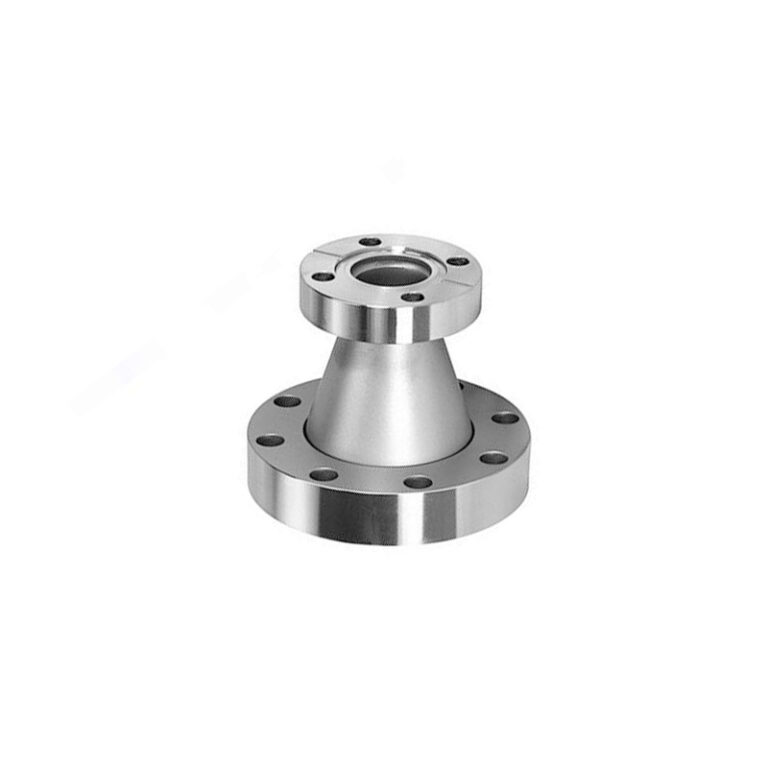
Choosing the right machining parts manufacturers is one of the most important decisions any industrial business can make. High-quality machining components directly impact product reliability, performance, assembly efficiency, and overall production costs. With hundreds of suppliers in the market—ranging from small workshops to advanced CNC-equipped factories—it can be difficult to know which partner is the best fit.
This comprehensive guide will help you understand what to look for, what pitfalls to avoid, and how to confidently select the best machining partner for your long-term success. Whether you are sourcing precision components for automotive, aerospace, medical devices, heavy machinery, or consumer products, these steps will simplify your selection process.
Why Choosing the Right Machining Partner Matters
The quality of machined components influences everything from product durability to customer satisfaction. A reliable supplier ensures consistent precision, meets tight tolerances, and delivers components that perfectly match your engineering specifications. When working with the best machining parts manufacturers, you benefit from:
- Fewer production delays
- Optimal component accuracy
- Higher assembly efficiency
- Reduced waste and rework
- Stronger product performance
- Long-term cost savings
A poor choice can result in inaccurate parts, missed deadlines, and costly re-engineering. That’s why due diligence is essential.
1. Evaluate the Manufacturer’s Technical Capabilities
Modern manufacturing depends heavily on advanced technology. When comparing machining parts manufacturers, examine their machinery, tools, and technology stack. A good supplier should have:
Advanced CNC Machines
- 3-axis, 4-axis, or 5-axis CNC machining
- Multi-function turning and milling centers
- Automated tool changers
Precision Measurement Tools
- CMM inspection equipment
- Surface roughness testers
- Laser measurement systems
- Digital calibration tools
Material Handling Capability
Your supplier should comfortably work with:
- Aluminum
- Stainless steel
- Titanium
- Brass
- Copper
- Plastics
- Custom alloys
A technologically advanced manufacturer consistently delivers accuracy, efficiency, and repeatability.
2. Review Experience and Industry Expertise
Not all machining companies are the same. You should choose machining parts manufacturers with experience in your specific industry. Each sector has unique standards, safety requirements, and tolerances.
Examples of sector expertise you should look for:
- Automotive: High-volume production, tight tolerances, and durable materials
- Aerospace: Ultra-precision, lightweight alloys, and strict certifications
- Medical: Cleanroom standards, biocompatible materials, and micro machining
- Electronics: Small parts, fine details, and accuracy
A manufacturer who understands your sector reduces risk and speeds up production—and eliminates the learning curve.
3. Check Certifications and Quality Assurance Procedures
Quality assurance should be a top priority. Before selecting a partner, confirm that the company follows international quality standards.
Important certifications include:
- ISO 9001: Quality Management
- ISO 13485: Medical Devices
- AS9100: Aerospace Manufacturing
- IATF 16949: Automotive Quality
You should also look for:
- Material traceability
- In-house inspection team
- Batch testing procedures
- Final product verification
A certified supplier ensures consistency, accuracy, and reliability in every batch.
4. Ask About Production Capacity and Delivery Time
A manufacturer might produce high-quality parts—but do they have the capacity to keep up with your demand? Always evaluate:
- Production speed
- Number of machines available
- Workforce size and skill level
- Maximum monthly output
- Lead time flexibility
- Ability to scale production for future growth
Reliable machining parts manufacturers should be able to accommodate both small prototype runs and large-volume orders without compromising quality.
5. Consider Customization Capabilities
Every business has unique component needs. Make sure the supplier can handle custom designs, engineering changes, and new product development.
Key customization strengths include:
- CAD/CAM design support
- Prototype machining
- Rapid sampling
- Tooling creation
- Custom finishes (anodizing, plating, powder-coating, polishing)
A flexible supplier improves efficiency, reduces downtime, and accelerates your time-to-market.
6. Evaluate Communication and Customer Support
Smooth communication is critical in manufacturing partnerships. You need a supplier who responds quickly, provides engineering support, and gives transparent updates on production.
What to look for:
- Clear and timely responses
- Dedicated account manager
- Detailed production reports
- Proactive problem-solving
- Ability to understand technical drawings
A trusted partner should work with you—not just for you.
7. Analyze Cost vs. Value
Price is important, but it shouldn’t be your only deciding factor. Instead, think in terms of long-term value.
Consider the following:
- Are you getting high-quality parts with minimal defects?
- Is the supplier transparent about costs?
- Do they offer options to reduce production cost?
- Are they helping you improve your product?
The best machining parts manufacturers deliver cost-effective solutions without sacrificing quality.
8. Inspect Previous Work and Client Feedback
Before finalizing a supplier, review their past work. Ask for machining samples, case studies, or client reviews.
What you should examine:
- Surface finish quality
- Dimensional accuracy
- Material consistency
- Attention to detail
- Previous customer satisfaction
This will help you confirm if the supplier can meet your expectations.
9. Assess Their Approach to Innovation & Future Growth
The manufacturing industry is evolving rapidly. A forward-thinking supplier invests in automation, robotics, new materials, and advanced machining processes.
Indicators of an innovative partner:
- Regular equipment upgrades
- Use of automation or robotic arms
- Smart manufacturing/Industry 4.0 systems
- Continuous training for machinists
- R&D capabilities
Choosing an innovative manufacturer ensures long-term compatibility and growth.
Final Thoughts: Making the Right Choice
Selecting the best machining partner requires careful evaluation, communication, and understanding of your technical needs.When you work with experienced, reliable machining parts manufacturers, your business benefits from precision, consistency, and a strong production backbone. A dependable manufacturer becomes more than a supplier—they become a strategic partner who supports your growth, improves product quality, and strengthens your competitiveness in the marketplace.