
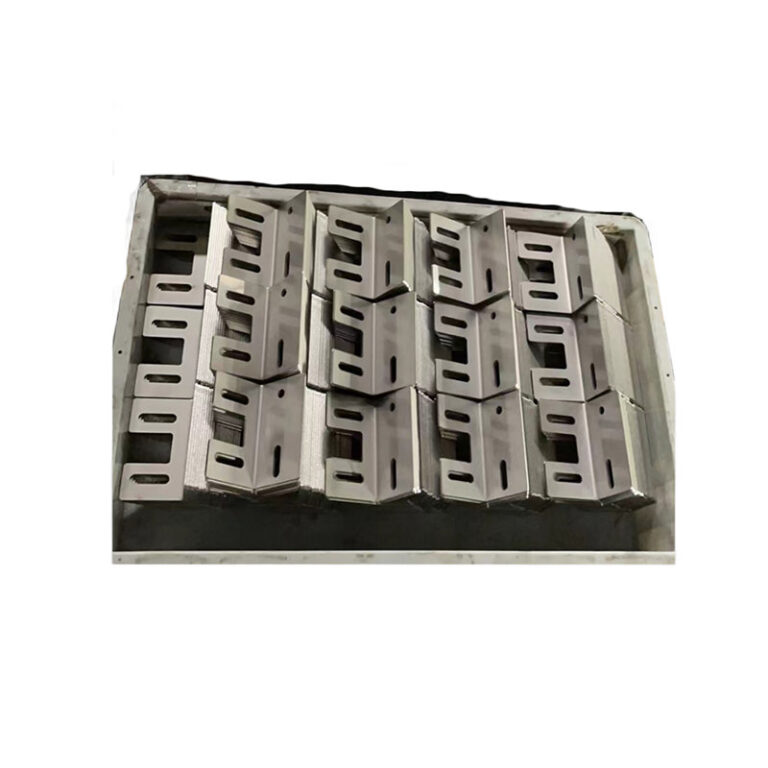
In today’s competitive manufacturing world, accuracy is no longer optional—it’s essential. That’s why precision machining has become the backbone of industries that demand tight tolerances, repeatable quality, and dependable performance. From automotive components to industrial equipment parts, this approach ensures every piece fits and functions exactly as designed.
At Newtop Industry Group, we see this discipline not as a buzzword, but as a practical system that turns ideas into reliable products. In this guide, you’ll learn what makes modern machining precise, where it delivers the most value, and how the right partner can help you achieve consistent results without delays or rework.
What Is Precision Machining?
Precision machining is a manufacturing process that removes material from a workpiece to achieve extremely accurate dimensions, surface finishes, and tolerances. The goal is simple: produce parts that match the design—every time, at scale.
Unlike general machining, precision-focused processes rely on:
- High-accuracy equipment (CNC mills, lathes, multi-axis machines)
- Controlled processes to reduce variation
- Skilled programming and inspection to verify results
- Documented quality systems, often aligned with standards from International Organization for Standardization
This combination makes it possible to build parts that fit complex assemblies, run smoothly, and last longer in real-world conditions.
Why Precision Matters More Than Ever
Manufacturing has changed. Products are lighter, smarter, and more integrated. Tolerances are tighter, and expectations are higher. Here’s why precision-focused methods are now a must-have:
1) Better Product Performance
When parts are made to exact specifications, they:
- Fit together without forcing or shimming
- Reduce vibration, noise, and wear
- Improve safety and reliability
This is especially important for components that operate under load, heat, or motion.
2) Less Waste, Lower Cost Over Time
Accurate processes reduce scrap and rework. While high-quality machining may seem like a premium choice, it usually lowers total cost by:
- Cutting down rejected parts
- Reducing assembly time
- Avoiding field failures and returns
3) Faster Time to Market
With stable, repeatable processes, manufacturers can move from prototype to production faster—without constant adjustments. That speed is a real competitive advantage.
Core Processes Behind Precision Machining
Several techniques work together to deliver reliable accuracy. Here are the most common ones you’ll see in a modern shop:
CNC Milling
CNC milling uses rotating cutting tools to shape parts from solid material. It’s ideal for:
- Complex 3D shapes
- Slots, pockets, and contours
- Tight tolerances on flat or prismatic parts
CNC Turning
Turning rotates the workpiece while a cutting tool shapes it. It’s perfect for:
- Shafts, bushings, and pins
- Round or cylindrical parts
- High-volume production with consistent results
Drilling, Tapping, and Boring
These finishing operations refine holes to exact sizes and thread forms, which is critical for assemblies that rely on fasteners or press-fit components.
Multi-Axis Machining
With 4-axis and 5-axis machines, multiple faces of a part can be machined in one setup. This improves:
- Accuracy (fewer re-clamps)
- Speed (less handling)
- Consistency across batches
Materials Commonly Used
Precision-focused shops work with a wide range of materials, depending on the application:
- Aluminum alloys – lightweight, easy to machine, great for housings and brackets
- Stainless steel – strong and corrosion-resistant for industrial and medical parts
- Carbon and alloy steels – for high-strength, load-bearing components
- Brass and copper – excellent for electrical and fluid systems
- Engineering plastics – for lightweight, low-friction, or insulated parts
Choosing the right material is just as important as choosing the right process. The best results come when design, material, and machining strategy are planned together.
How Design Impacts Machining Accuracy
Great parts start with great designs. Even the most advanced machine can’t fix a poor drawing. Smart design for manufacturability (DFM) focuses on:
- Clear tolerances—tight only where necessary
- Reasonable wall thickness to avoid vibration or distortion
- Standard hole sizes and features to reduce tool changes
- Simple setups to minimize errors
Many engineering teams use CAD tools like SolidWorks to model parts and simulate machining before the first chip is cut. This approach saves time and prevents costly surprises later.
Quality Control: The Hidden Hero
Accuracy isn’t just about cutting metal. It’s also about measuring and verifying. A strong quality system includes:
- In-process checks during machining
- Final inspection with calibrated tools (CMMs, micrometers, gauges)
- Documented procedures and traceability
- Continuous improvement based on data
This is where precision machining truly proves its value: not only in making parts, but in proving they meet requirements—every batch, every time.
Industries That Rely on High-Accuracy Machining
Many sectors depend on consistent, repeatable parts. A few examples include:
- Automotive – engine components, transmission parts, fixtures
- Industrial equipment – gears, shafts, housings, custom brackets
- Electronics – heat sinks, enclosures, connectors
- Energy – valve components, pump parts, structural fittings
- Medical and scientific – instruments, frames, and precision assemblies
In all these fields, even small dimensional errors can lead to performance issues or failures. That’s why precision machining is often specified as a requirement, not an option.
What Sets a Reliable Machining Partner Apart?
Not all machine shops deliver the same results. When choosing a supplier, look for these practical signs of capability:
1) Process Control, Not Just Equipment
Modern machines are important—but consistent processes matter more. Ask about:
- Setup procedures
- Tool management
- Inspection plans
- Training and documentation
2) Engineering Support
A good partner doesn’t just “cut to print.” They help you:
- Improve part designs for manufacturability
- Select better materials or tolerances
- Reduce cost without sacrificing function
3) Proven Track Record
Experience across different industries and part types usually means fewer surprises and smoother production ramps.
This is the approach Newtop Industry Group takes—combining practical engineering with disciplined production methods to deliver dependable components.
Common Myths About Precision Machining
Let’s clear up a few misunderstandings:
- “It’s always too expensive.”
In reality, it often saves money by reducing waste, rework, and failures. - “It’s only for aerospace or medical.”
Many everyday industrial parts benefit from tighter control and better finishes. - “Any CNC shop can do it.”
True precision is about systems, skills, and measurement—not just owning a machine.
The Real Business Benefits
When you invest in precision machining, you’re not just buying parts—you’re buying predictability. That shows up as:
- More stable supply chains
- Faster assembly and fewer line stoppages
- Better product reputation in the market
- Lower total cost of ownership
For growing manufacturers, these advantages can be the difference between reacting to problems and staying ahead of them.
How Newtop Industry Group Adds Value
Newtop Industry Group focuses on practical, results-driven manufacturing. The goal isn’t just to meet drawings—it’s to support your product goals with:
- Clear communication from design to delivery
- Reliable production planning
- Consistent quality checks
- On-time shipments you can build your schedule around
Whether you need small batches or repeat production, the team aligns processes to your requirements instead of forcing your project into a one-size-fits-all workflow.
Looking Ahead: The Future of High-Accuracy Manufacturing
Automation, smarter software, and better measurement tools are pushing the industry forward. We’re seeing:
- More multi-axis machining for complex parts
- Better simulation before cutting starts
- Tighter integration between design and production
- Greater focus on data-driven quality control
All of this makes precision machining more accessible, more reliable, and more valuable for businesses of every size.
Conclusion: Build Better Parts with the Right Partner
Accuracy isn’t just a technical detail—it’s a business advantage. From product performance to production efficiency, precision machining plays a key role in building components you can trust.
If you’re looking for a manufacturing partner that combines practical engineering with consistent results, Newtop Industry Group is ready to help. Explore how the right processes, the right mindset, and the right team can turn your designs into dependable, high-quality parts—on time and on spec.