
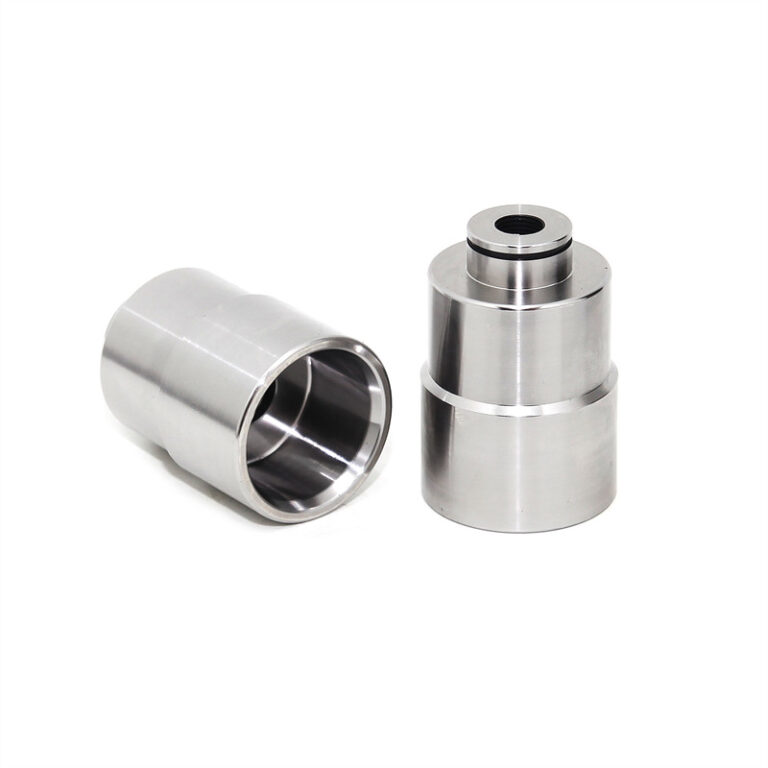
Choosing the right materials for CNC-machined car components is one of the most important decisions in modern manufacturing. As precision engineering continues to advance, manufacturers in the automotive cnc machining industry rely on materials that deliver strength, durability, heat resistance, and consistent performance under demanding conditions. Whether you’re producing complex engine components, custom brackets, transmission parts, or suspension upgrades, material selection directly influences the success of the final product.
we explore the best materials for CNC-machined car parts, highlighting their strengths, typical applications, and why they remain integral to the world of automotive cnc machining.
Why Material Choice Matters in CNC Machined Car Parts
CNC machining has become a foundational process in the automotive sector due to its accuracy, repeatability, and ability to produce tight-tolerance parts. However, no machining process can compensate for poor material choice. The right material determines:
- Performance under stress: Car parts endure heavy loads, vibrations, and high temperatures.
- Weight efficiency: Lightweight materials improve fuel efficiency and vehicle agility.
- Longevity and reliability: Proper material choices reduce wear and maintenance.
- Machinability: Some materials offer faster, cleaner cutting, reducing production time and cost.
To support both performance and manufacturing efficiency, CNC machinists and engineers must understand the strengths and limitations of each material option.
1. Aluminum Alloys
Aluminum is arguably the most popular choice for CNC-machined automotive components. Its combination of low weight, corrosion resistance, and excellent machinability makes it ideal for both structural and high-performance parts.
Top Grades for Car Parts
- 6061 Aluminum: Known for its balanced strength, machinability, and affordability.
- 7075 Aluminum: Significantly stronger than 6061 and commonly used in motorsport and aerospace applications.
- 2024 Aluminum: Excellent fatigue resistance, making it suitable for high-stress assemblies.
Key Advantages
- Lightweight for improved fuel efficiency
- Excellent strength-to-weight ratio
- Highly machinable with clean surface finishes
- Good corrosion resistance, especially with anodizing
Common Automotive Applications
- Engine brackets
- Intake manifolds
- Gearbox housings
- Suspension components
- Custom racing parts
Aluminum remains one of the backbone materials of automotive cnc machining, particularly for performance-focused projects.
2. Steel and Alloy Steels
For components that require superior strength, wear resistance, or impact resistance, steel is the material of choice. Though heavier and more challenging to machine than aluminum, steel offers unmatched durability.
Top Grades for Car Parts
- 1018 Steel: A low-carbon steel that’s easy to machine and weld.
- 4140 Chromoly Steel: High strength and fatigue resistance—perfect for motorsport and heavy-duty parts.
- 1045 Steel: Medium-carbon steel known for toughness and strength.
Key Advantages
- Exceptional strength and hardness
- Great wear resistance
- Suitable for heat treatment and surface hardening
- Cost-effective for high-stress parts
Common Automotive Applications
- Axles and drive shafts
- Gear components
- Crankshafts
- Steering components
- Chassis brackets
While steel may require more machining time, its mechanical performance is unmatched for critical load-bearing parts.
3. Stainless Steel
Stainless steel is widely used for car parts that require corrosion resistance combined with strength. Although heavier than aluminum and more costly to machine, it delivers exceptional durability and longevity.
Top Grades for Car Parts
- 304 Stainless Steel: Excellent corrosion resistance and good machinability.
- 316 Stainless Steel: Superior corrosion resistance, ideal for harsh environments.
- 17-4 PH Stainless Steel: High strength and hardness after heat treatment.
Key Advantages
- Highly resistant to rust and chemicals
- Strong and impact-resistant
- Good for exhaust-related components
- Suitable for decorative and structural parts
Common Automotive Applications
- Exhaust components
- Fuel system parts
- High-heat brackets
- Performance turbo housings
- Decorative trim with premium finish
Stainless steel remains one of the toughest materials in CNC machining for automotive environments where weather and heat exposure are constant.
4. Titanium Alloys
Titanium is the premium choice for high-performance or motorsport applications. It combines the lightweight properties of aluminum with the strength of steel, giving it exceptional mechanical performance.
Top Grades for Car Parts
- Grade 2 Titanium: Offers good strength and corrosion resistance.
- Grade 5 (Ti-6Al-4V): The most widely used and strongest titanium alloy.
Key Advantages
- Outstanding strength-to-weight ratio
- High corrosion resistance
- Excellent heat resistance
- Long lifespan under stress
Common Automotive Applications
- Racing engine components
- High-performance exhaust systems
- Suspension parts
- Fasteners and bolts
- Brake system components
While titanium is more expensive and difficult to machine, it’s the ideal choice for drivers and teams seeking maximum performance and minimal weight.
5. Plastics and Engineering Polymers
For non-structural car parts, engineering plastics offer light weight, electrical insulation, and cost benefits. They’re easy to machine and useful for prototyping and functional components.
Top Materials
- ABS: Affordable, lightweight, and strong for interior parts.
- Nylon: Good mechanical strength and wear resistance.
- Delrin (POM): Excellent dimensional stability and machinability.
- Polycarbonate: High impact resistance and clarity.
Key Advantages
- Lightweight
- Chemically resistant
- Good for non-load-bearing components
- Easy and fast to machine
Common Automotive Applications
- Interior components
- Gears and bushings
- Electrical housings
- Prototyping before metal machining
Plastics complement metals in automotive cnc machining, especially for parts where flexibility and low weight are more important than raw strength.
6. Copper and Brass
Copper and brass are used for specialized car parts requiring electrical or thermal conductivity, as well as components that benefit from easy machinability.
Top Benefits
- Excellent electrical conductivity
- High thermal transfer
- Attractive finish for decorative parts
Applications
- Electrical connectors
- Radiator components
- Custom fittings and couplings
- Decorative interior parts
Brass, in particular, machines exceptionally well and produces clean, smooth finishes.
Final Thoughts
Choosing the best materials for CNC-machined car parts depends on the specific mechanical, thermal, and performance requirements of the application. Aluminum and steels dominate due to their balance of strength, machinability, and cost. Titanium provides unmatched performance for motorsport, while plastics fill the role of lightweight, non-structural components. Copper and brass remain essential for specialized and electrical functions. By selecting the right material, engineers and manufacturers ensure that every CNC-machined component contributes to performance, reliability, and longevity—core values that define the future of precision engineering in the automotive world.