
Almost everything built from metal began as raw stock that someone had to cut, shape, and join. That broad craft is called Metal Fabrication, and it underpins industries from transportation to construction to electronics. Whether you are an engineer, a buyer, or a business owner planning a new product, knowing how it works makes your projects smoother. This guide comes from Newtop Engineering, a manufacturer based in Wuxi, China.
What Is Metal Fabrication?
Metal Fabrication is the process of creating metal parts, structures, and assemblies by cutting, bending, forming, welding, machining, and assembling raw material. It can produce small precision components or large structural frames. Unlike mass-produced catalog items, fabricated parts are often made to a customer’s drawing.
The Three Pillars Newtop Engineering Offers
CNC machining. Computer-controlled machines remove material to create precise shafts, housings, and complex shapes. Newtop Engineering describes 5-axis capabilities.
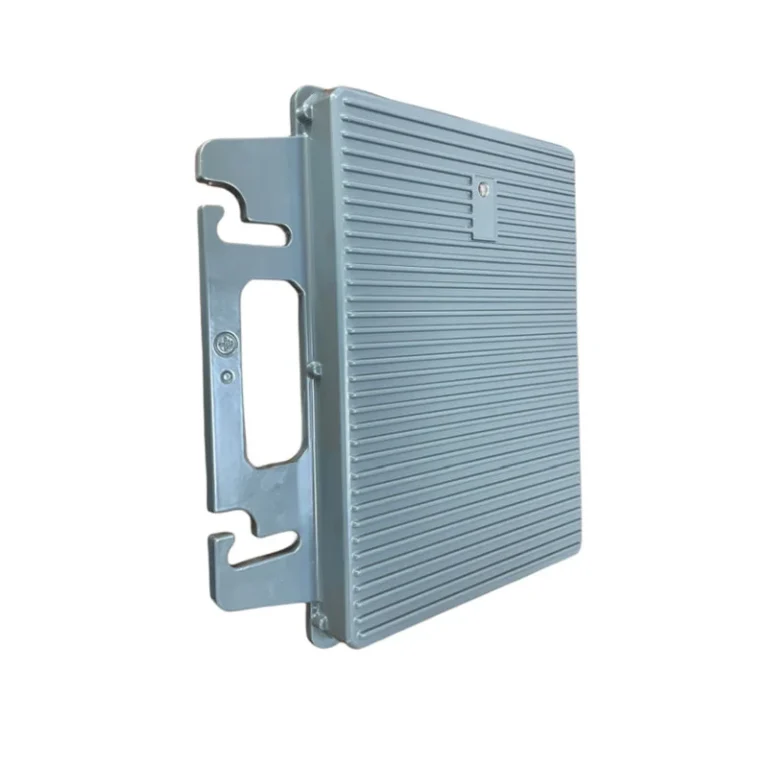
Sheet metal processing. Thin sheets are cut, bent, and assembled into enclosures, brackets, covers, and panels.
Steel fabrication. Steel is cut, bent, welded, and assembled into frames, bases, and structural components.
Many projects use more than one of these, which is why a supplier that covers all three can be convenient.
Common Materials
Steel is strong and economical. Stainless steel resists corrosion and suits demanding environments. Aluminum is light and easy to work. Alloy steel offers higher strength for tough applications. Newtop Engineering names steel, aluminum, and stainless steel for machining, and carbon steel, stainless steel, and alloy steel for fabrication.
How a Project Typically Flows
Step one is a drawing or 3D model. Step two is a quotation based on material, quantity, and complexity. Step three is a prototype or sample, if needed. Step four is production, followed by inspection and delivery. At each stage, clear communication helps prevent errors.
Cutting and Forming
Raw material is cut to size and shape. Forming then adds bends, angles, and curves. Accuracy at these early steps influences every later stage, so experienced operators and suitable equipment matter.
Welding and Assembly
Welding joins pieces into strong structures. It must be controlled to limit distortion and to ensure strength. After welding, parts may be machined for accuracy and then assembled with other components.
Where Fabricated Metal Is Used
Newtop Engineering names automotive, aerospace, electronics, medical devices, machinery, and construction among its industries, and describes experience in textiles, papermaking, photovoltaics, and lithium batteries. In each case, fabricated metal supplies frames, housings, supports, and mechanical parts.
What Affects Cost?
Material, thickness, size, complexity, tolerance requirements, and quantity all influence price. Tight tolerances and difficult materials increase machining time. Simpler designs, standard sizes, and sensible tolerances reduce cost. Ordering larger quantities can lower the unit price, although a prototype is a smart first step for new designs.
Quality Control
Quality control protects your investment. Dimensions should be measured, welds reviewed, and parts inspected before shipment. Newtop Engineering states that it applies strict quality control and final inspection. Ask about inspection methods for critical features.
Prototypes, Batches, and Full Production
Newtop Engineering supports prototypes, small batch production, and full-scale manufacturing. This flexibility suits startups testing a product as well as established manufacturers running regular orders.
Choosing a Fabricator
Experience, capability, and communication are the key factors. Newtop Engineering has operated since 2010 and describes more than 14 years of experience. Ask for samples or similar projects, confirm material and process capabilities, and get delivery expectations in writing.
Mistakes to Avoid
Avoid vague drawings, unnecessary tight tolerances, and price-only decisions. Do not skip sample approval for new designs, and always confirm packaging and shipping requirements.
Tolerances and Accuracy
Not every dimension needs the same level of precision. Critical fits, mounting holes, and sealing faces deserve tight limits, while general dimensions can allow wider variation. Defining tolerances sensibly keeps Metal Fabrication affordable and avoids unnecessary machining time.
Finishing and Protection
Finishing protects metal from corrosion and improves appearance. Options include paint, coating, or selecting a naturally corrosion-resistant material such as stainless steel. Choose finishing early, because it can affect dimensions, lead time, and cost. Tell your supplier which surfaces are visible and what standard of appearance you expect.
Design for Manufacturing
Design choices influence cost and quality. Use standard material sizes, keep shapes simple, leave access for welding and tools, and avoid features that need special setups. Ask your fabricator for feedback early. A short conversation before production can save time, reduce cost, and improve the final product.
Packaging and Delivery
Metal parts can be heavy and prone to scratches or corrosion during transit. Confirm packaging methods, labeling, and shipping terms before production ends. Good packaging ensures that parts arrive in the same condition in which they were inspected.
Questions to Ask Before You Order
What materials and processes are handled in-house? What tolerances can be held? How are parts inspected and packed? What is a realistic lead time for samples and production? Good answers show capability and help you plan your own schedule with confidence.
Keep Records and Revisions
Maintain a clear record of drawing revisions, approved samples, and written confirmations. When you reorder, send the latest approved drawing and reference the earlier order. Good records keep quality consistent from one batch to the next.
Who Needs Fabricated Metal?
Equipment builders, machine manufacturers, startups developing hardware, and construction suppliers all rely on fabricated metal. If you order regularly, share your forecast so the supplier can plan materials and capacity. Reliable communication about volume and schedule produces steadier lead times and fewer last-minute problems.
Contact Newtop Engineering
If you need Metal Fabrication for a new product or ongoing production, contact Newtop Engineering. Email lujacknewtop@sina.com or call +86 13951565790 with your drawings, material, and quantity, and the team can discuss your requirements.