
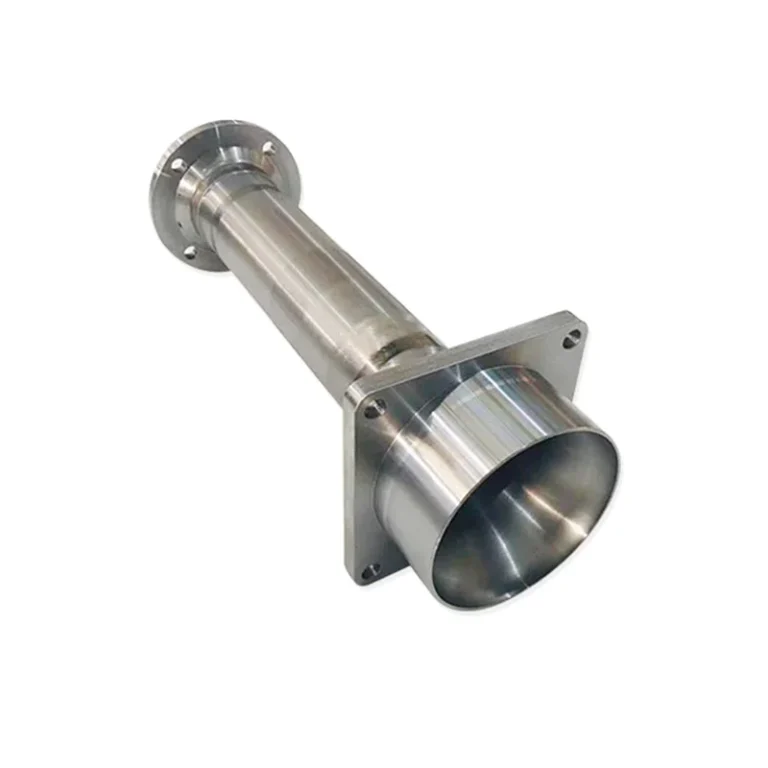
Strong metal structures are an important part of modern construction and manufacturing. From industrial equipment and support frames to custom components and structural assemblies, steel is trusted because of its strength, durability, and versatility. Steel fabrication turns raw steel into useful products that meet specific design and performance requirements.
For businesses that need dependable metal components, the fabrication process must combine accurate cutting, skilled workmanship, proper joining methods, and careful inspection. Newtop Industry Group understands the importance of these factors and supports projects that require practical, durable, and accurately fabricated steel solutions.
What Is Steel Fabrication?
Steel fabrication is the process of transforming raw steel into finished structures, components, or assemblies. Fabricators use engineering drawings, measurements, specialized machinery, and different joining techniques to create products based on a customer’s requirements.
Unlike simply purchasing standard steel products, fabrication allows businesses to create components designed for a particular application.
A typical fabrication project may involve:
- Cutting steel to specific dimensions
- Drilling and creating holes
- Bending or forming metal
- Welding individual components
- Grinding and finishing surfaces
- Inspecting completed assemblies
- Applying protective coatings when required
Because every project can have different specifications, careful planning is essential from the beginning.
Why Steel Is a Popular Fabrication Material
Steel remains one of the most widely used engineering materials because it offers a useful balance of strength, durability, availability, and cost.
Depending on the grade and application, steel can provide:
- High structural strength
- Good resistance to mechanical loads
- Long service life
- Reliable weldability
- Flexible fabrication options
- Availability in different shapes and sizes
For example, structural steel may be used for frames and supports, while specialized steel grades may be selected for applications that require greater corrosion resistance or specific mechanical properties.
The material should always be selected according to the environment and intended use of the finished product.
Common Types of Steel Used in Fabrication
Different applications require different steel grades. Selecting the appropriate material can affect performance, durability, cost, and maintenance.
Carbon Steel
Carbon steel is commonly used for structural components, frames, machinery parts, brackets, and general fabrication. It provides good strength and is available in many forms.
Stainless Steel
Stainless steel contains alloying elements that improve corrosion resistance. It is often selected for applications where appearance, hygiene, moisture resistance, or chemical exposure are important.
Galvanized Steel
Galvanized steel has a protective zinc coating designed to help protect the underlying steel from corrosion. It can be useful for outdoor or moisture-exposed applications.
Alloy Steel
Alloy steels contain additional elements that can improve specific properties such as strength, hardness, or wear resistance. They may be chosen for more demanding engineering applications.
The right material depends on factors such as load, temperature, exposure, expected service life, and budget.
Main Processes Used in Steel Fabrication
Modern steel fabrication combines several processes to turn raw material into a finished product. The exact sequence depends on the design and project requirements.
Steel Cutting
Cutting is often the first major fabrication operation. Steel can be cut using different technologies depending on thickness, material type, required accuracy, and production volume.
Common methods include:
- Laser cutting
- Plasma cutting
- Saw cutting
- Flame cutting
- Shearing
Accurate cutting provides a strong foundation for the later fabrication stages.
Drilling and Machining
Steel components may require holes for bolts, fasteners, bearings, or other connections. Drilling and machining equipment can create these features according to the engineering drawing.
In projects that require highly accurate holes or complex features, CNC machining may be combined with fabrication.
Bending and Forming
Some steel components need to be bent into specific shapes. Press brakes, rollers, and other forming equipment can help create angles, curves, channels, and other profiles.
Correct forming is important because inaccurate bends can affect final assembly.
Welding
Welding is one of the most important joining methods in steel fabrication. It creates a strong connection between two or more steel components.
Common welding processes include:
- MIG welding
- TIG welding
- Stick welding
- Flux-cored welding
The appropriate method depends on the material, thickness, joint design, application, and required finish.
Grinding and Finishing
After cutting and welding, fabricated components may require grinding, deburring, cleaning, or surface preparation.
These operations can improve appearance, remove sharp edges, and prepare the surface for additional treatments.
Applications of Steel Fabrication
Steel fabrication is used across a wide range of industries because fabricated steel can be customized for many different purposes.
Construction
Construction projects use fabricated steel for structural frames, staircases, platforms, supports, railings, brackets, and other components.
The ability to manufacture steel according to project drawings makes fabrication useful for both new construction and modification work.
Industrial Equipment
Factories and industrial facilities often require custom frames, machine supports, guards, platforms, workstations, and equipment structures.
These components may need to fit around existing machinery or specific production layouts. Custom fabrication provides greater flexibility than standard off-the-shelf products.
Automotive Manufacturing
Automotive production facilities use fabricated steel components for equipment frames, production supports, fixtures, workstations, storage systems, and other industrial applications.
Steel’s strength makes it suitable for environments where components need to withstand regular mechanical use.
Energy and Infrastructure
Energy facilities and infrastructure projects may require strong steel platforms, supports, access structures, equipment frames, and custom assemblies.
Depending on the application, material selection and protective treatment can play an important role in long-term performance.
Benefits of Custom Steel Fabrication
Choosing custom fabrication can offer several advantages over standard components.
Designed for the Application
Custom-fabricated products can be created according to exact dimensions and project requirements. This can be particularly valuable when a component needs to fit within a limited space.
Strong and Durable
Steel provides excellent strength for many structural and industrial applications. With suitable material selection and protection, fabricated steel can provide long-term service.
Design Flexibility
Fabrication allows manufacturers to combine different shapes, sizes, and components into one finished assembly.
This flexibility makes it possible to create products that would be difficult to source as standard items.
Easier Maintenance and Modification
A well-planned fabricated structure can be designed with maintenance and future modifications in mind. This can make repairs or upgrades easier over the product’s service life.
Cost Control
Although custom fabrication requires planning, it can reduce unnecessary material or installation work when the product is designed specifically for its intended application.
Quality Control in Steel Fabrication
Quality control is essential because fabricated steel components often become part of larger structures or machinery.
A proper inspection process can include:
- Checking material specifications
- Verifying dimensions
- Inspecting welds
- Measuring angles and alignment
- Checking hole positions
- Examining surface condition
- Reviewing finishing requirements
Weld inspection is particularly important for structural or load-bearing components. Depending on the project, visual inspection and other testing methods may be used.
Clear documentation also helps maintain consistency when a project includes multiple fabricated components.
How to Plan a Steel Fabrication Project
Good planning can prevent many common problems. Before production starts, customers should provide as much technical information as possible.
Important project details may include:
- Engineering drawings
- Material specifications
- Component dimensions
- Required tolerances
- Welding requirements
- Surface finishing needs
- Quantity
- Installation conditions
- Expected delivery schedule
It is also helpful to discuss how the finished component will be transported and installed. Large assemblies may need to be divided into smaller sections for easier handling.
By considering these factors early, manufacturers can identify potential production or installation issues before fabrication begins.
Steel Fabrication and Modern Manufacturing
Today’s fabrication industry is increasingly supported by digital design and automated manufacturing technologies.
CAD software allows engineers to develop detailed models before production. CNC cutting equipment can then transfer those digital specifications into physical components with controlled accuracy.
This combination of digital design and skilled fabrication can improve:
- Production consistency
- Material planning
- Cutting accuracy
- Project documentation
- Repeat production
- Manufacturing efficiency
However, technology alone is not enough. Skilled workers and experienced engineers remain important for setup, welding, inspection, problem-solving, and final quality control.
How to Choose a Steel Fabrication Company
Choosing the right supplier can have a direct impact on project quality and delivery.
Before selecting a fabrication partner, consider:
- Fabrication equipment
- Engineering capabilities
- Material experience
- Welding expertise
- Quality inspection processes
- Production capacity
- Custom fabrication experience
- Communication and project support
It is also useful to ask how the supplier handles technical drawings, material verification, quality checks, and changes during production.
A reliable partner should be willing to understand the application rather than simply manufacture according to a drawing without considering practical requirements.
Newtop Industry Group focuses on understanding project specifications and delivering manufacturing solutions based on individual requirements. This approach can help businesses manage custom components while maintaining attention to quality and production consistency.
The Future of Steel Fabrication
Steel fabrication continues to evolve as manufacturers adopt better cutting equipment, digital design systems, automated processes, and improved inspection technologies.
At the same time, customers are looking for solutions that are stronger, more efficient, easier to install, and designed for longer service life.
Modern steel fabrication is therefore not just about cutting and welding metal. It involves engineering, planning, material selection, precision, quality control, and efficient production.
As industrial and construction requirements become more specialized, the ability to create custom steel solutions will remain valuable.
Final Thoughts
Steel fabrication provides a practical way to transform raw steel into strong, durable, and application-specific products. From construction structures and industrial equipment to custom brackets and specialized assemblies, fabricated steel supports a wide range of modern projects.
Successful fabrication depends on several factors, including accurate design, appropriate material selection, skilled welding, precise cutting, careful finishing, and thorough quality inspection. When these elements work together, businesses can receive components that are built for their intended purpose.
For companies looking for reliable fabrication and engineering support, Newtop Industry Group can help turn project requirements into practical manufacturing solutions. If you are planning a custom steel project, discussing your drawings, materials, dimensions, and performance requirements with an experienced fabrication partner is a smart first step toward achieving a dependable result.