
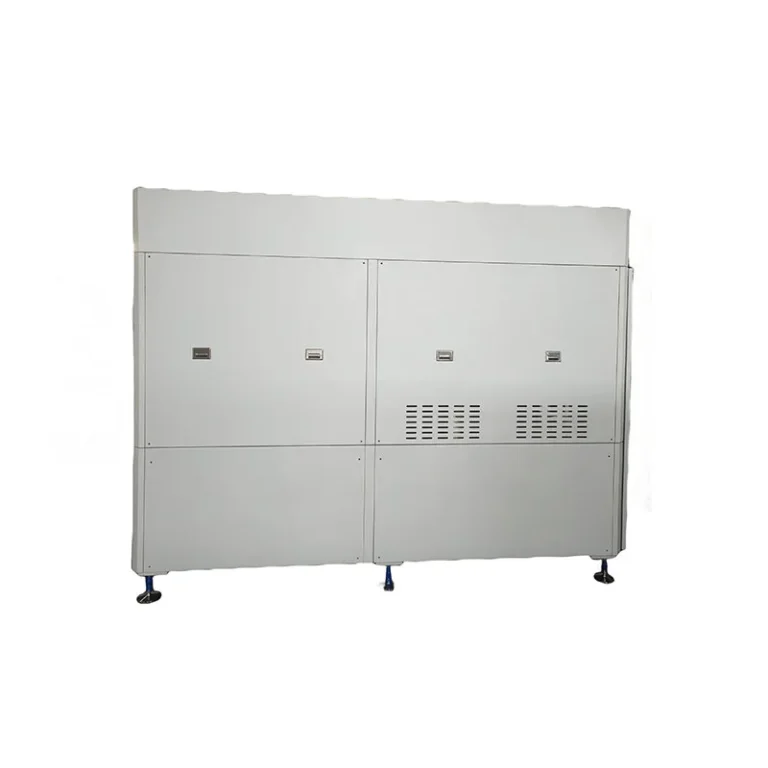
Modern manufacturing requires components that are accurate, durable, and consistent. From industrial enclosures and machine parts to brackets and custom assemblies, sheet metal products must often meet exact dimensional requirements. Precision sheet metal fabrication provides an efficient way to transform flat metal sheets into detailed components designed for specific applications.
The process combines digital design, advanced cutting equipment, forming, joining, finishing, and quality inspection. As a result, manufacturers can produce parts that fit correctly and perform reliably. Newtop Industry Group supports custom manufacturing requirements where accuracy, consistency, and practical production methods are essential.
What Is Precision Sheet Metal Fabrication?
Precision sheet metal fabrication is the process of manufacturing components from metal sheets according to detailed engineering specifications. It combines fabrication techniques with controlled measurements to achieve the required dimensions and features.
Depending on the project, the process may include:
- Laser or plasma cutting
- CNC punching
- Sheet bending
- Forming
- Welding
- Drilling
- Threading
- Deburring
- Surface finishing
- Quality inspection
The material can be processed into simple shapes or complex assemblies. The exact production method depends on the material, thickness, geometry, quantity, and required tolerances.
Why Sheet Metal Precision Matters
A sheet metal component may need to fit into a machine, enclosure, frame, or larger assembly. Even a small dimensional error can cause problems during installation.
For example, consider an electrical enclosure with several mounting holes. If those holes are slightly out of position, the enclosure may not align properly with the equipment.
Precision fabrication helps control important features such as:
- Overall dimensions
- Bend angles
- Hole locations
- Cutout sizes
- Material thickness
- Edge quality
- Surface finish
- Component alignment
Therefore, accurate fabrication can reduce assembly problems and improve the consistency of finished products.
Materials Used in Sheet Metal Fabrication
Different applications require different materials. Choosing the right material can affect strength, weight, corrosion resistance, appearance, and manufacturing cost.
Stainless Steel
Stainless steel is widely used when corrosion resistance and durability are important. It can be suitable for industrial equipment, food-processing components, enclosures, architectural products, and other demanding applications.
Aluminum
Aluminum is lightweight and offers good corrosion resistance. It is often selected when reducing component weight is important.
Carbon Steel
Carbon steel provides good strength and is commonly used for brackets, frames, machine components, cabinets, and general industrial fabrication.
Galvanized Steel
Galvanized steel has a zinc coating that helps protect the surface from corrosion. It can be useful for certain outdoor and industrial applications.
Copper
Copper offers excellent electrical and thermal conductivity. As a result, it can be selected for specialized electrical or heat-transfer components.
Material selection should always consider the component’s operating environment and performance requirements.
Main Processes Used in Precision Sheet Metal Fabrication
A complete project may involve several manufacturing stages. Each step contributes to the accuracy and quality of the final component.
Laser Cutting
Laser cutting uses a focused beam to cut sheet material according to a programmed design. It can produce detailed profiles and precise openings while supporting repeatable production.
This method is particularly useful when a project contains complex shapes, slots, holes, or cutouts.
CNC Punching
CNC punching uses programmed tools to create holes, slots, and other features in sheet metal.
It can be effective for components that require repeated patterns or multiple openings.
Sheet Metal Bending
After cutting, flat sheets are often formed into three-dimensional shapes.
Press brakes and other forming equipment can create:
- Angles
- Channels
- Flanges
- Boxes
- Brackets
- Enclosures
Bending accuracy is important because incorrect angles can affect the final dimensions of an assembly.
Welding
Welding joins separate pieces of sheet metal into a finished structure. Depending on the material and application, manufacturers may use MIG, TIG, or other welding techniques.
For visible products, weld quality can affect both structural performance and appearance.
Deburring and Finishing
Cutting and forming may leave sharp edges or surface imperfections. Deburring removes unwanted edges and helps make components safer to handle.
Additional finishing processes may include:
- Powder coating
- Anodizing
- Plating
- Brushing
- Polishing
- Protective coatings
The correct finish depends on the product’s appearance, environment, and functional requirements.
Applications of Precision Sheet Metal Fabrication
Sheet metal fabrication is used across many industries because the process can create both simple and highly detailed components.
Industrial Equipment
Factories and machinery manufacturers often require custom brackets, guards, panels, frames, covers, and equipment enclosures.
These parts may need to fit around existing machinery, making custom fabrication especially useful.
Electrical Enclosures
Electrical and electronic systems often require protective enclosures with accurately positioned openings, mounting points, ventilation features, and access panels.
Precision manufacturing helps ensure that equipment fits properly inside the enclosure.
Automotive Manufacturing
Automotive production uses many sheet metal components, including brackets, covers, panels, supports, and custom fixtures.
Consistent dimensions are important because these components often form part of larger assemblies.
Commercial Products
Retail equipment, cabinets, displays, counters, and other commercial products may use fabricated sheet metal components.
In these applications, appearance can be just as important as dimensional accuracy.
HVAC and Mechanical Systems
Sheet metal is widely used for ducts, housings, brackets, covers, and mechanical equipment components.
Fabrication allows manufacturers to produce parts according to project-specific measurements rather than relying only on standard sizes.
Benefits of Precision Sheet Metal Fabrication
Choosing a precision approach offers several practical benefits.
Consistent Production
Once a design and production process have been established, the same component can be produced repeatedly with consistent dimensions.
This is useful for businesses that require batches of identical parts.
Efficient Material Usage
Modern cutting software can help plan layouts efficiently. Better nesting can reduce unnecessary material waste and improve overall production efficiency.
Design Flexibility
Sheet metal can be cut and formed into many different shapes. This gives engineers considerable freedom when developing custom components.
Faster Product Development
CNC-based manufacturing can connect digital designs with physical production. This makes it easier to create prototypes and evaluate a product before committing to larger production quantities.
Scalable Manufacturing
The same basic manufacturing approach can support prototypes, small batches, and larger production requirements, depending on equipment and project complexity.
The Role of CAD in Sheet Metal Manufacturing
Computer-aided design plays an important role in modern fabrication.
Engineers can create detailed digital models that define:
- Dimensions
- Hole positions
- Bend locations
- Material thickness
- Cutout shapes
- Assembly relationships
These files can then support manufacturing programming and production planning.
Digital design also makes revisions easier. If a customer changes a hole location or modifies a bend, the design can be updated before production begins.
This helps reduce manual errors and makes communication between engineering and manufacturing teams more efficient.
Quality Control and Inspection
Quality control is essential when manufacturing components that need to fit precisely.
Depending on the project, manufacturers may inspect:
- Sheet thickness
- Overall dimensions
- Hole diameter
- Hole position
- Bend angles
- Flatness
- Weld quality
- Surface finish
Measurement tools may include calipers, micrometers, gauges, height measurement equipment, and more advanced inspection systems when required.
A strong inspection process helps identify problems before components reach final assembly.
Newtop Industry Group recognizes that precision is not limited to cutting accuracy. Material selection, forming, joining, finishing, and final inspection all contribute to the quality of the finished part.
How to Reduce Sheet Metal Fabrication Costs
Precision does not have to mean unnecessary expense. Good design and early planning can improve efficiency.
Businesses can control costs by:
- Choosing practical tolerances
- Using standard material thicknesses where suitable
- Reducing unnecessary bends
- Optimizing sheet layouts
- Designing parts for efficient tooling
- Combining compatible operations
- Providing complete technical drawings
For example, specifying extremely tight tolerances for features that do not require them can increase production and inspection time. Applying tighter tolerances only to critical dimensions can provide a better balance between accuracy and cost.
How to Choose a Sheet Metal Fabrication Partner
The right fabrication partner can have a major impact on project quality and delivery.
Before selecting a supplier, consider:
- Available CNC equipment
- Cutting capabilities
- Bending capacity
- Welding expertise
- Material experience
- Quality control procedures
- Prototype support
- Production capacity
- Communication and technical support
It is also important to confirm whether the supplier can handle your required material, thickness, dimensions, finishing process, and production volume.
A supplier that understands manufacturability can often identify design improvements before production begins.
The Future of Precision Sheet Metal Manufacturing
Sheet metal manufacturing continues to evolve through automation, digital design, improved CNC equipment, and advanced inspection technology.
Manufacturers can now connect CAD models, cutting systems, bending machines, production planning, and quality inspection more closely than before.
At the same time, customers expect components that are lighter, stronger, more accurate, and faster to produce.
Because of this, precision sheet metal fabrication will continue to be valuable across industrial, commercial, automotive, electronics, and engineering applications.
The future will likely combine advanced automation with skilled human oversight. Machines can provide repeatability and speed, while experienced professionals remain essential for engineering decisions, quality control, and problem-solving.
Final Thoughts
Precision sheet metal fabrication provides a reliable way to transform flat metal sheets into accurate, functional, and durable components. Through cutting, punching, bending, welding, finishing, and inspection, manufacturers can create products that meet detailed engineering requirements.
The success of a fabrication project depends on more than advanced machinery. Clear designs, appropriate materials, practical tolerances, skilled production, and thorough quality checks all play an important role.
For businesses that need dependable custom sheet metal solutions, Newtop Industry Group offers a practical manufacturing approach focused on project requirements, production accuracy, and consistent quality.
If you are planning a new sheet metal component, prototype, enclosure, bracket, or custom assembly, providing clear drawings and specifications at the start can help create a smoother and more efficient path from design to finished product.