
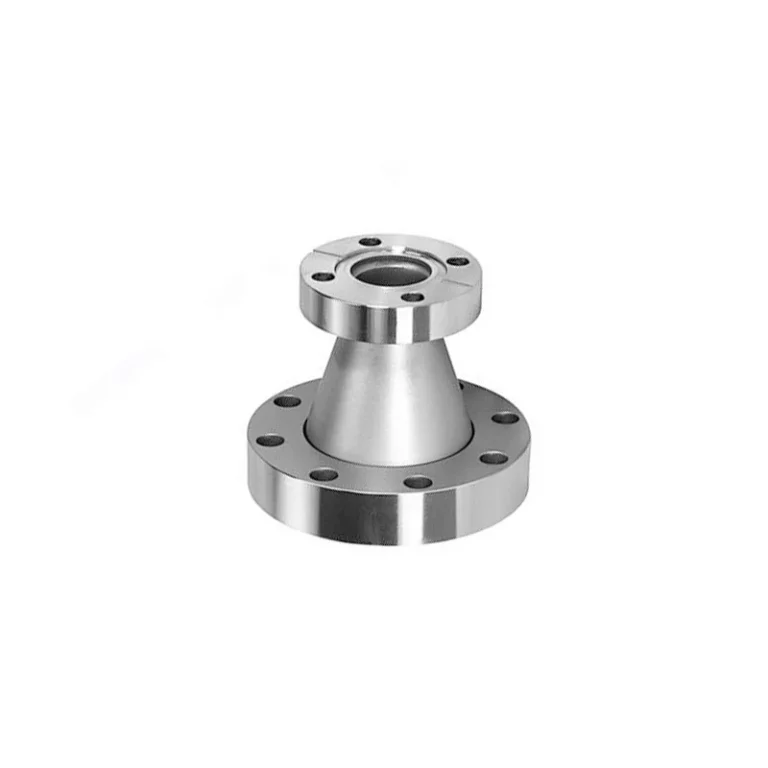
Modern manufacturing depends on accuracy, consistency, and dependable performance. From industrial equipment to automotive systems, even a small dimensional error can affect the final product. This is where cnc precision machining parts provide a practical solution. CNC technology allows manufacturers to create detailed components with controlled dimensions, repeatable results, and excellent surface quality.
For companies that need reliable custom components, choosing an experienced manufacturing partner is important. Newtop Industry Group combines modern machining methods with careful production practices to support different industrial requirements. Whether a project involves a prototype, a small batch, or repeated production, precision machining can help turn a detailed design into a dependable finished component.
What Are CNC Precision Machining Parts?
CNC precision machining parts are components manufactured using computer-controlled machines. CNC stands for Computer Numerical Control. Instead of relying mainly on manual tool movement, a programmed machine follows specific instructions to cut, drill, shape, and finish a workpiece.
The process starts with a digital design, usually created using CAD software. The design provides the dimensions and features required for the component. Machining software then helps create the instructions that guide the CNC equipment.
Depending on the design, manufacturers may use:
- CNC milling
- CNC turning
- CNC drilling
- CNC boring
- CNC tapping
- Multi-axis machining
- Surface finishing operations
This controlled approach makes CNC machining suitable for parts where accurate dimensions and repeatable production are important.
Why Precision Matters in Machined Components
A machined component may need to connect with several other parts. Therefore, its dimensions cannot simply be approximate.
For example, a mounting bracket may require accurately positioned holes. A shaft may need a specific diameter to fit inside a bearing. Similarly, a housing may require precise internal dimensions so that another component can move or sit correctly.
Precision machining helps manufacturers control important characteristics such as:
- Length and width
- Hole diameter
- Thread dimensions
- Part thickness
- Flatness
- Surface finish
- Geometric tolerances
- Component alignment
As a result, manufacturers can produce parts that are more consistent from one production run to another.
Materials Used for CNC Precision Machining
One major advantage of CNC machining is its ability to work with many different materials. The correct material depends on the application, environment, strength requirements, and budget.
Aluminum
Aluminum is popular because it is lightweight, corrosion resistant, and relatively easy to machine. It is often used for housings, brackets, covers, structural components, and other parts where weight reduction matters.
Stainless Steel
Stainless steel offers strength and corrosion resistance. It can be suitable for industrial equipment, medical-related components, food-processing machinery, and applications exposed to demanding environments.
Carbon Steel
Carbon steel can provide a useful combination of strength and machinability. It is commonly considered for components that need to withstand mechanical loads.
Brass and Copper
Brass is valued for its machinability and appearance, while copper offers excellent electrical and thermal conductivity. Both materials can be used for specialized components.
Engineering Plastics
Some applications require lightweight or electrically insulating materials. Engineering plastics can provide useful properties for specific components and operating conditions.
Selecting the right material early in the project helps ensure that the finished part meets its intended requirements.
Common Applications of CNC Precision Machining
The demand for precision-machined components extends across many industries. Because CNC equipment can handle different materials and geometries, it offers considerable manufacturing flexibility.
Automotive Components
Automotive systems require many accurately produced components. CNC machining can support the production of brackets, housings, shafts, mounts, adapters, and other custom parts.
The ability to maintain consistent dimensions is especially valuable when several components must work together within a mechanical assembly.
Industrial Machinery
Industrial machines often contain numerous custom components. CNC machining can produce gears, brackets, fixtures, shafts, covers, mounting plates, and other parts according to detailed engineering drawings.
Electronics and Electrical Equipment
Electronic equipment may require small housings, mounting components, heat-management parts, connectors, and structural pieces. CNC machining can provide the dimensional control needed for these applications.
Medical and Laboratory Equipment
Certain medical and laboratory products require components with carefully controlled dimensions and surface characteristics. Depending on the application and applicable requirements, CNC machining can be used to manufacture specialized components.
Aerospace and Engineering Applications
Aerospace and advanced engineering applications can demand lightweight materials, complex geometries, and tight tolerances. CNC machining provides the flexibility required for many prototype and production components.
Benefits of CNC Precision Machining
Using CNC technology offers several advantages compared with less automated machining methods.
High Repeatability
Once the machining process has been properly programmed, the same tool movements can be repeated for multiple components.
This helps manufacturers maintain consistency when producing batches of identical parts.
Complex Geometries
Modern CNC machines can create detailed shapes, pockets, slots, holes, contours, and other features that may be difficult to produce manually.
Multi-axis machining can provide additional flexibility when a component has features across several surfaces.
Better Production Control
CNC machining reduces dependence on continuous manual tool movement. Operators can focus more on machine setup, process monitoring, inspection, and quality control.
Therefore, the overall process can become more organized and predictable.
Efficient Material Removal
CNC software allows manufacturers to plan cutting paths before production. Proper toolpath planning can reduce unnecessary movements and improve machining efficiency.
Suitable for Prototypes and Production
CNC machining is not limited to large manufacturing runs. It can also be useful when a business needs only a few components for testing or product development.
This flexibility makes it valuable throughout the product development cycle.
How CNC Precision Machining Parts Are Made
The production process normally includes several important stages.
Design and Engineering
The process begins with a technical drawing or 3D CAD model. Engineers define dimensions, tolerances, material specifications, and other important requirements.
Material Preparation
The selected raw material is prepared according to the component’s size and machining requirements.
CNC Programming
The digital design is converted into machine instructions. Tool selection, cutting speeds, feeds, machining sequences, and workholding methods may be considered during this stage.
Machining
The CNC machine removes material according to the programmed instructions. Depending on the component, several operations may be required.
Inspection
After machining, the component is inspected against the required specifications. Measurements may include dimensions, hole locations, thickness, threads, and surface characteristics.
Finishing
Some parts require additional finishing processes. These may include deburring, polishing, anodizing, plating, coating, or other treatments depending on the application.
This step-by-step approach helps transform a digital design into a finished component that is ready for its intended use.
Factors to Consider Before Ordering Machined Parts
Before sending a component for production, businesses should provide clear technical information.
Important details include:
- Material type and grade
- Technical drawings
- 3D CAD files
- Required tolerances
- Surface finish requirements
- Quantity
- Expected production schedule
- Inspection requirements
- Special finishing needs
Clear specifications reduce the risk of misunderstandings and can help manufacturers provide a more accurate production plan.
It is also useful to discuss critical dimensions before machining begins. Not every feature needs the same tolerance, so identifying the most important areas can help control both quality and production costs.
Quality Control and Inspection
Quality control is a key part of producing reliable components. A finished part may look correct while still having a dimensional issue that affects assembly.
For this reason, manufacturers can use different measurement methods depending on the component and required accuracy.
Inspection may include:
- Digital calipers
- Micrometers
- Height gauges
- Thread gauges
- Coordinate measuring equipment
- Surface measurement tools
The appropriate inspection method depends on the part’s design and tolerance requirements.
For Newtop Industry Group, careful attention to specifications and production consistency helps support customers who need dependable machined components for different applications.
How to Reduce CNC Machining Costs
Precision does not always mean high production costs. Smart design and early planning can make machining more efficient.
Businesses can consider several approaches:
- Avoid unnecessarily tight tolerances.
- Choose readily available materials where suitable.
- Reduce complex setups when possible.
- Design parts with practical tool access.
- Combine compatible machining operations.
- Order suitable quantities for the project.
- Discuss manufacturability before production.
For example, requiring extremely tight tolerances on every surface may increase machining time and inspection requirements. Applying tighter tolerances only where they are genuinely needed can create a better balance between performance and cost.
The Future of Precision CNC Manufacturing
Manufacturing technology continues to develop. Faster CNC equipment, improved software, automation, digital inspection, and advanced tooling are changing how precision components are produced.
At the same time, industries are demanding lighter products, smaller components, more complex designs, and faster development cycles.
As these requirements grow, cnc precision machining parts will continue to play an important role in modern manufacturing. Digital workflows can also connect design, machining, inspection, and production planning more closely.
This creates opportunities for manufacturers to improve efficiency while maintaining the accuracy expected from modern engineering components.
Choosing the Right Manufacturing Partner
A good machining partner should understand more than how to operate CNC equipment. The supplier should also understand materials, engineering drawings, tolerances, finishing requirements, quality inspection, and production planning.
When evaluating a supplier, consider:
- CNC equipment and capabilities
- Engineering experience
- Material knowledge
- Quality inspection processes
- Prototype capabilities
- Production capacity
- Communication
- Delivery reliability
A supplier that understands the complete manufacturing process can help identify potential issues before they become costly production problems.
Newtop Industry Group focuses on providing practical manufacturing solutions based on individual project requirements. By discussing specifications clearly from the beginning, customers can make better decisions about machining methods, materials, tolerances, and finishing.
Final Thoughts
CNC precision machining parts are essential for industries that depend on accurate, repeatable, and reliable components. From automotive and industrial equipment to electronics and specialized engineering applications, CNC machining provides the flexibility needed to manufacture components with controlled dimensions and complex features.
The quality of a machined component depends on more than the machine itself. Good design, suitable materials, accurate programming, proper tooling, skilled production, and careful inspection all contribute to the final result.
For businesses looking for dependable machining solutions, Newtop Industry Group can be a practical partner for projects that require precision and consistency. Whether you are developing a prototype or planning ongoing production, discussing your technical requirements with an experienced manufacturer can help you move from design to finished component with greater confidence.