
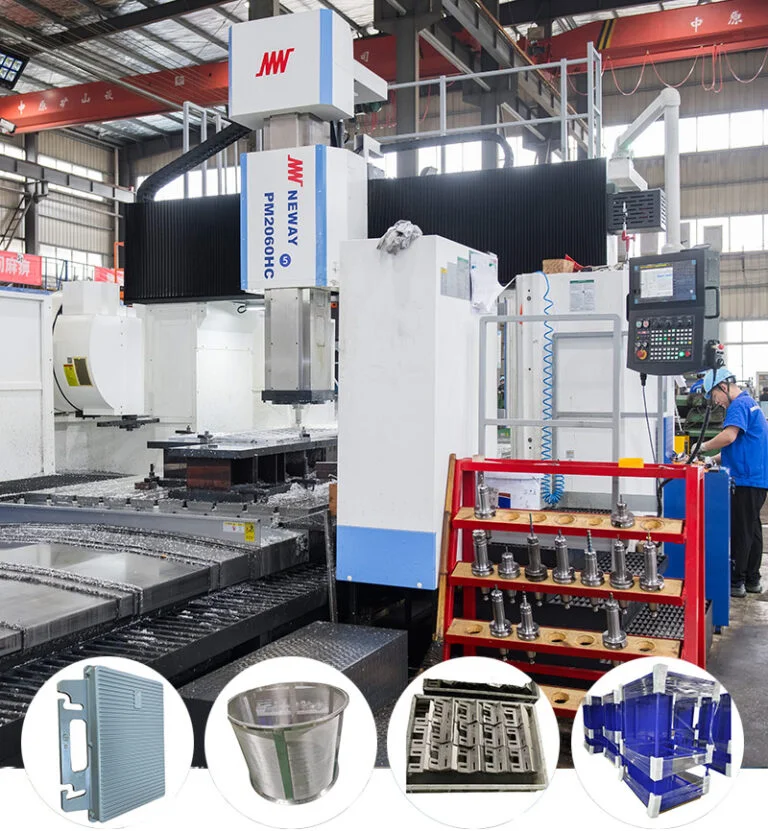
Modern vehicles depend on parts that must fit correctly, perform reliably, and handle demanding conditions. This is why automotive CNC machining has become an important part of modern vehicle manufacturing. CNC technology allows manufacturers to produce complex metal and plastic components with tight tolerances and consistent quality.
From engine components and transmission parts to brackets, housings, and custom prototypes, CNC machining supports many stages of automotive production. For manufacturers such as Newtop Industry Group, precision, repeatability, and efficient production are key factors in delivering dependable components.
What Is Automotive CNC Machining?
Automotive CNC machining is a computer-controlled manufacturing process used to shape raw materials into precise automotive components. CNC stands for Computer Numerical Control. Instead of relying entirely on manual operation, CNC machines follow programmed instructions to control cutting tools and movement.
This process can work with materials such as:
- Aluminum
- Stainless steel
- Carbon steel
- Brass
- Copper
- Engineering plastics
- Other specialized alloys
Depending on the component, manufacturers can use CNC milling, CNC turning, drilling, boring, threading, and other machining operations.
The result is a finished part designed to meet specific dimensions and performance requirements.
Why Precision Matters in Automotive Manufacturing
Automotive components often work together as part of a larger mechanical system. Even a small dimensional error can affect how parts fit, move, or perform.
For example, a machined transmission component may need accurate holes, threads, and surfaces to connect correctly with other parts. Similarly, engine components may require precise dimensions to withstand heat, pressure, and repeated movement.
Therefore, precision machining helps manufacturers achieve:
- Consistent part dimensions
- Reliable component assembly
- Better surface finishes
- Reduced manufacturing errors
- Improved production repeatability
- Lower material waste
Because CNC equipment follows programmed tool paths, manufacturers can reproduce the same design many times with a high level of consistency.
Key Applications of Automotive CNC Machining
The automotive industry uses CNC machining across a wide range of applications. While mass-produced vehicle parts may use processes such as stamping or casting, CNC machining remains valuable for precision components, prototypes, low-volume production, and specialized parts.
Engine Components
Engine systems contain many parts that require accurate machining. CNC equipment can be used to manufacture components such as housings, brackets, covers, adapters, and other precision parts.
The ability to maintain accurate dimensions is especially important when components must interact with moving or rotating assemblies.
Transmission Components
Transmission systems require carefully machined components because gears, shafts, housings, and other parts must work together smoothly.
CNC machining can produce components with accurately positioned holes, threads, bores, and mounting surfaces. This helps manufacturers maintain the dimensional requirements needed for proper assembly.
Brake System Components
Brake systems are critical to vehicle safety. Depending on the design, CNC machining may be used for brackets, mounts, housings, adapters, and other supporting components.
Manufacturers can control dimensions and surface characteristics during production, helping ensure that parts meet their specified design requirements.
Suspension and Steering Parts
Suspension and steering systems experience constant movement and mechanical loads. CNC machining can be used to produce various brackets, mounts, connectors, and custom components used in these systems.
Accurate machining helps ensure that individual parts fit correctly during assembly.
Prototypes and Custom Automotive Parts
Before a new vehicle component enters full production, manufacturers often need prototypes for testing and design validation.
CNC machining is useful for this stage because engineers can produce a physical component directly from a digital CAD design. This makes it easier to identify design issues, test dimensions, and make improvements before larger production runs begin.
Major Benefits of CNC Machining for Automotive Parts
The popularity of CNC technology comes from more than just accuracy. It can also improve production flexibility, efficiency, and quality control.
High Repeatability
Once a CNC program has been properly developed and tested, the same machining process can be repeated for multiple parts.
This is especially useful when automotive manufacturers require batches of components with consistent dimensions.
Complex Part Production
Modern CNC machines can create shapes and features that would be difficult to produce manually.
Multi-axis machining can provide access to different surfaces of a component, reducing the need for multiple setups in certain applications.
Better Production Efficiency
CNC machining can automate many cutting and movement operations. As a result, manufacturers can reduce some manual tasks and maintain a more controlled production process.
Moreover, digital programming makes it easier to repeat established machining processes when the same component is required again.
Reduced Material Waste
CNC machining removes material from a larger workpiece to create the desired shape. With careful toolpath planning, manufacturers can optimize cutting operations and reduce unnecessary material removal.
This can be especially useful when working with more expensive engineering materials.
Flexible Manufacturing
Automotive requirements can change based on vehicle design, production volume, and component specifications.
CNC machines can be reprogrammed for different parts, making the technology suitable for prototypes, replacement components, custom designs, and various production quantities.
CNC Milling vs. CNC Turning for Automotive Parts
Different automotive components require different machining approaches.
CNC milling uses rotating cutting tools to remove material from a workpiece. It is suitable for components requiring slots, pockets, holes, flat surfaces, and complex three-dimensional features.
CNC turning, on the other hand, generally rotates the workpiece while a cutting tool removes material. It is commonly used for cylindrical or round components.
The correct process depends on the geometry, material, tolerance, production volume, and final application of the component.
In some cases, a part may require both milling and turning operations to achieve its complete design.
Quality Control in Automotive CNC Production
Precision machining does not end when the CNC machine finishes cutting a component. Quality inspection is an important part of the manufacturing process.
Depending on the project, manufacturers may use measuring tools and inspection equipment to verify:
- Overall dimensions
- Hole diameter
- Thread accuracy
- Surface finish
- Flatness
- Position accuracy
- Critical tolerances
A structured quality process helps identify dimensional issues before components move to the next production stage.
For automotive applications, this attention to detail can make a significant difference because parts often need to work together within tightly controlled mechanical systems.
Choosing the Right CNC Machining Partner
Selecting a machining supplier involves more than comparing prices. Automotive manufacturers should consider the supplier’s equipment, technical capabilities, quality systems, materials expertise, and ability to meet project specifications.
A reliable CNC machining partner should ideally offer:
- Modern CNC equipment
- Experienced machinists and engineers
- Consistent quality control
- Material selection support
- Prototype and production capabilities
- Clear communication
- Reliable delivery planning
- Technical drawing and CAD support
It is also useful to discuss tolerances, surface finishes, material requirements, production volume, and inspection needs before manufacturing begins.
How Automotive CNC Machining Supports the Future of Vehicles
The automotive industry continues to evolve. Electric vehicles, lightweight designs, advanced driver systems, and increasingly complex vehicle architectures are creating new manufacturing requirements.
Lightweight materials such as aluminum are becoming more important in applications where reducing vehicle weight can support efficiency goals. At the same time, new vehicle systems require precisely manufactured housings, brackets, mounts, connectors, and structural components.
As automotive designs become more advanced, automotive CNC machining can provide the flexibility needed to produce increasingly complex parts.
Digital manufacturing also allows engineers to move from CAD models to physical prototypes more efficiently. This supports faster design testing and product development.
Why Newtop Industry Group Is a Valuable Manufacturing Partner
Choosing the right manufacturing partner can simplify the journey from a component concept to a finished product. Newtop Industry Group focuses on precision manufacturing solutions designed around customer specifications and production requirements.
For automotive projects, the right approach starts with understanding the component’s material, geometry, tolerance, application, and expected production quantity. From there, machining methods can be selected to achieve the required balance of quality, efficiency, and cost.
Whether a project involves prototypes, custom components, or repeat production, careful planning and consistent manufacturing practices are essential.
Final Thoughts
Automotive CNC machining plays an important role in producing accurate, consistent, and dependable vehicle components. Its combination of computer-controlled precision, repeatability, flexibility, and material compatibility makes it suitable for many automotive manufacturing requirements.
From prototypes and custom components to production-ready parts, CNC machining can help manufacturers turn detailed digital designs into practical physical components.
As automotive technology continues to develop, manufacturing precision will remain essential. By working with an experienced partner such as Newtop Industry Group, businesses can approach their machining projects with greater confidence and a focus on quality, consistency, and reliable production.
If you are planning an automotive component project, exploring the right CNC machining process early can help create a smoother path from design to finished part.