
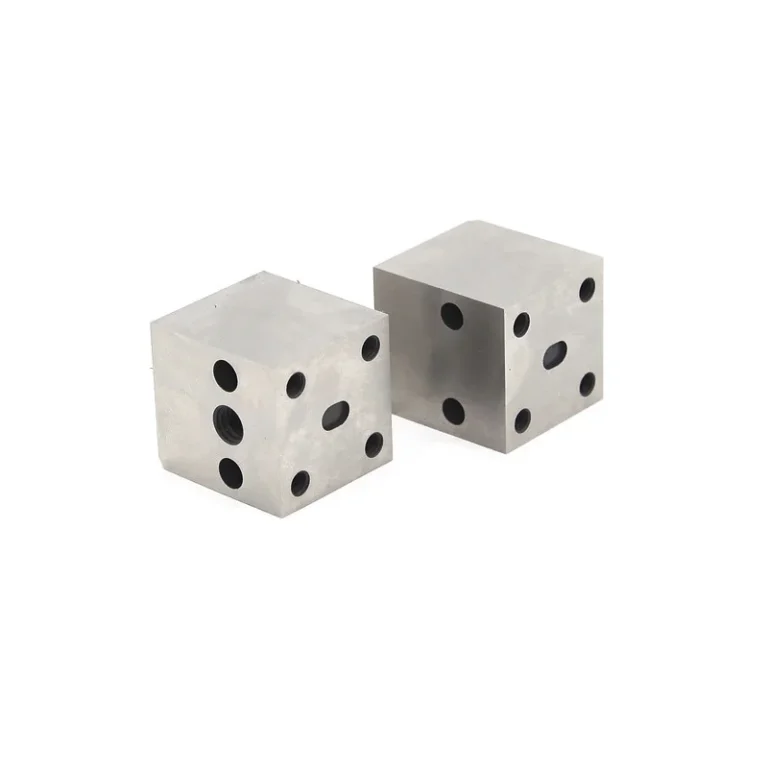
When a business searches for cnc machining near me, it is usually looking for more than a machine shop. The real goal is to find a reliable manufacturing partner that can produce accurate parts, meet specifications, communicate clearly, and deliver within practical timelines.
CNC machining can support everything from one-off prototypes to larger production runs. However, not every supplier offers the same equipment, materials, quality controls, or engineering support. Newtop Industry Group helps businesses evaluate manufacturing requirements and develop practical solutions for precision components.
What Does CNC Machining Involve?
CNC stands for Computer Numerical Control. CNC machines use programmed instructions to control cutting tools and produce components from materials such as aluminum, steel, brass, copper, and engineering plastics.
The process may involve:
- CNC milling
- CNC turning
- Drilling
- Threading
- Boring
- Slotting
- Surface machining
- Finishing and inspection
The exact process depends on the component’s design, material, tolerance, quantity, and intended application.
Unlike basic manual machining, CNC equipment can repeat programmed movements with a high level of consistency. This makes it suitable for components that need controlled dimensions and repeatable results.
Why Search for a Local CNC Machining Service?
The phrase cnc machining near me often reflects a practical business need: finding a manufacturer that is easier to communicate with and manage.
Working with a nearby supplier can offer several potential advantages.
Easier Communication
Clear communication is important when manufacturing technical components. Drawings, dimensions, tolerances, materials, and finishing requirements must be understood correctly.
A local supplier may make discussions, technical reviews, and project updates more convenient.
Faster Project Coordination
Depending on the supplier and location, shorter distances may simplify shipping and collection. This can be useful when a project has tight production schedules.
However, location should not be the only consideration. Manufacturing capability and quality remain important factors.
Better Understanding of Requirements
Every manufacturing project has its own requirements. A supplier that takes time to understand the application can help identify practical production methods.
For example, a component designed for high loads may need a different material and machining approach from a lightweight enclosure.
What to Look for When Choosing a CNC Machining Company
Searching for cnc machining near me can produce many options. Comparing them carefully can help you avoid costly mistakes.
Consider the following factors before choosing a supplier.
Machine Capabilities
Start by checking what types of machines the manufacturer operates.
Important capabilities may include:
- 3-axis milling
- 4-axis or 5-axis machining
- CNC turning
- Multi-operation machining
- Automated production
- Specialized tooling
The right equipment depends on the complexity of your component.
A simple flat bracket may require basic milling, while a complex component with multiple angles may benefit from advanced multi-axis machining.
Material Experience
Different materials behave differently during machining.
Aluminum may be relatively easy to machine, while harder alloys can require different cutting tools, speeds, feeds, and cooling methods.
Ask whether the supplier has experience working with your required material.
Common CNC materials include:
- Aluminum
- Stainless steel
- Mild steel
- Brass
- Copper
- Titanium
- Engineering plastics
Material expertise can affect surface finish, tool life, dimensional accuracy, and production time.
The Importance of Tolerances
Tolerance refers to the permitted variation in a component’s dimensions.
For example, a drawing may specify a dimension that allows only a small range of variation. If the finished component falls outside that range, it may not fit correctly into the final assembly.
When evaluating cnc machining near me options, ask how the manufacturer manages dimensional control and inspection.
Not every feature needs extremely tight tolerances. In fact, unnecessary tight tolerances can increase production costs.
A good manufacturer should understand which dimensions are functionally critical and which can use more practical tolerances.
Quality Control and Inspection
Quality control should be considered before production begins.
A professional CNC machining provider may use measurement equipment such as:
- Micrometers
- Vernier calipers
- Height gauges
- Gauges
- Optical inspection equipment
- Coordinate measuring machines
The inspection method should match the component’s requirements.
For example, a simple bracket may need basic dimensional checks, while a complex precision component may require more detailed inspection.
Newtop Industry Group understands that accurate machining involves more than cutting material. Inspection and process control are important parts of delivering reliable components.
CAD Files and Technical Drawings
A clear design helps the manufacturer understand what needs to be produced.
Customers may provide:
- 2D engineering drawings
- 3D CAD files
- Material specifications
- Surface finish requirements
- Quantity requirements
- Tolerance information
- Special manufacturing instructions
Before production begins, the manufacturer may review these details to identify potential machining challenges.
This review can reveal issues such as difficult tool access, unnecessarily tight tolerances, or features that require additional setups.
Prototypes and Small-Batch Production
CNC machining is not limited to large production orders.
Businesses often use CNC machining to create prototypes before moving into full-scale production.
A prototype can help verify:
- Physical dimensions
- Assembly fit
- Function
- Material choice
- Design assumptions
- Manufacturing practicality
Once the prototype has been evaluated, design changes can be made before larger quantities are produced.
This can reduce the risk of manufacturing a large batch of parts that later require redesign.
CNC Machining for Production Runs
For larger quantities, process consistency becomes even more important.
A well-planned CNC production process can help maintain repeatable dimensions across a batch.
Before production starts, manufacturers may establish:
- Machine setup
- Tool selection
- Workholding method
- CNC program
- Inspection procedure
- Production sequence
Once these elements are established, the process can be repeated more efficiently.
Therefore, when comparing cnc machining near me suppliers, ask how they manage repeat production and maintain quality from the first part to the final component.
How Design Affects Machining Costs
A component’s design can have a major impact on manufacturing cost.
Some features require additional tools, machine setups, or longer cutting times.
For example, a deep internal pocket may require specialized tooling. A part with many small holes may take longer to produce than a simpler design.
Design for manufacturability can help reduce unnecessary complexity.
Useful considerations include:
- Avoiding unnecessary tight tolerances
- Using practical corner radii
- Reducing unnecessary setups
- Selecting accessible machining surfaces
- Using suitable standard materials
- Combining compatible features
These decisions can improve efficiency without compromising the component’s function.
Lead Times and Production Planning
A supplier’s quoted lead time should be considered alongside quality and capability.
Lead time can depend on:
- Material availability
- Component complexity
- Quantity
- Machine availability
- Tooling requirements
- Inspection requirements
- Finishing processes
A clear project schedule helps both the customer and manufacturer plan resources.
When contacting a supplier, provide as much information as possible at the quotation stage. This can help create a more realistic production estimate.
Questions to Ask a CNC Machining Supplier
If you are comparing companies after searching for cnc machining near me, ask practical questions before placing an order.
For example:
- What CNC machines do you operate?
- Which materials do you regularly machine?
- Can you work from my CAD files and drawings?
- What inspection equipment is available?
- Can you support prototypes?
- What production volumes can you handle?
- What surface finishing options are available?
- How do you manage quality control?
- What information do you need for a quotation?
Clear answers can help you understand whether the supplier is suitable for your project.
Why Engineering Support Matters
CNC machining is not simply about putting a drawing into a machine.
Engineering decisions can influence the final component significantly.
A knowledgeable manufacturing team can review the design and identify opportunities to improve manufacturability, simplify machining, or avoid unnecessary production problems.
For example, changing a difficult feature to a more accessible geometry may reduce the number of machining operations.
This type of collaboration can be particularly useful for new product development and custom components.
Industries That Use CNC Machining
CNC machining serves many industries because of its flexibility.
Common applications include:
Automotive
Manufacturers may require shafts, brackets, housings, fixtures, and other engineered components.
Aerospace
Specialized components can require careful control of dimensions, materials, and production processes.
Industrial Equipment
Machined components are widely used in machinery, automation systems, pumps, equipment, and production lines.
Electronics
CNC machining can produce housings, mounts, brackets, and other mechanical components used in electronic systems.
Medical and Laboratory Equipment
Precision-machined parts can support equipment that requires controlled dimensions and reliable assembly.
Making a Better Choice
A local search is a useful starting point, but proximity should not be the only factor.
When evaluating cnc machining near me, consider the complete picture:
- Manufacturing capabilities
- Engineering experience
- Quality control
- Material knowledge
- Production capacity
- Communication
- Lead times
- Pricing
- Inspection capabilities
The cheapest quotation may not always represent the lowest overall project cost. A part that requires rework, replacement, or delayed delivery can create additional expenses.
Instead, look for a supplier that understands the complete manufacturing requirement.
Conclusion
Finding cnc machining near me can be the first step toward sourcing accurate and dependable components. However, choosing the right manufacturing partner requires more than finding the closest supplier.
Look at machine capabilities, material experience, tolerances, inspection methods, engineering support, production capacity, and communication. These factors can have a direct impact on the quality and success of your project.
Newtop Industry Group provides engineering-focused manufacturing support for businesses that need dependable CNC components and practical production solutions. If you have a drawing, CAD model, prototype requirement, or production project, consider contacting Newtop Industry Group to discuss your requirements and explore the next step.