
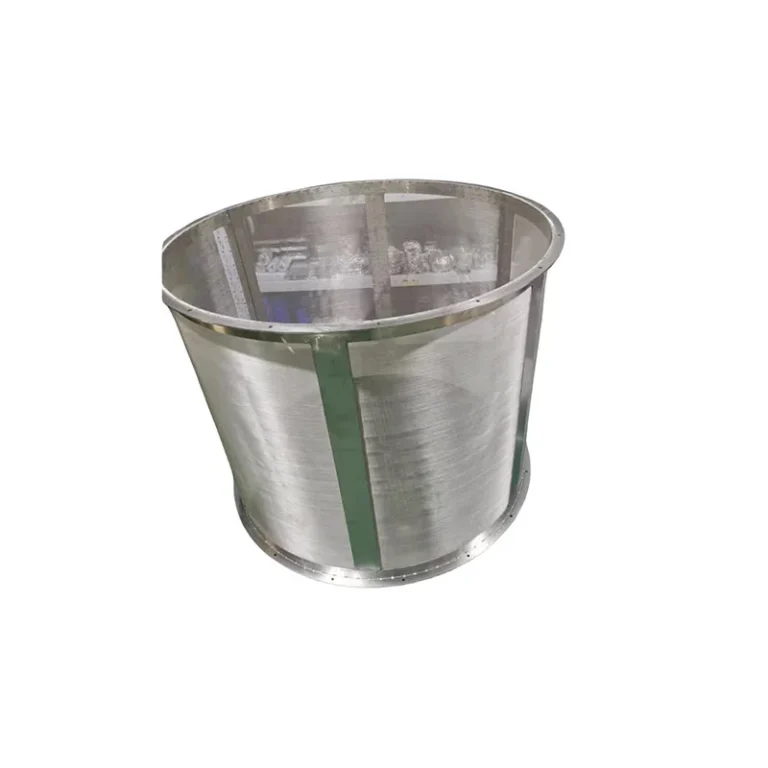
Every manufacturing project has different requirements. Standard metal parts may work for simple applications, but many industrial products need specific dimensions, shapes, materials, and finishes. This is where custom metal fabrication becomes valuable.
Custom fabrication turns raw metal into components designed for a particular application. The process can include cutting, bending, forming, welding, machining, drilling, and finishing. As a result, manufacturers can produce parts that match exact project requirements rather than adapting a product to an unsuitable standard component.
For businesses that need dependable manufacturing support, choosing an experienced partner is important. Newtop Industry Group focuses on engineering and manufacturing solutions that help customers move from technical requirements to finished metal components.
What Is Custom Metal Fabrication?
Custom metal fabrication is the process of making metal products or components according to a specific design. Instead of using an off-the-shelf part, the manufacturer works from drawings, measurements, CAD files, samples, or other technical specifications.
The process may involve several stages:
- Design review and engineering
- Material selection
- Metal cutting
- Bending and forming
- Drilling and machining
- Welding and assembly
- Surface treatment
- Dimensional inspection
- Packaging and delivery
The exact workflow depends on the part and its intended use. A simple bracket may require only cutting and bending, while a complex industrial assembly can involve several fabrication and machining operations.
How the Fabrication Process Works
1. Design and Requirement Review
The first step is understanding what the component must do. Engineers review dimensions, tolerances, material requirements, surface finishes, and other specifications.
A detailed review can also identify potential manufacturing issues before production begins. For example, a sharp internal corner may be difficult to form, or a particular material thickness may not suit the planned bending operation.
Early design review helps reduce unnecessary changes later.
2. Material Selection
Different applications require different metals. Common choices include:
- Stainless steel
- Carbon steel
- Aluminum
- Brass
- Copper
- Alloy steel
Material selection depends on factors such as strength, corrosion resistance, weight, appearance, temperature, and cost.
For example, stainless steel can be useful where corrosion resistance is important. Aluminum may be selected when low weight is a priority. Carbon steel can provide a practical solution for many structural and industrial applications.
3. Cutting and Preparation
Once the material is selected, it must be prepared to the required dimensions. Depending on the project, manufacturers may use laser cutting, plasma cutting, sawing, or other cutting methods.
Modern equipment allows manufacturers to create clean and repeatable cuts. Accurate preparation is important because every later operation depends on the initial dimensions being correct.
4. Bending and Forming
Flat metal sheets can be transformed into useful shapes through controlled bending and forming. Press brakes and other forming equipment can create angles, channels, brackets, enclosures, and other profiles.
The bend radius, material thickness, and required angle all affect the final result. Careful setup helps prevent distortion and dimensional errors.
5. Welding and Assembly
Some projects require multiple metal pieces to be joined together. Welding can create strong connections between components and is widely used in industrial fabrication.
Depending on the application, different welding techniques may be selected. Proper preparation, welding parameters, and inspection help support consistent results.
6. Machining and Detail Work
Fabricated parts may also need drilled holes, threads, slots, grooves, or precise surfaces. These details can require machining after the main fabrication process.
Combining fabrication with machining can reduce the need to manage multiple suppliers. It can also simplify production coordination when several operations are required for one finished component.
Key Benefits of Custom Metal Fabrication
Better Fit and Function
A custom component can be designed around the actual requirements of a machine, product, or structure. This helps avoid compromises caused by standard parts.
For instance, an equipment manufacturer may need a mounting bracket with unusual hole spacing. A custom-fabricated bracket can follow the exact design rather than forcing the assembly to use a different layout.
Greater Design Flexibility
Custom production gives engineers more freedom. They can select dimensions, shapes, materials, and finishes based on the application.
This flexibility can be especially useful during new product development, equipment upgrades, and specialized industrial projects.
Consistent Production
When a part is produced from controlled drawings and manufacturing specifications, the same requirements can be applied across production batches.
This consistency is important for companies that need replacement parts or repeated production over time.
Efficient Use of Materials
Good fabrication planning can reduce unnecessary material waste. Cutting layouts, part dimensions, and production methods can be reviewed before manufacturing starts.
Better material utilization can support cost control while also making production more efficient.
Industries That Use Custom Fabrication
Custom metal components are used across many industries because metal offers strength, durability, and design flexibility.
Common applications include:
- Industrial machinery
- Automotive equipment
- Construction
- Electronics
- Manufacturing systems
- Energy equipment
- Commercial products
- Agricultural machinery
- Material handling systems
For example, a machinery manufacturer may require frames, guards, brackets, housings, or support structures. A construction company may need structural metal components with specific dimensions. Each application has its own technical requirements.
Why Accuracy Matters
Accuracy is one of the most important factors in metal manufacturing. Even a small dimensional error can affect assembly, alignment, or product performance.
Quality control may include:
- Dimensional measurements
- Visual inspection
- Material verification
- Weld inspection
- Surface inspection
- Tolerance checks
- Final component testing when required
The inspection method should match the complexity and requirements of the component.
For precision applications, manufacturing teams may also use digital measuring equipment and inspection tools to verify critical dimensions.
Choosing the Right Fabrication Partner
Selecting a supplier involves more than comparing prices. A reliable manufacturing partner should understand both the technical and commercial needs of the project.
Consider these factors:
Engineering capability: Can the supplier understand drawings and technical specifications?
Production capacity: Can the supplier handle prototype quantities as well as larger production runs?
Quality systems: Are inspection and quality-control processes clearly defined?
Material options: Can the supplier work with the material required for the application?
Communication: Does the team provide clear updates during design and production?
Finishing options: Can the finished part receive the required surface treatment?
Delivery planning: Can production and shipping schedules support your project timeline?
These questions can help businesses choose a supplier based on the complete manufacturing process rather than a single factor.
Custom Fabrication vs. Standard Metal Parts
Standard metal parts are useful when their dimensions and specifications already match the application. They can be convenient for common products and straightforward projects.
However, custom fabrication can provide more flexibility when standard components do not meet the required specifications.
| Requirement | Standard Parts | Custom Fabrication |
| Fixed dimensions | Suitable | Can be modified |
| Unique shapes | Limited | Highly adaptable |
| Special materials | May be limited | More options |
| Project-specific design | Limited | Designed for the application |
| Large production changes | Depends on availability | Can be planned around requirements |
The right option depends on the project’s design, quantity, budget, and performance requirements.
Improving the Fabrication Process
A successful project usually starts before the first piece of metal is cut. Clear communication between the customer and manufacturer can prevent many production problems.
To improve results:
- Provide accurate drawings or CAD files.
- Clearly identify critical dimensions and tolerances.
- Specify the required material grade.
- Explain the intended application.
- Identify important surface-finish requirements.
- Confirm production quantities.
- Discuss inspection requirements early.
- Review samples before full production when appropriate.
This approach helps the manufacturing team understand what matters most.
The Role of Technology
Technology continues to improve metal manufacturing. Computer-aided design, CNC equipment, automated cutting systems, digital inspection tools, and production software can improve repeatability and workflow control.
However, technology alone does not guarantee a good result. Skilled engineers and production teams still need to understand material behavior, machine capabilities, tolerances, and practical manufacturing limits.
The best results often come from combining modern equipment with careful engineering and quality control.
How Newtop Industry Group Supports Metal Manufacturing
Newtop Industry Group provides engineering and manufacturing solutions for businesses that require accurately produced metal components. A strong manufacturing process starts with understanding the customer’s technical needs and selecting an appropriate production method.
For projects involving custom metal fabrication, factors such as material, dimensions, tolerances, production volume, finishing, and inspection should all be considered together.
This structured approach can help businesses develop parts that are practical to manufacture and suitable for their intended application.
Final Thoughts
Custom metal fabrication gives manufacturers the flexibility to create components around real-world requirements. From material selection and cutting to forming, welding, machining, finishing, and inspection, every stage can influence the quality of the final product.
For businesses developing machinery, equipment, structural components, or specialized products, the right fabrication process can make production more efficient and dependable. Clear specifications, careful engineering, suitable materials, and strong quality control are essential throughout the project. Newtop Industry Group can be a useful manufacturing partner for businesses exploring custom metal solutions and production requirements. If you are planning a new component or need support with an existing metal part, consider discussing your drawings, specifications, and production goals with Newtop Industry Group to identify a suitable manufacturing approach.