
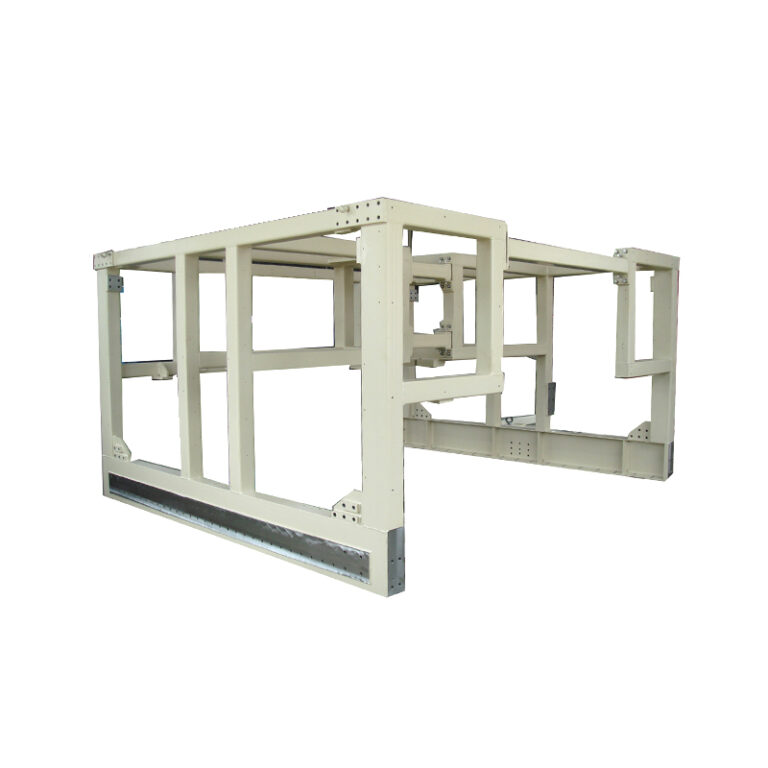
Manufacturing industries depend on durable, reliable, and precisely engineered metal components. From heavy machinery and transportation equipment to construction systems and industrial automation, steel remains one of the most widely used materials in modern production.
Choosing the right steel fabrication company is one of the most important decisions for businesses that require high-quality metal products. A skilled fabrication partner not only produces components according to specifications but also helps improve efficiency, reduce waste, and maintain product consistency.
Newtop Industry Group understands that every industry has unique manufacturing requirements. Therefore, the company focuses on precision, quality assurance, and customized fabrication solutions that support businesses across multiple sectors.
In today’s competitive market, manufacturers need more than basic fabrication services. They need a trusted partner that can manage complex production requirements while maintaining quality and meeting deadlines.
What Is Steel Fabrication?
Steel fabrication is the process of transforming raw steel into finished components, structures, or products through different manufacturing techniques.
The process usually includes:
- Cutting
- Bending
- Welding
- Machining
- Assembly
- Surface finishing
- Inspection
Unlike standard manufacturing, fabrication involves creating customized products according to specific engineering drawings and production requirements.
A professional steel fabrication company combines advanced equipment, skilled technicians, and strict quality standards to produce components that meet industry expectations.
Why Steel Continues to Dominate Modern Manufacturing
Steel offers several advantages that make it one of the most valuable engineering materials.
Exceptional Strength
Steel provides excellent structural integrity and can withstand heavy loads and extreme operating conditions.
Long-Term Durability
Compared with many other materials, steel performs exceptionally well in demanding environments.
Design Flexibility
Steel can be processed into different shapes, sizes, and configurations without compromising performance.
Cost Efficiency
Although manufacturing costs vary, steel often delivers a better long-term return on investment because of its durability and reduced maintenance requirements.
Recyclability
Modern manufacturers increasingly focus on sustainability. Fortunately, steel is one of the most recyclable materials in the world.
Because of these benefits, industries continue to rely on fabrication experts to create customized steel products for commercial and industrial applications.
Services Offered by a Modern Steel Fabrication Partner
Not all fabrication companies provide the same capabilities. Therefore, businesses should carefully evaluate available services before selecting a manufacturing partner.
Custom Steel Design
Every project begins with planning and engineering.
Design specialists typically:
- Review technical drawings
- Analyze material requirements
- Recommend manufacturing methods
- Identify production challenges
Early collaboration often reduces production errors and improves manufacturing efficiency.
Precision Cutting
Cutting technologies have evolved significantly.
Common methods include:
Laser Cutting
Laser systems provide excellent accuracy and clean edges.
Plasma Cutting
Plasma technology is suitable for thicker materials and heavy industrial applications.
Waterjet Cutting
Waterjet systems minimize heat-related distortion during processing.
Forming and Bending
Steel components often require specific shapes to meet design requirements.
Modern bending equipment allows manufacturers to create:
- Channels
- Brackets
- Enclosures
- Structural supports
Accurate forming ensures consistent dimensions throughout production.
Welding and Assembly
Welding remains one of the most important fabrication processes.
Common welding methods include:
- TIG welding
- MIG welding
- Arc welding
Proper welding techniques increase strength, improve durability, and ensure product reliability.
Surface Treatment and Finishing
Finishing processes improve both appearance and performance.
Examples include:
- Powder coating
- Polishing
- Sandblasting
- Protective coating
Surface treatments also enhance corrosion resistance.
How to Choose the Right Steel Fabrication Company
Selecting a manufacturing partner requires careful evaluation.
Several factors should influence the decision.
Manufacturing Experience
Experience matters because fabrication projects often involve technical challenges.
Manufacturers with extensive industry knowledge can:
- Improve production efficiency
- Identify potential risks
- Recommend practical solutions
Advanced Technology
Equipment directly affects product quality.
Modern fabrication facilities often use:
- CNC machines
- Automated cutting systems
- Robotic welding equipment
- Digital inspection tools
Advanced technology improves precision and reduces production errors.
Quality Control Systems
A reliable manufacturer should maintain strict inspection procedures.
Quality assurance usually includes:
- Material verification
- Dimensional inspection
- Process monitoring
- Final product testing
These procedures help ensure consistency throughout production.
Production Capacity
Businesses should evaluate whether a fabrication partner can support both current and future production requirements.
Scalability becomes especially important for companies planning long-term growth.
Communication and Customer Support
Strong communication improves project management.
Manufacturers should provide:
- Clear timelines
- Production updates
- Technical assistance
- Responsive customer service
Effective collaboration reduces misunderstandings and keeps projects on schedule.
Industries That Depend on Steel Fabrication
Steel fabrication supports a wide range of industries.
Construction
Construction projects require fabricated components such as:
- Structural beams
- Support columns
- Reinforcement systems
Transportation
Transportation manufacturers use fabricated steel in:
- Commercial vehicles
- Railway systems
- Shipping equipment
Industrial Equipment
Industrial machinery depends on durable steel components that can withstand demanding operating conditions.
Energy
The energy sector requires fabricated steel for:
- Power generation systems
- Renewable energy equipment
- Distribution infrastructure
Automation
Modern automated systems use fabricated steel for equipment frames, conveyor systems, and mechanical assemblies.
Newtop Industry Group serves industries that require high-performance metal solutions by combining engineering expertise with modern manufacturing processes.
The Role of Precision in Steel Fabrication
Precision has become increasingly important in manufacturing.
Even minor dimensional errors can affect:
- Product performance
- Equipment compatibility
- Assembly efficiency
- Production costs
A professional steel fabrication company uses advanced manufacturing systems to achieve tight tolerances and consistent results.
Precision also improves repeatability, which is essential for large-scale production.
As industries continue to adopt automation and digital manufacturing, precision standards will become even more demanding.
Common Challenges in Steel Fabrication and How Manufacturers Overcome Them
Every fabrication project presents unique challenges.
Material Distortion
Heat generated during welding can cause material distortion.
Manufacturers reduce this risk by using controlled welding techniques.
Complex Geometries
Complicated designs often require multiple fabrication processes.
Advanced software helps engineers optimize manufacturing procedures.
Tight Deadlines
Production schedules can create significant pressure.
Efficient workflow management helps manufacturers maintain delivery timelines without sacrificing quality.
Cost Control
Material waste increases production expenses.
Modern fabrication facilities use automated technologies to improve material utilization and reduce unnecessary waste.
Why Businesses Choose Newtop Industry Group
Manufacturing success depends on quality, consistency, and reliability.
Newtop Industry Group focuses on delivering customized fabrication solutions designed to meet specific customer requirements.
Key advantages include:
- Precision manufacturing
- Advanced fabrication technology
- Comprehensive quality control
- Experienced engineering support
- Customized production solutions
Additionally, the company continuously improves manufacturing processes to support changing industry demands.
This commitment allows customers to receive products that meet performance expectations while maintaining production efficiency.
Future Trends in Steel Fabrication
The fabrication industry continues to evolve.
Several trends are shaping the future.
Increased Automation
Automation reduces human error and improves manufacturing consistency.
Smart Manufacturing
Digital technologies provide real-time production monitoring and data analysis.
Sustainable Production
Manufacturers increasingly adopt environmentally responsible practices.
Greater Customization
Customers expect solutions tailored to their exact specifications.
Companies that embrace these trends will remain competitive in an increasingly demanding market.
Conclusion
Finding the right manufacturing partner requires more than comparing prices. Businesses should evaluate experience, technology, quality standards, and production capabilities before making a decision.
A dependable steel fabrication company can improve product quality, increase operational efficiency, and support long-term growth.Newtop Industry Group understands the importance of precision, innovation, and customer-focused manufacturing. By combining advanced fabrication techniques with comprehensive quality control, the company continues to deliver reliable steel solutions for diverse industrial applications.