
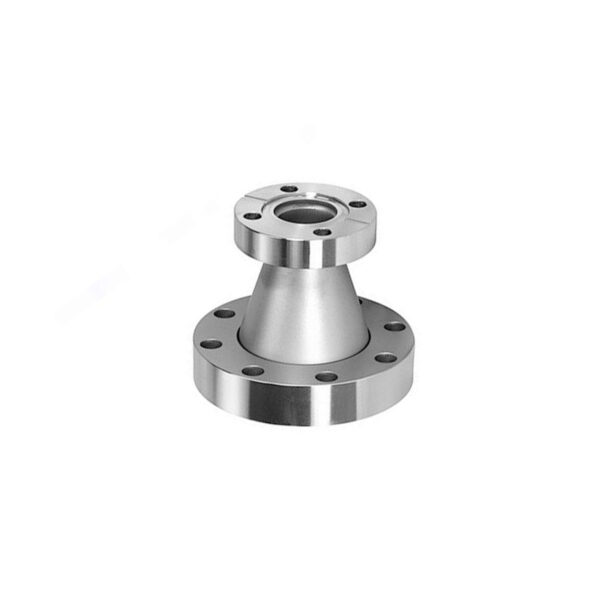
Manufacturing has changed dramatically over the last decade. Today, businesses demand faster production, tighter tolerances, and consistently high-quality components. That is why precision cnc machining has become one of the most trusted manufacturing methods across industries. Whether producing aerospace parts, medical devices, automotive components, or industrial equipment, manufacturers depend on advanced machining technology to achieve outstanding results.
Newtop Industry Group understands these growing industry demands. By combining modern CNC technology, experienced engineers, and strict quality control, the company delivers reliable machining solutions that meet international standards. From prototypes to large production runs, precision and consistency remain the priority.
This guide explains how precision cnc machining works, its advantages, common applications, material options, and why selecting the right manufacturing partner makes a significant difference.
What Is Precision CNC Machining?
Precision cnc machining is a manufacturing process that uses computer-controlled machines to remove material from a workpiece with exceptional accuracy. CNC stands for Computer Numerical Control, meaning every movement of the cutting tool follows programmed instructions.
Unlike manual machining, CNC systems minimize human error while maintaining consistent dimensions throughout production. As a result, manufacturers can create complex components with tight tolerances and repeatable quality.
Modern CNC machines include:
- CNC milling machines
- CNC turning centers
- Multi-axis machining centers
- CNC drilling machines
- Precision grinding equipment
Each machine performs specific operations while ensuring excellent dimensional accuracy.
How CNC Machining Works
The process follows several important steps:
Design Creation
Engineers first create a detailed CAD (Computer-Aided Design) model of the part.
Programming
The CAD file is converted into CAM software that generates machining instructions.
Machine Setup
Operators install cutting tools, fixtures, and raw materials before calibration.
Machining Process
The CNC machine automatically cuts, drills, mills, or turns the material according to the programmed design.
Inspection
Every finished component undergoes quality inspection to verify dimensions and surface finish.
Because each stage is carefully controlled, manufacturers achieve exceptional precision throughout production.
Benefits of Precision CNC Machining
Manufacturers choose CNC machining because it offers several advantages over conventional manufacturing methods.
Outstanding Accuracy
Modern CNC machines can achieve extremely tight tolerances, making them ideal for industries where even tiny measurement errors are unacceptable.
Consistent Quality
Computer-controlled production ensures every component matches the original design, even during high-volume manufacturing.
Faster Production
Automation reduces production time while increasing efficiency, allowing companies to meet demanding delivery schedules.
Reduced Material Waste
Optimized machining paths maximize material usage and reduce unnecessary waste, helping lower manufacturing costs.
Complex Part Manufacturing
Modern multi-axis machines produce intricate geometries that are difficult or impossible with traditional machining methods.
Better Surface Finish
Advanced cutting technology delivers smooth surfaces, reducing the need for secondary finishing operations.
Industries That Depend on Precision CNC Machining
Many industries require components with strict dimensional accuracy and dependable performance.
Aerospace
Aircraft components require lightweight materials, tight tolerances, and complete reliability under demanding operating conditions.
Common aerospace parts include:
- Structural brackets
- Engine components
- Housings
- Mounting fixtures
Automotive
Automotive manufacturers rely on CNC machining for both prototype development and production components.
Examples include:
- Transmission parts
- Brake components
- Engine housings
- Steering systems
Medical Equipment
Medical devices demand exceptional precision because patient safety depends on component accuracy.
Applications include:
- Surgical instruments
- Medical implants
- Diagnostic equipment
- Laboratory devices
Electronics
Small electronic components require fine machining to maintain proper functionality.
Examples include:
- Heat sinks
- Connectors
- Enclosures
- Sensor housings
Industrial Equipment
Heavy machinery manufacturers use CNC machining for durable mechanical parts capable of handling continuous operation.
Materials Used in Precision CNC Machining
Different projects require different materials depending on strength, weight, corrosion resistance, and application.
Aluminum
Aluminum offers:
- Excellent machinability
- Lightweight performance
- Corrosion resistance
- High thermal conductivity
Stainless Steel
This material provides:
- High strength
- Rust resistance
- Long service life
- Attractive appearance
Carbon Steel
Carbon steel delivers excellent durability while remaining cost-effective for many industrial applications.
Brass
Brass machines easily and offers excellent electrical conductivity and corrosion resistance.
Copper
Copper is widely used for electrical and thermal applications because of its outstanding conductivity.
Engineering Plastics
Common plastics include:
- PEEK
- Nylon
- Delrin
- PTFE
- ABS
These materials provide lightweight performance and chemical resistance.
Why Precision Matters in Manufacturing
Small dimensional variations can create major problems during assembly or product operation.
High machining accuracy helps manufacturers achieve:
- Better product performance
- Easier assembly
- Reduced maintenance
- Longer product lifespan
- Improved customer satisfaction
For industries with strict quality standards, precision is not simply an advantage—it is essential.
The Role of Quality Control
Successful manufacturing depends on thorough inspection throughout production.
Newtop Industry Group follows strict quality procedures that include:
- First article inspection
- In-process monitoring
- Final dimensional inspection
- Surface finish evaluation
- Material verification
Advanced measuring equipment ensures every component meets customer specifications before shipment.
Choosing the Right CNC Manufacturing Partner
Selecting an experienced supplier directly affects product quality, delivery performance, and long-term business success.
Consider these factors before choosing a manufacturer.
Technical Experience
Look for companies with proven expertise across multiple industries and materials.
Modern Equipment
Advanced CNC machines improve efficiency, precision, and production flexibility.
Engineering Support
Experienced engineers help optimize designs for better manufacturability and reduced production costs.
Quality Certifications
Reliable manufacturers follow internationally recognized quality management systems.
Production Capacity
The supplier should support both prototype development and large-scale manufacturing.
Reliable Communication
Clear communication ensures smoother project management from quotation to final delivery.
Why Businesses Choose Newtop Industry Group
Newtop Industry Group provides complete manufacturing solutions tailored to customer requirements.
Key advantages include:
- Advanced CNC machining technology
- Skilled engineering professionals
- Strict quality management
- Competitive manufacturing solutions
- Flexible production capacity
- Fast project turnaround
- Custom manufacturing support
- International export experience
The company focuses on building long-term partnerships by delivering dependable quality and responsive customer service.
Tips for Designing Better CNC Machined Parts
A well-designed component improves manufacturing efficiency and lowers production costs.
Keep these recommendations in mind:
Avoid Extremely Thin Walls
Thin sections may vibrate during machining and reduce accuracy.
Use Standard Hole Sizes
Standard tooling reduces machining time and overall cost.
Simplify Internal Corners
Rounded internal corners are easier to machine than perfectly sharp angles.
Select Suitable Materials
Material selection should match the part’s intended performance and operating environment.
Discuss Designs Early
Collaborating with experienced engineers during the design stage often prevents manufacturing challenges later.
Future Trends in Precision CNC Machining
Manufacturing continues to evolve with advanced digital technologies.
Emerging trends include:
- Artificial intelligence for process optimization
- Smart factory automation
- Digital quality monitoring
- Multi-axis machining improvements
- Sustainable manufacturing practices
- Predictive maintenance systems
- Advanced cutting tool technology
These innovations help manufacturers increase productivity while maintaining exceptional quality.
Frequently Asked Questions
What industries benefit most from CNC machining?
Aerospace, automotive, electronics, medical, energy, industrial machinery, and defense industries all rely heavily on CNC machining.
Can CNC machining produce prototypes?
Yes. CNC machining is an excellent solution for functional prototypes before moving into full production.
What tolerance levels are possible?
Modern CNC equipment can achieve extremely tight tolerances depending on material, machine capability, and component design.
Is CNC machining suitable for mass production?
Yes. It supports both low-volume custom manufacturing and high-volume production while maintaining consistent quality.
How important is material selection?
Material selection directly affects strength, durability, weight, corrosion resistance, and machining efficiency, making it a critical part of every project.
Conclusion
Modern manufacturing demands consistency, speed, and exceptional accuracy. Precision cnc machining delivers all three while supporting industries that require dependable, high-quality components. From complex aerospace parts to precision medical devices and industrial equipment, CNC technology continues to drive manufacturing innovation. Newtop Industry Group combines advanced equipment, engineering expertise, and rigorous quality control to provide manufacturing solutions that meet the needs of global customers. Whether your project requires prototype development or full-scale production, the company is committed to delivering reliable results with precision and efficiency. If you are looking for a trusted manufacturing partner, Newtop Industry Group is ready to support your next project with professional CNC machining services.