
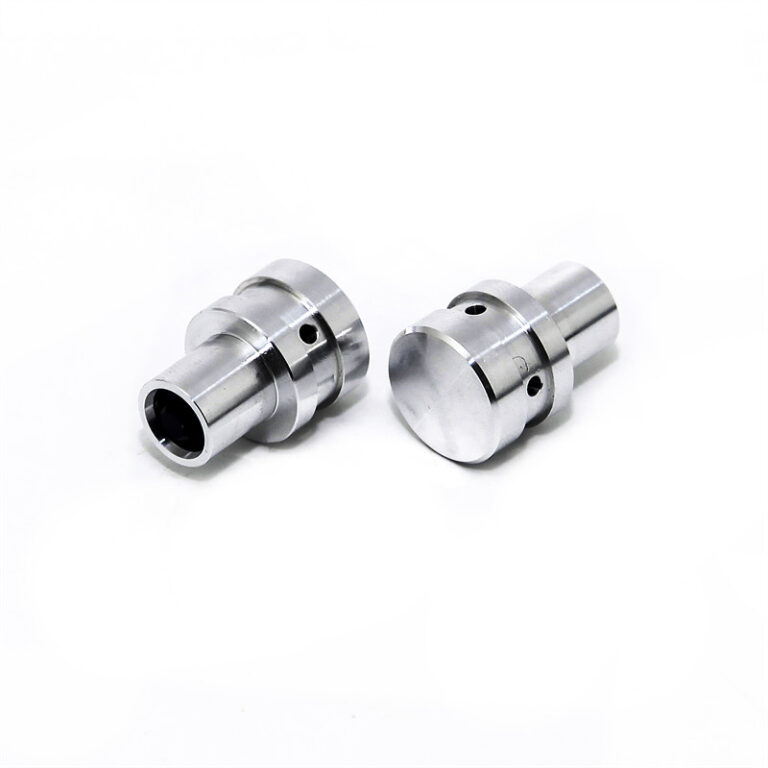
Selecting the right cnc machining manufacturer is one of the most important decisions for businesses that depend on precision-engineered components. Whether you work in the automotive, aerospace, electronics, medical, or industrial sector, the quality of your machining partner directly affects product performance, production efficiency, and customer satisfaction.
Modern manufacturing demands consistent accuracy, faster turnaround times, and dependable quality control. That is why many companies choose experienced partners with advanced machining capabilities and proven engineering expertise. Newtop Industry Group has earned the trust of global customers by delivering precision CNC machining solutions that meet strict quality standards while supporting projects of every size.
This guide explains what makes a reliable CNC machining partner, the benefits of CNC technology, key selection factors, and industry trends shaping manufacturing in 2026.
Why CNC Machining Matters
Computer Numerical Control (CNC) machining has transformed modern manufacturing by replacing manual operations with computer-controlled precision. This process creates highly accurate components with minimal variation.
Some major advantages include:
- Exceptional dimensional accuracy
- Consistent production quality
- Reduced material waste
- Faster manufacturing cycles
- Excellent repeatability
- Ability to manufacture complex geometries
Because of these benefits, industries around the world rely on CNC machining for mission-critical applications.
What Does a cnc machining manufacturer Do?
A professional cnc machining manufacturer transforms engineering drawings into finished precision components using advanced CNC equipment. The process combines technology, engineering knowledge, and strict quality control.
Typical services include:
- CNC Milling
- CNC Turning
- Multi-axis Machining
- Precision Drilling
- Surface Finishing
- Assembly Support
- Custom Component Manufacturing
- Prototype Development
- Low-Volume Production
- High-Volume Manufacturing
An experienced manufacturer also assists with design optimization to improve manufacturability while reducing production costs.
Why Choose Newtop Industry Group?
Newtop Industry Group focuses on delivering precision manufacturing solutions that meet international quality expectations. The company combines modern production technology with experienced engineering teams to provide dependable machining services across multiple industries.
Some key strengths include:
Advanced Manufacturing Equipment
Modern CNC machining centers provide high accuracy and stable production performance.
Skilled Engineering Team
Experienced engineers evaluate each project carefully before production begins. This helps reduce manufacturing risks and improve efficiency.
Strict Quality Control
Every production stage follows detailed inspection procedures to maintain consistent quality.
Flexible Production Capacity
Projects can range from prototype development to large-scale manufacturing without compromising quality.
Material Expertise
The company works with various engineering materials, including:
- Aluminum
- Stainless Steel
- Carbon Steel
- Brass
- Copper
- Titanium
- Engineering Plastics
- Special Alloys
Industries That Depend on CNC Machining
Many industries require precision components manufactured within tight tolerances.
Automotive Industry
Automotive manufacturers use CNC machining for:
- Engine components
- Transmission parts
- Brake systems
- Suspension components
- Custom performance parts
Reliable machining improves vehicle performance and durability.
Aerospace Industry
Aircraft components require extremely tight tolerances and high-quality materials.
Common aerospace parts include:
- Structural brackets
- Engine components
- Precision housings
- Flight control components
Safety standards make precision essential.
Medical Industry
Medical equipment manufacturers depend on CNC machining for:
- Surgical instruments
- Medical implants
- Diagnostic equipment
- Laboratory devices
Precision directly affects patient safety and product reliability.
Electronics Industry
Electronic products require compact precision parts such as:
- Heat sinks
- Enclosures
- Connectors
- Precision frames
Accurate machining ensures proper assembly and performance.
Industrial Equipment
Factories use CNC-machined components in:
- Automation systems
- Robotics
- Hydraulic equipment
- Pneumatic systems
- Heavy machinery
These applications require durability and consistent quality.
Factors to Consider When Choosing a cnc machining manufacturer
Finding the right manufacturing partner involves more than comparing prices.
Manufacturing Experience
Look for companies with experience handling projects similar to yours.
Experienced manufacturers usually solve production challenges more efficiently.
Quality Certifications
Reliable manufacturers follow recognized quality systems that support consistent production.
Quality management reduces defects and improves customer confidence.
Production Capability
A capable manufacturer should offer:
- Multi-axis machining
- Precision inspection
- Prototype services
- Production scalability
This flexibility supports future business growth.
Material Knowledge
Different materials require different machining techniques.
Manufacturers should understand machining characteristics for metals and engineering plastics to achieve the best results.
Inspection Equipment
Precision measuring tools help verify product accuracy.
Common inspection equipment includes:
- Coordinate Measuring Machines (CMM)
- Digital Calipers
- Height Gauges
- Surface Roughness Testers
Inspection ensures every component meets specifications.
Communication
Clear communication improves project planning.
Good manufacturers provide:
- Engineering support
- Production updates
- Technical recommendations
- Fast customer service
Strong communication reduces delays and misunderstandings.
Benefits of Working with an Experienced Manufacturing Partner
Choosing an experienced supplier creates long-term value.
Major benefits include:
Better Product Quality
Consistent machining reduces defects and improves customer satisfaction.
Faster Lead Times
Efficient production planning shortens delivery schedules.
Lower Production Costs
Process optimization minimizes waste and improves productivity.
Design Support
Engineering teams often recommend design improvements that reduce machining complexity.
Reliable Supply Chain
Dependable manufacturing partners improve production planning and inventory management.
CNC Machining Process Explained
A typical manufacturing workflow includes several important stages.
Step 1: Design Review
Engineers evaluate CAD drawings and manufacturing requirements.
Step 2: Material Selection
The correct material is chosen based on:
- Strength
- Weight
- Corrosion resistance
- Cost
- Application
Step 3: CNC Programming
Machining programs are created using CAM software to guide production accurately.
Step 4: Machining
Advanced CNC equipment manufactures components according to engineering specifications.
Step 5: Inspection
Each part undergoes dimensional verification before approval.
Step 6: Surface Finishing
Additional processes may include:
- Sandblasting
- Anodizing
- Powder Coating
- Polishing
- Electroplating
Step 7: Packaging and Delivery
Products are carefully packaged to prevent shipping damage.
Manufacturing Trends in 2026
Manufacturing continues to evolve through digital innovation.
Key trends include:
Smart Manufacturing
Connected production systems improve efficiency through real-time monitoring.
Automation
Robotics help increase consistency while reducing production time.
Sustainable Manufacturing
Companies increasingly focus on reducing waste, recycling materials, and improving energy efficiency.
Digital Quality Inspection
Advanced inspection technologies improve measurement speed and accuracy.
Multi-Axis Machining
More manufacturers invest in complex machining capabilities that reduce setup time and improve precision.
These developments help manufacturers deliver higher-quality products with greater efficiency.
Common Applications for Precision CNC Components
Precision-machined parts are used in:
- Industrial automation
- Renewable energy equipment
- Oil and gas systems
- Marine engineering
- Agricultural machinery
- Telecommunications
- Consumer products
- Defense equipment
- Scientific instruments
Each application demands reliable manufacturing and consistent dimensional accuracy.
Why Long-Term Manufacturing Partnerships Matter
Many successful companies build long-term relationships with trusted machining providers.
This approach offers several advantages:
- Better production planning
- Faster project launches
- Improved product consistency
- Reduced operational risk
- Greater engineering collaboration
Working closely with one manufacturing partner often leads to continuous process improvements over time.
Conclusion
Choosing the right cnc machining manufacturer is an investment in product quality, operational efficiency, and long-term business success. Precision machining requires advanced equipment, experienced engineers, strict quality control, and dependable customer support.Newtop Industry Group combines technical expertise, modern manufacturing capabilities, and a commitment to quality to deliver reliable CNC machining solutions for customers across diverse industries. Whether you need prototypes, custom components, or high-volume production, partnering with an experienced manufacturer can help you achieve consistent results while supporting your future growth.