
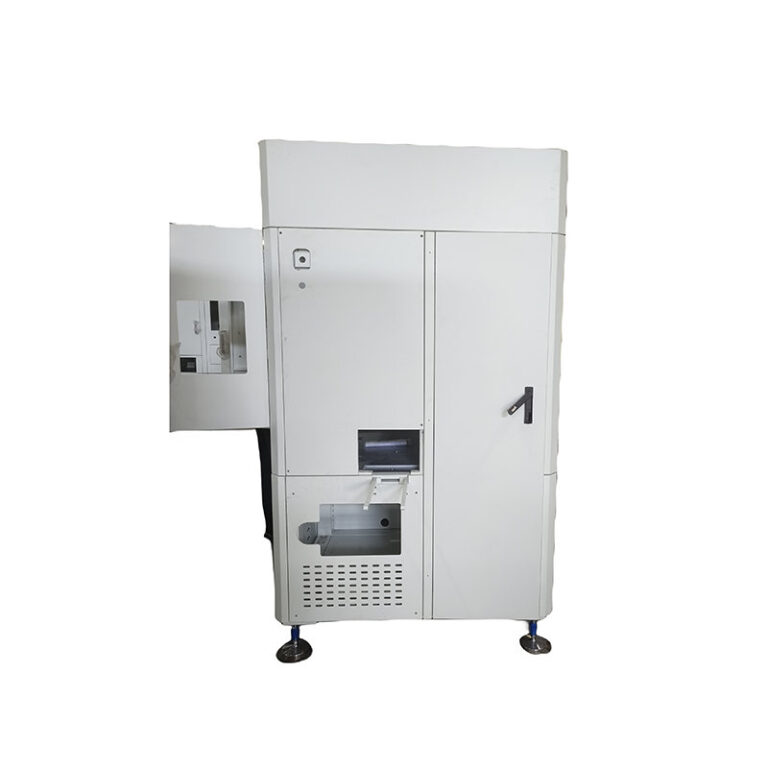
In today’s competitive manufacturing landscape, precision, speed, and cost efficiency are more important than ever. Businesses across industries rely on sheet metal processing to create durable, accurate, and high-quality components for products ranging from automotive parts to industrial equipment.
As manufacturing technologies continue to evolve, companies are looking for reliable partners that can deliver consistent results while maintaining strict quality standards. Newtop Industry Group has established itself as a trusted name in precision manufacturing by providing advanced metal fabrication solutions that meet diverse industrial requirements.
This article explores the importance of sheet metal processing, the key techniques involved, its applications across industries, and how modern manufacturing companies can benefit from innovative production methods.
Understanding sheet metal processing
What Is Sheet Metal Processing?
Sheet metal processing refers to the transformation of flat metal sheets into finished parts, components, or products through various manufacturing techniques. These processes include cutting, bending, stamping, punching, welding, and surface finishing.
The goal is to convert raw metal materials into precise components that meet specific design and functional requirements.
Common materials used include:
- Stainless steel
- Carbon steel
- Aluminum
- Copper
- Brass
- Galvanized steel
Because of its flexibility and efficiency, sheet metal fabrication remains a critical part of modern manufacturing.
Why Sheet Metal Processing Matters
Manufacturers depend on accurate metal fabrication to ensure product performance and reliability. Even small errors can affect assembly, functionality, and safety.
Effective sheet metal processing offers several advantages:
- High dimensional accuracy
- Improved production efficiency
- Reduced material waste
- Consistent product quality
- Scalability for mass production
- Cost-effective manufacturing
As a result, businesses can maintain competitiveness while delivering reliable products to customers.
Key Processes Used in Sheet Metal Manufacturing
Laser Cutting
Laser cutting is one of the most widely used fabrication methods today.
A high-powered laser beam cuts through metal sheets with exceptional precision. This technology is ideal for complex designs and tight tolerances.
Benefits include:
- Clean edges
- Minimal material distortion
- Fast production speed
- High repeatability
Laser cutting is commonly used in electronics, automotive manufacturing, and industrial machinery production.
CNC Punching
CNC punching uses computer-controlled machinery to create holes, slots, and custom shapes in metal sheets.
This process provides:
- High production speed
- Excellent consistency
- Reduced labor costs
- Accurate hole positioning
Manufacturers often choose CNC punching for large-volume production runs.
Metal Bending
After cutting, components frequently require bending to achieve their final shape.
Modern CNC press brakes allow manufacturers to create highly accurate bends while maintaining structural integrity.
Common applications include:
- Cabinets
- Brackets
- Enclosures
- Frames
- Structural components
Proper bending ensures products fit together correctly during assembly.
Stamping and Forming
Stamping involves shaping metal using specialized dies and presses.
This process is ideal for:
- Automotive components
- Appliance parts
- Electronic housings
- Industrial equipment
Since stamping supports high-volume production, it significantly reduces manufacturing costs per unit.
Welding and Assembly
Many fabricated parts require joining before becoming finished products.
Common welding methods include:
- TIG welding
- MIG welding
- Spot welding
- Robotic welding
Advanced assembly processes help manufacturers achieve stronger structures and consistent product quality.
Industries That Depend on Sheet Metal Processing
Automotive Industry
The automotive sector relies heavily on sheet metal processing for manufacturing:
- Body panels
- Chassis components
- Engine parts
- Mounting brackets
- Interior structures
Precision fabrication helps vehicle manufacturers maintain safety, performance, and durability standards.
Electronics Industry
Electronic products require compact and accurately manufactured metal components.
Examples include:
- Control panels
- Equipment enclosures
- Server cabinets
- Electrical housings
High-precision fabrication ensures proper fit and protection for sensitive electronic systems.
Aerospace Industry
Aerospace manufacturers require strict quality control and extremely precise components.
Sheet metal fabrication supports the production of:
- Aircraft structures
- Interior components
- Mounting systems
- Support brackets
Because safety is critical, every part must meet rigorous standards.
Medical Equipment Manufacturing
Medical devices often require stainless steel and aluminum components with exceptional accuracy.
Applications include:
- Diagnostic equipment
- Surgical instruments
- Medical enclosures
- Laboratory equipment
Reliable fabrication ensures compliance with industry regulations and performance expectations.
Industrial Machinery
Heavy equipment manufacturers use fabricated metal parts for:
- Machine frames
- Protective guards
- Equipment housings
- Structural supports
Durable metal components contribute to long-term machine reliability.
The Role of Technology in Modern Sheet Metal Processing
CNC Automation
Automation has transformed manufacturing operations worldwide.
Computer Numerical Control (CNC) systems allow manufacturers to:
- Reduce human error
- Improve precision
- Increase production speed
- Lower operating costs
As a result, production becomes more efficient and predictable.
CAD and CAM Integration
Modern fabrication begins with digital design.
Computer-Aided Design (CAD) software creates accurate product models, while Computer-Aided Manufacturing (CAM) software converts those designs into machine instructions.
This integration provides:
- Faster development cycles
- Better design accuracy
- Improved production planning
- Reduced material waste
Smart Manufacturing
Industry 4.0 technologies continue to improve sheet metal processing operations.
Examples include:
- Real-time production monitoring
- Predictive maintenance
- Automated quality inspection
- Data-driven decision making
These technologies help manufacturers optimize performance and reduce downtime.
Quality Control in Sheet Metal Processing
Why Quality Assurance Is Essential
Quality control ensures that fabricated parts meet design specifications and customer requirements.
Without proper inspection procedures, manufacturers risk:
- Product failures
- Assembly issues
- Increased costs
- Customer dissatisfaction
Therefore, quality assurance remains a vital part of every production process.
Common Inspection Methods
Manufacturers use several inspection techniques, including:
- Dimensional measurement
- Coordinate Measuring Machines (CMM)
- Surface finish analysis
- Weld inspection
- Material verification
These methods help ensure product consistency and reliability.
At Newtop Industry Group, quality control plays a central role throughout every stage of manufacturing.
Choosing the Right Sheet Metal Processing Partner
Factors to Consider
Selecting the right fabrication partner can significantly impact project success.
Businesses should evaluate:
Manufacturing Capabilities
Look for suppliers with advanced equipment and comprehensive production services.
Industry Experience
Experienced manufacturers understand industry standards and project requirements.
Quality Standards
Reliable companies maintain strict inspection procedures and quality certifications.
Production Capacity
A strong manufacturing partner can handle both small and large-volume orders efficiently.
Engineering Support
Technical expertise helps optimize designs for manufacturability and cost savings.
Newtop Industry Group combines advanced manufacturing technology, engineering expertise, and quality-focused production to support customers across multiple industries.
Future Trends in Sheet Metal Manufacturing
The manufacturing sector continues to evolve rapidly.
Several trends are shaping the future of sheet metal processing:
- Increased automation
- AI-assisted production planning
- Smart factories
- Sustainable manufacturing practices
- Energy-efficient equipment
- Advanced robotic systems
These innovations help manufacturers improve productivity while reducing environmental impact.
Furthermore, growing demand for customized products is driving investment in flexible production technologies.
Manufacturers that embrace innovation will be better positioned to meet changing market demands.
Conclusion
Modern sheet metal processing is far more than cutting and bending metal. It combines advanced technology, engineering expertise, quality control, and efficient production methods to create high-performance components for countless industries.
From automotive and aerospace applications to electronics and industrial equipment, precision fabrication remains essential for product quality and operational success. As manufacturing technologies continue to advance, businesses must partner with experienced providers that can deliver accuracy, consistency, and scalable production solutions. Newtop Industry Group continues to support manufacturers worldwide with reliable fabrication capabilities, modern production technologies, and a strong commitment to quality. Whether you need prototype development or large-scale manufacturing support, working with an experienced partner can help you achieve better results and long-term success.