
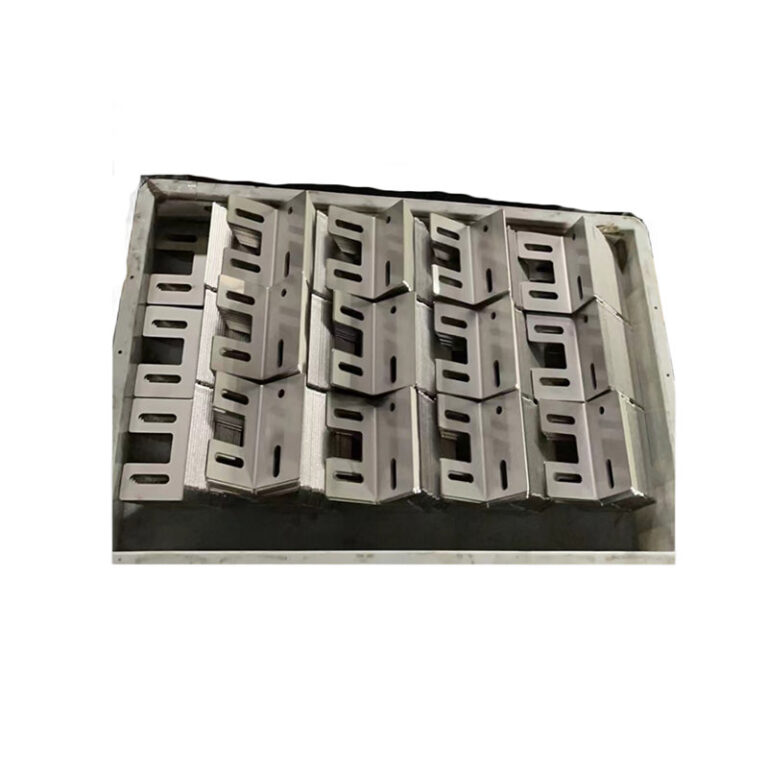
In today’s manufacturing world, precision and efficiency are more important than ever. Businesses across industries depend on high-quality components that meet exact specifications while remaining cost-effective. This is where metal fabrication plays a vital role.
From construction and automotive production to aerospace and industrial machinery, fabricated metal components form the backbone of countless products and systems. Modern fabrication methods combine advanced technology, skilled craftsmanship, and strict quality control to produce durable and reliable parts.
As a trusted manufacturing partner, Newtop Industry Group helps companies achieve exceptional results through advanced fabrication solutions tailored to diverse industrial requirements. Understanding the value of professional fabrication services can help businesses improve product quality, reduce costs, and accelerate production timelines.
What Is Metal Fabrication?
Metal fabrication is the process of transforming raw metal materials into finished products, structures, or components through various manufacturing techniques. These processes involve cutting, shaping, bending, assembling, and finishing metal materials according to specific design requirements.
Unlike simple manufacturing operations, fabrication often involves multiple production stages that work together to create complex and highly functional components.
Common materials used in fabrication include:
- Stainless steel
- Carbon steel
- Aluminum
- Copper
- Brass
- Titanium
- Specialty alloys
Each material offers unique advantages depending on the intended application, environmental conditions, and performance requirements.
Why Metal Fabrication Is Essential in Modern Manufacturing
Manufacturers today face increasing demands for quality, precision, and faster delivery times. Fabrication processes help meet these challenges by providing customized solutions that support innovation and efficiency.
Enhanced Product Quality
Precision fabrication techniques ensure consistent dimensions and superior product quality. Advanced equipment minimizes errors and produces components that meet strict engineering standards.
As a result, businesses experience:
- Better product reliability
- Reduced material waste
- Improved operational performance
- Greater customer satisfaction
Design Flexibility
One major advantage of fabrication is the ability to create customized parts for unique applications.
Engineers can develop components with:
- Complex geometries
- Tight tolerances
- Specialized features
- Custom finishes
This flexibility supports innovation and allows manufacturers to bring new products to market more efficiently.
Cost Efficiency
Modern fabrication technologies optimize material usage and reduce production inefficiencies.
Businesses benefit from:
- Lower manufacturing costs
- Reduced rework
- Faster production cycles
- Improved resource management
Consequently, companies can remain competitive while maintaining high-quality standards.
Key Processes Used in Metal Fabrication
The fabrication process includes several specialized operations that transform raw materials into finished products.
Cutting
Cutting is typically the first stage of fabrication. It involves separating metal into desired shapes and sizes.
Popular cutting methods include:
- Laser cutting
- Plasma cutting
- Waterjet cutting
- CNC machining
- Mechanical sawing
Laser cutting has become particularly popular because it provides exceptional precision and clean edges.
Bending and Forming
Once materials are cut, they often require shaping into specific configurations.
Bending processes may include:
- Press brake forming
- Roll bending
- Tube bending
- Stamping
These techniques create structural components that meet exact design specifications.
Welding and Assembly
Welding joins individual parts together to form complete structures or products.
Common welding methods include:
- MIG welding
- TIG welding
- Spot welding
- Arc welding
Proper welding ensures structural integrity and long-term durability.
Surface Finishing
Finishing processes improve appearance, corrosion resistance, and performance.
Examples include:
- Powder coating
- Polishing
- Sandblasting
- Anodizing
- Painting
A quality finish not only enhances aesthetics but also extends product lifespan.
Industries That Depend on Fabrication Services
Nearly every major industry relies on fabricated metal components.
Construction Industry
Construction projects require fabricated materials for:
- Structural frameworks
- Bridges
- Railings
- Roofing systems
- Architectural elements
Precision fabrication ensures safety and long-term structural performance.
Automotive Manufacturing
Automotive companies use fabricated components in:
- Chassis systems
- Engine parts
- Exhaust systems
- Body panels
- Safety structures
Advanced fabrication supports vehicle performance and manufacturing efficiency.
Aerospace Industry
Aerospace applications demand exceptional accuracy and reliability.
Fabricated components are used in:
- Aircraft structures
- Engine assemblies
- Landing gear systems
- Interior components
Strict quality standards are critical in this highly regulated industry.
Industrial Equipment
Heavy machinery and industrial systems require durable fabricated components capable of operating in demanding environments.
These components often include:
- Machine frames
- Equipment housings
- Support structures
- Custom assemblies
The Role of Technology in Modern Fabrication
Technology has transformed the fabrication industry significantly over the past decade.
Today, manufacturers use advanced systems that improve precision, productivity, and consistency.
CNC Automation
Computer Numerical Control (CNC) machines automate cutting, drilling, and shaping operations.
Benefits include:
- Increased accuracy
- Faster production
- Reduced human error
- Consistent quality
CAD and CAM Software
Computer-Aided Design (CAD) and Computer-Aided Manufacturing (CAM) software streamline the transition from design to production.
These technologies help manufacturers:
- Visualize projects before production
- Detect design issues early
- Improve workflow efficiency
- Reduce production delays
Robotics and Smart Manufacturing
Automation and robotics continue to reshape fabrication facilities worldwide.
Smart manufacturing systems offer:
- Real-time monitoring
- Predictive maintenance
- Enhanced productivity
- Improved workplace safety
As technology evolves, fabrication processes become even more efficient and reliable.
Choosing the Right Fabrication Partner
Selecting the right fabrication company can significantly impact project success.
When evaluating potential partners, consider the following factors:
Industry Experience
A manufacturer with extensive experience understands industry-specific requirements and quality expectations.
Production Capabilities
Look for facilities equipped with:
- Advanced machinery
- Modern software systems
- Skilled technicians
- Comprehensive quality control processes
Quality Assurance
Reliable fabrication providers maintain strict inspection procedures throughout production.
Quality certifications and documented processes demonstrate a commitment to excellence.
Customization Options
Every project has unique requirements. Therefore, choose a partner capable of delivering tailored solutions rather than one-size-fits-all services.
How Newtop Industry Group Supports Manufacturing Success
Newtop Industry Group provides comprehensive manufacturing solutions designed to meet the evolving needs of global industries.
The company combines engineering expertise, advanced equipment, and rigorous quality standards to deliver reliable fabrication services across a wide range of applications.
Customers choose Newtop Industry Group because of its commitment to:
- Precision manufacturing
- Consistent quality
- Competitive pricing
- Timely delivery
- Customized engineering solutions
By focusing on innovation and continuous improvement, the company helps businesses achieve better operational performance and long-term growth.
Future Trends in Metal Fabrication
The future of metal fabrication will be shaped by technological advancement, sustainability initiatives, and increased demand for customization.
Several trends are already influencing the industry:
- Greater automation adoption
- AI-assisted manufacturing processes
- Sustainable material usage
- Smart factory integration
- Improved energy efficiency
- Advanced quality monitoring systems
Companies that embrace these innovations will be better positioned to compete in a rapidly changing marketplace.
Conclusion
The importance of metal fabrication continues to grow as industries demand higher precision, greater efficiency, and improved product quality. From construction and automotive manufacturing to aerospace and industrial equipment, fabrication processes remain essential for producing reliable and durable components.
Modern technologies have elevated fabrication capabilities, allowing manufacturers to deliver customized solutions with exceptional accuracy and consistency. As industry requirements evolve, businesses must work with experienced partners capable of maintaining high standards while adapting to new challenges.
Newtop Industry Group stands ready to support manufacturers with advanced fabrication expertise, innovative production methods, and a commitment to quality. Whether you need complex components or large-scale production support, partnering with an experienced fabrication specialist can help drive long-term success and operational excellence.