
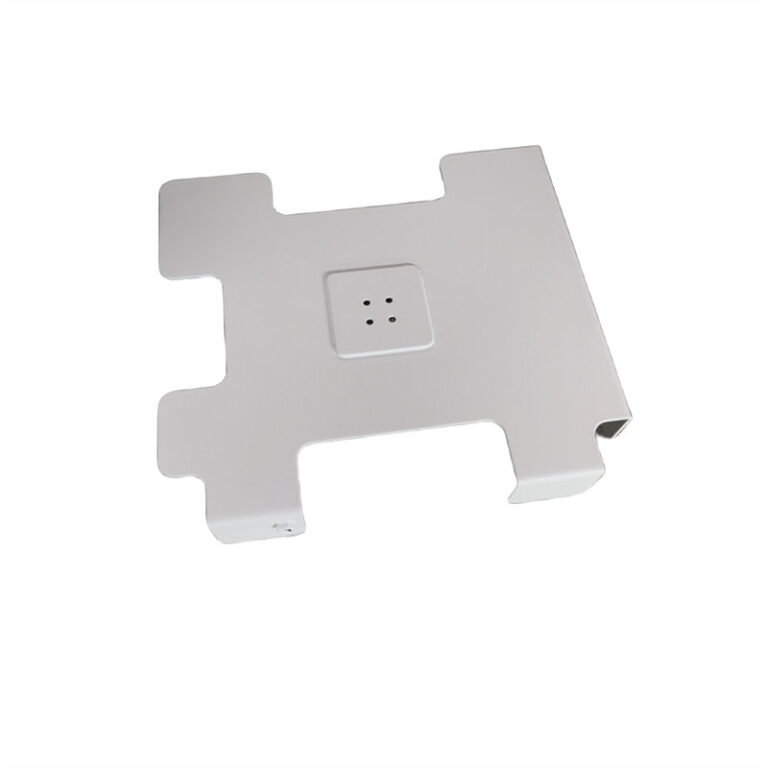
In today’s competitive industrial landscape, metal parts manufacturing plays a critical role in delivering reliable, durable, and high-performance components for countless applications. From automotive systems to aerospace equipment, precision-made metal parts help businesses maintain quality, efficiency, and safety standards.
As industries continue to evolve, manufacturers are seeking smarter production methods, tighter tolerances, and cost-effective solutions. This is where Newtop Industry Group stands out by providing advanced engineering expertise and modern manufacturing capabilities. With a strong focus on innovation and quality, the company supports businesses that require dependable metal components for complex projects.
This article explores the importance of metal parts manufacturing, the processes involved, key benefits, industry applications, and the latest trends shaping the future of production.
Understanding Metal Parts Manufacturing
Metal parts manufacturing refers to the process of transforming raw metal materials into finished components through various fabrication, machining, forming, and finishing techniques.
Manufacturers use different production methods depending on the desired specifications, material properties, and end-use requirements. The goal is to create parts that meet exact dimensions while maintaining strength, functionality, and durability.
Common materials include:
- Stainless steel
- Aluminum
- Carbon steel
- Copper
- Brass
- Titanium
- Alloy metals
Each material offers unique advantages, making it suitable for specific industrial applications.
Why Precision Matters in Modern Manufacturing
Precision is one of the most important factors in manufacturing metal components. Even a small dimensional error can affect performance, safety, and assembly efficiency.
Accurate production ensures:
- Better product performance
- Reduced material waste
- Consistent quality
- Improved assembly compatibility
- Longer product lifespan
Therefore, manufacturers invest in advanced equipment and quality control systems to achieve superior accuracy throughout the production process.
Newtop Industry Group emphasizes precision engineering to ensure every component meets customer specifications and industry standards.
Key Processes Used in Metal Parts Manufacturing
Modern manufacturing relies on multiple production techniques. Each process serves a specific purpose and contributes to the overall quality of the finished product.
CNC Machining
Computer Numerical Control (CNC) machining is one of the most widely used manufacturing methods.
Benefits include:
- High accuracy
- Excellent repeatability
- Fast production cycles
- Complex geometry capabilities
CNC technology is ideal for creating intricate parts with tight tolerances.
Sheet Metal Fabrication
This process involves cutting, bending, and assembling metal sheets into functional products.
Common applications include:
- Enclosures
- Panels
- Brackets
- Industrial housings
Sheet metal fabrication offers flexibility and cost-effective production for various industries.
Metal Stamping
Metal stamping uses specialized dies and presses to shape metal sheets into specific forms.
Advantages include:
- High-volume production
- Consistent quality
- Lower unit costs
- Faster manufacturing
This process is particularly useful for automotive and electronics industries.
Welding and Assembly
Welding joins metal components together to create durable structures and assemblies.
Popular welding methods include:
- TIG welding
- MIG welding
- Spot welding
- Laser welding
Proper welding techniques ensure structural integrity and long-term performance.
Surface Finishing
After fabrication, components often undergo finishing treatments to improve appearance and durability.
Examples include:
- Powder coating
- Anodizing
- Polishing
- Sandblasting
- Electroplating
These finishing methods enhance corrosion resistance and product longevity.
Benefits of Professional Metal Parts Manufacturing
Choosing an experienced manufacturing partner offers significant advantages.
Improved Product Quality
Professional manufacturers follow strict quality control procedures. As a result, customers receive parts that consistently meet specifications.
Cost Efficiency
Efficient production methods reduce waste and optimize material usage. Consequently, businesses can lower overall manufacturing costs.
Scalability
Manufacturers can handle both prototype development and large-scale production runs. This flexibility supports business growth and changing market demands.
Faster Production Times
Advanced machinery and streamlined workflows shorten lead times and improve project delivery schedules.
Enhanced Reliability
Reliable components contribute to better equipment performance and fewer operational disruptions.
For these reasons, many companies partner with Newtop Industry Group to achieve consistent manufacturing results.
Industries That Depend on Metal Parts Manufacturing
Metal components are essential across a wide range of industries.
Automotive Industry
Vehicle manufacturers require precision parts for:
- Engines
- Transmission systems
- Suspension components
- Braking systems
High-quality metal parts help improve safety and vehicle performance.
Aerospace Industry
Aerospace applications demand lightweight yet durable components.
Examples include:
- Structural assemblies
- Aircraft brackets
- Engine components
- Fasteners
Strict quality standards make precision manufacturing essential in this sector.
Medical Equipment
Medical devices often require highly accurate metal components for:
- Surgical instruments
- Diagnostic equipment
- Implantable devices
- Hospital machinery
Reliability and precision are critical for patient safety.
Electronics Industry
Electronic products depend on metal components for:
- Enclosures
- Connectors
- Heat sinks
- Structural supports
Manufacturers must achieve exact dimensions to ensure proper functionality.
Industrial Machinery
Heavy equipment relies on strong and durable metal parts to withstand demanding operating conditions.
These applications include:
- Manufacturing equipment
- Agricultural machinery
- Construction machinery
- Energy systems
The Role of Quality Control in Manufacturing Success
Quality control is a vital component of every successful manufacturing operation.
Manufacturers use inspection methods such as:
- Dimensional measurement
- Material testing
- Surface inspections
- Performance evaluations
- Automated quality verification
By implementing strict inspection procedures, companies can detect issues early and maintain consistent product standards.
Newtop Industry Group integrates quality assurance throughout the production cycle to ensure customer satisfaction and product reliability.
Emerging Trends in Metal Parts Manufacturing
Technology continues to transform manufacturing processes and capabilities.
Automation and Smart Factories
Automated systems improve productivity while reducing human error.
Benefits include:
- Faster production
- Better consistency
- Reduced downtime
- Improved efficiency
Advanced CNC Technology
Modern CNC machines offer higher precision, faster processing speeds, and greater flexibility for complex designs.
Sustainable Manufacturing
Environmental responsibility is becoming increasingly important.
Manufacturers are focusing on:
- Recycling materials
- Reducing energy consumption
- Minimizing waste
- Improving resource efficiency
Digital Engineering
Digital tools support:
- Design optimization
- Simulation testing
- Production planning
- Process monitoring
These technologies help manufacturers achieve better results while controlling costs.
Custom Manufacturing Solutions
Customers increasingly require specialized components tailored to unique applications.
As a result, manufacturers are expanding customization capabilities to meet evolving market needs.
How to Choose the Right Manufacturing Partner
Selecting the right supplier can significantly impact product quality and project success.
Consider the following factors:
Technical Expertise
Look for manufacturers with proven industry experience and advanced engineering capabilities.
Quality Standards
Ensure the company follows recognized quality management practices.
Production Capacity
A reliable partner should be able to scale production according to project requirements.
Communication and Support
Strong customer service improves collaboration and project efficiency.
Technology and Equipment
Modern manufacturing equipment contributes to better precision and faster turnaround times.
Newtop Industry Group combines these strengths to deliver dependable solutions for businesses worldwide.
Why Businesses Trust Newtop Industry Group
Manufacturing success depends on expertise, technology, and consistency.
Newtop Industry Group offers:
- Advanced production capabilities
- Precision engineering solutions
- Comprehensive quality control
- Custom manufacturing services
- Efficient project management
- Reliable delivery performance
By focusing on innovation and customer satisfaction, the company helps businesses achieve their production goals while maintaining high-quality standards.
Conclusion
As global industries continue to evolve, metal parts manufacturing remains a foundation of modern production. Precision, quality, and efficiency are more important than ever, and manufacturers must adapt to meet growing expectations.
From automotive and aerospace applications to medical equipment and industrial machinery, high-quality metal components drive performance and reliability across countless sectors. Furthermore, advancements in automation, digital engineering, and sustainable production are creating new opportunities for innovation and growth.
For businesses seeking dependable manufacturing solutions, Newtop Industry Group provides the expertise, technology, and commitment needed to support long-term success. Whether you require prototypes, custom components, or large-scale production, partnering with an experienced manufacturer can help you achieve better results and maintain a competitive advantage in today’s market.