
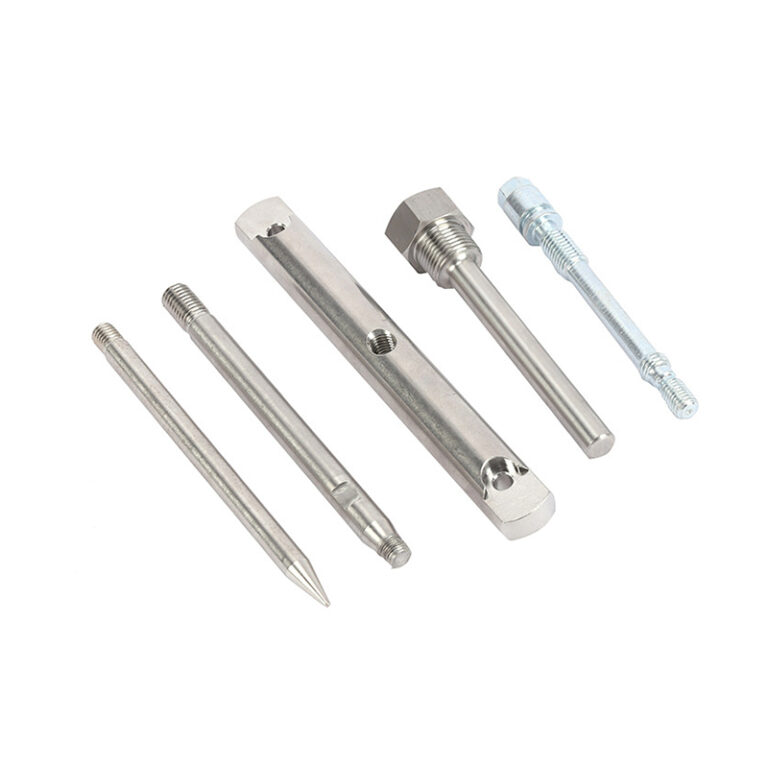
In today’s competitive manufacturing landscape, accuracy is more important than ever. Industries such as aerospace, automotive, medical devices, electronics, and industrial equipment depend on components that meet exact specifications. This is where precision machining plays a critical role.
Manufacturers need reliable processes that deliver consistent results while reducing waste and production costs. As technology continues to evolve, machining methods have become more advanced, allowing businesses to produce complex parts with exceptional accuracy.
Newtop Industry Group understands the growing demand for high-quality engineered components. By leveraging advanced manufacturing technologies and strict quality standards, the company helps businesses achieve superior performance and long-term reliability.
Understanding Precision Machining and Its Importance
Precision machining is a manufacturing process used to remove material from a workpiece to create highly accurate components. The process relies on advanced equipment, computer-controlled machinery, and skilled operators to achieve tight tolerances.
Unlike conventional machining methods, modern machining systems can create intricate shapes and detailed features with remarkable consistency.
Key characteristics include:
- High dimensional accuracy
- Tight tolerances
- Excellent surface finishes
- Repeatable production quality
- Reduced material waste
As a result, manufacturers can produce parts that fit perfectly and function reliably in demanding applications.
How Precision Machining Works
The machining process begins with a digital design created using CAD software. This design is then translated into machine instructions through CAM software.
The process typically involves:
- Designing the component
- Selecting suitable materials
- Programming CNC machines
- Machining the workpiece
- Inspecting dimensions and quality
- Performing finishing operations
Because every stage is carefully controlled, manufacturers can maintain exceptional consistency across production runs.
Common Precision Machining Processes
Different manufacturing requirements call for different machining techniques. Therefore, companies often use multiple processes to achieve the desired result.
CNC Milling
CNC milling uses rotating cutting tools to remove material from a workpiece. It is ideal for creating complex shapes, slots, holes, and contours.
Benefits include:
- High accuracy
- Versatility
- Fast production
- Excellent repeatability
CNC Turning
Turning involves rotating the workpiece while a cutting tool shapes it. This process is commonly used for cylindrical parts such as shafts, bushings, and fittings.
Advantages include:
- Efficient production
- Smooth surface finishes
- Cost-effective manufacturing
Drilling and Boring
These processes create or enlarge holes with exceptional accuracy. They are frequently used in automotive and industrial applications.
Grinding
Grinding provides extremely fine finishes and tight tolerances. Consequently, it is often used for critical components that require superior precision.
Industries That Depend on Precision Machining
Many sectors rely on precision machining to maintain product quality and safety standards.
Aerospace Industry
Aircraft components must withstand extreme temperatures, pressure, and stress. Even a minor dimensional error can affect performance.
Machined aerospace components include:
- Engine parts
- Structural components
- Landing gear systems
- Turbine assemblies
Medical Industry
Medical devices require exceptional accuracy to ensure patient safety and product reliability.
Examples include:
- Surgical instruments
- Orthopedic implants
- Diagnostic equipment parts
- Dental components
Automotive Manufacturing
The automotive industry depends heavily on accurately machined parts to improve vehicle performance and durability.
Common examples include:
- Engine components
- Transmission systems
- Brake assemblies
- Fuel injection parts
Electronics Industry
Electronic products continue to become smaller and more sophisticated. Therefore, manufacturers need highly precise components that meet strict specifications.
Benefits of Precision Machining
Modern manufacturing organizations choose precision machining because it offers numerous operational and financial advantages.
Superior Accuracy
One of the biggest benefits is the ability to achieve extremely tight tolerances. This ensures components function as intended and fit together correctly.
Consistent Quality
Computer-controlled machining systems produce identical parts throughout production runs. As a result, quality remains consistent from the first component to the last.
Reduced Waste
Accurate machining minimizes errors and material loss. Consequently, businesses can improve sustainability while lowering production costs.
Faster Production
Automation and advanced CNC technology streamline manufacturing processes. Therefore, companies can complete projects more efficiently and meet deadlines with confidence.
Flexibility
Manufacturers can produce both prototypes and large production volumes using the same advanced equipment.
Materials Used in Precision Machining
The success of a machining project often depends on selecting the right material.
Common materials include:
Metals
- Aluminum
- Stainless steel
- Carbon steel
- Brass
- Copper
- Titanium
Plastics
- PEEK
- Nylon
- PTFE
- ABS
- Polycarbonate
Specialty Materials
- Composite materials
- Engineering polymers
- High-temperature alloys
Each material offers unique characteristics that influence performance, durability, and manufacturing costs.
The Role of CNC Technology in Precision Machining
Computer Numerical Control (CNC) technology has transformed modern manufacturing.
Advanced CNC systems provide:
- Exceptional accuracy
- Automated production
- Faster cycle times
- Improved efficiency
- Reduced human error
Furthermore, modern CNC machines can perform multiple operations in a single setup, helping manufacturers improve productivity while maintaining strict quality standards.
Newtop Industry Group utilizes advanced CNC manufacturing capabilities to deliver reliable solutions for customers across various industries.
Quality Control in Precision Machining
Quality control is essential for ensuring product performance and compliance with industry standards.
Manufacturers use various inspection methods, including:
- Coordinate Measuring Machines (CMM)
- Digital calipers
- Laser measurement systems
- Surface roughness testing
- Visual inspections
These procedures help verify that every component meets exact specifications before shipment.
Because quality assurance is integrated throughout the manufacturing process, customers receive dependable products that perform consistently.
Choosing the Right Precision Machining Partner
Selecting the right manufacturing partner can significantly impact project success.
When evaluating suppliers, consider:
- Industry experience
- Manufacturing capabilities
- Quality certifications
- Material expertise
- Production capacity
- Technical support
Additionally, businesses should look for suppliers that prioritize communication and continuous improvement.
Newtop Industry Group focuses on delivering dependable machining solutions while maintaining high standards for quality, efficiency, and customer satisfaction.
Future Trends in Precision Machining
Manufacturing technology continues to advance rapidly.
Several trends are shaping the future of the industry:
- Smart manufacturing systems
- Artificial intelligence integration
- Advanced automation
- Real-time production monitoring
- Digital quality control
- Sustainable manufacturing practices
As these technologies become more widespread, manufacturers will gain even greater efficiency and precision.
Organizations that embrace innovation will be better positioned to compete in an increasingly demanding global market.
Conclusion
The demand for high-performance components continues to grow across industries. As a result, precision machining remains one of the most important manufacturing processes for producing reliable, accurate, and cost-effective parts.
From aerospace and medical equipment to automotive and electronics applications, the benefits of precision machining are clear. Improved accuracy, consistent quality, reduced waste, and greater efficiency help manufacturers meet modern production challenges with confidence.
Newtop Industry Group combines advanced manufacturing expertise, modern technology, and rigorous quality control to support businesses seeking dependable machining solutions. Whether you require prototypes or large-scale production, partnering with an experienced manufacturer can help you achieve your goals while maintaining the highest standards of quality and performance.